
The Worst Fitness Injuries, And What To Do About Them
Dealing with most fitness injuries, like a simple muscle pull, is usually straightforward. A little rest and some ice often do the trick. But some of the worst fitness injuries are far more serious and can sideline you for months.
If you face a significant setback, always remember that the injury is temporary. As a certified strength and conditioning coach who has worked with countless athletes, I’ve seen how overcoming a major physical challenge, like a broken foot or a torn ligament, builds incredible mental resilience.
This guide will walk you through the most severe fitness injuries, how to handle them, and, most importantly, how to prevent them in the first place.
Disclaimer: This article is for informational purposes only and is not meant to treat or diagnose any condition. It is recommended that you speak with your doctor before starting any exercise program, changing your daily nutrition, or adding any supplements to your regimen.
Table of contents
Key Takeaways
- Fitness injuries are incredibly common, with millions of Americans seeking treatment for sports and recreation-related injuries each year.
- Prevention is key. Proper warm-ups, correct exercise form, gradual progression, and adequate rest are your best defenses against getting hurt.
- Serious injuries like foot fractures, ACL tears, and herniated discs require immediate medical attention from specialists like orthopedic surgeons or physical therapists.
- Recovery is a process. Following a structured rehabilitation plan is critical for returning to your activities safely and preventing re-injury.
How Common Are Fitness Injuries?
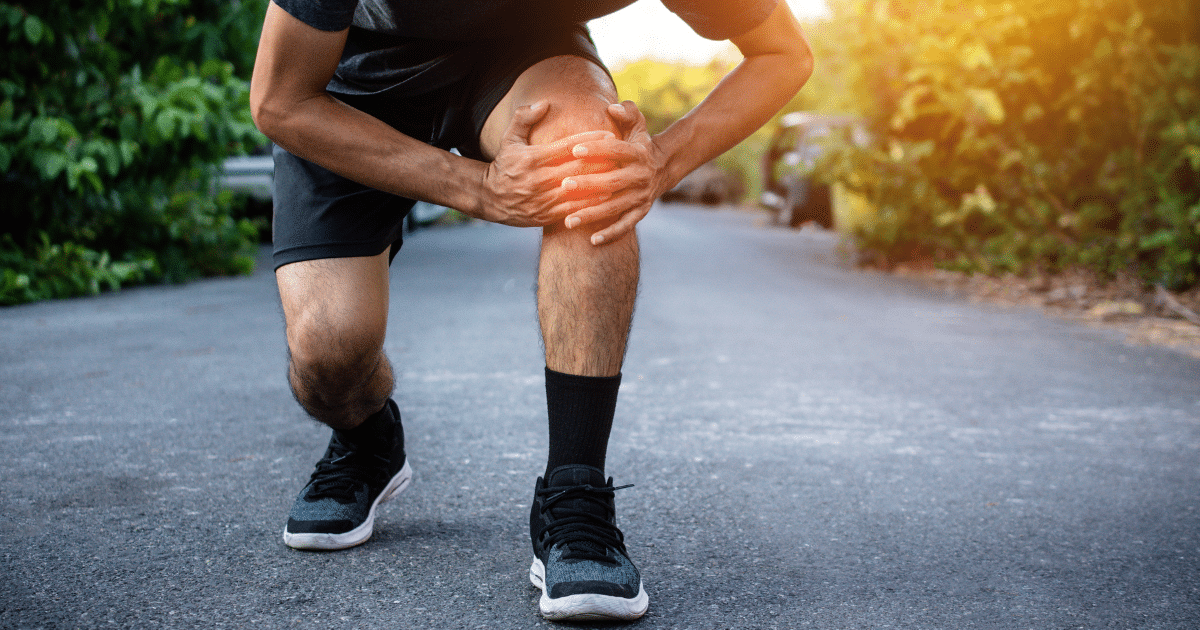
Fitness injuries are extremely common. Any time you engage in physical activity, especially at a high intensity, you accept some level of risk. The numbers show just how widespread these issues are.
According to data from the National Safety Council, exercise, with or without equipment, accounted for approximately 409,000 injuries in 2023, making it one of the leading categories of sports and recreation injuries. Millions of Americans are treated in emergency departments for these types of injuries annually.
Several factors influence your personal risk.
- Activity Type: High-impact activities carry a higher risk. Sports like basketball and football, which involve jumping and cutting, are notorious for knee and ankle injuries.
- Experience Level: If you are new to exercise or returning after a long break, your body isn’t conditioned for the stress. This makes you more susceptible to strains and sprains.
- Overtraining: Pushing your body too hard without enough rest is a recipe for overuse injuries. A 2022 study highlighted that overuse is a primary factor in up to 10% of all sports injuries.
- Technique: Improper form is one of the fastest ways to get hurt. Learning the correct mechanics for lifts and movements is non-negotiable for long-term health.
How to Avoid Fitness Injuries
Preventing fitness injuries comes down to smart preparation, solid technique, and a commitment to recovery. Here are the most effective strategies I recommend to my clients.
Warm-Up and Use Proper Technique
You should always start your workout with a dynamic warm-up. This involves light cardio and movements that mimic the exercises you’re about to perform, like leg swings or arm circles. This prepares your muscles and joints for the work ahead.
Your form is everything. If you are unsure about an exercise, invest in a session with a qualified Certified Personal Trainer (CPT). They can correct your form and significantly reduce your risk of injury. Focusing on controlled movements instead of using momentum is crucial.
Progress Gradually and Add Variety
Avoid the mistake of doing too much, too soon. You should gradually increase the intensity, duration, or frequency of your workouts. This allows your body time to adapt and get stronger.
Incorporating variety through cross-training is also a great strategy. If you’re a runner, for example, add swimming or cycling to your routine. This helps balance muscle development and prevents the overuse injuries that come from repetitive motion.
Use the Right Gear and Listen to Your Body
Your equipment matters. This is especially true for footwear. Most experts recommend replacing running shoes every 300 to 500 miles to ensure they still provide adequate support.
Finally, you need to learn the difference between muscle soreness (DOMS) and pain that signals an injury. Sharp, stabbing, or persistent pain is a sign to stop what you’re doing. Pushing through this kind of pain is how minor issues become major fitness injuries.
What Are Some of the Worst Fitness Injuries?
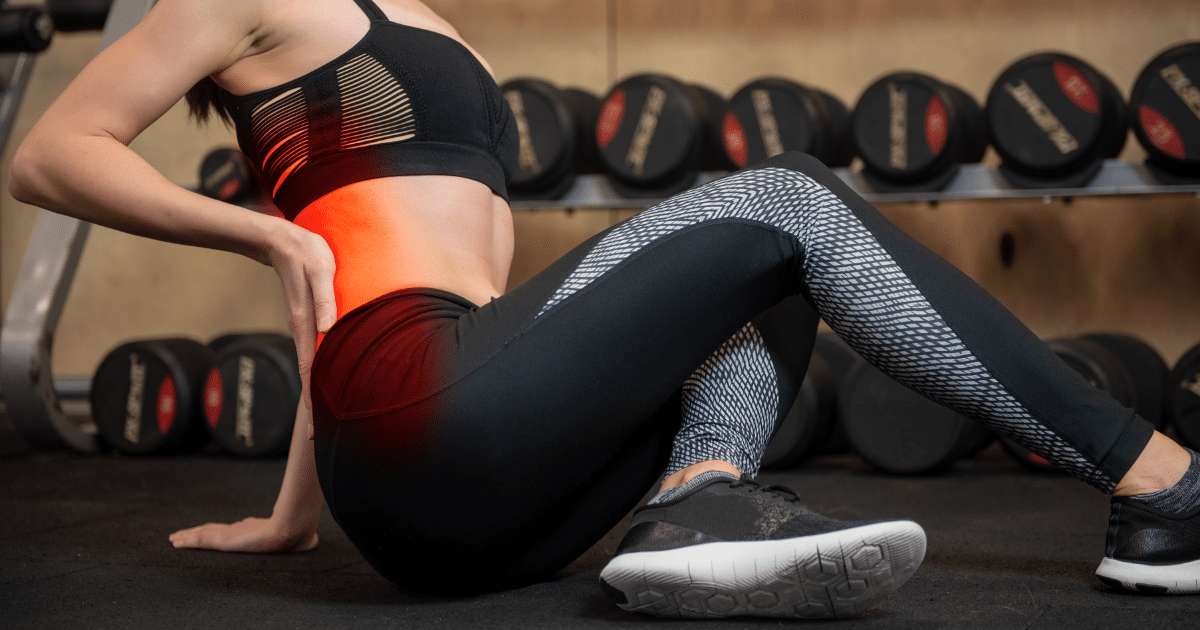
Below are some of the worst fitness injuries many people experience along with what you can do about them if they happen.
1. Broken Foot
While hairline stress fractures are common for runners from overuse, a full bone fracture is a different beast. These traumatic fitness injuries are more rare for young, healthy people unless they participate in contact sports. The foot contains twenty-six different bones, many of which are small and delicate.
If you have weaker bones due to genetics or a condition like osteoporosis, even one bad step can be enough to cause a fracture. A common one for athletes is a break in the fifth metatarsal, known as a Jones fracture, which can be difficult to heal due to a limited blood supply.
An orthopedic surgeon will determine the best course of action, which may involve surgery. Recovery typically takes 6 to 8 weeks, and you will be told how long to stay off your feet. There is a wide range of footwear for broken foot needs. Early on, a large, heavy boot is used to completely immobilize the foot. Later, you may switch to a smaller boot that provides support while allowing for limited mobility.
2. ACL Tear
Anterior Cruciate Ligament (ACL) tears are one of the most dreaded fitness injuries. They are most common in sports like basketball, football, and soccer that require sudden stops and changes in direction. These injuries are far more common in women; some studies suggest female athletes are up to eight times more likely to suffer an ACL tear than their male counterparts.

You will definitely know if this key knee ligament tears. Most people report a distinct “popping” sound, followed by intense pain and the inability to put any weight on the knee. The knee ligaments are put under immense stress during athletic movements.
While some minor tears can heal with physical rehabilitation alone, most complete tears require surgery. An ACL reconstruction involves using a tendon from another part of your body (like the patellar or hamstring tendon) to create a new ligament. Full recovery is a long road, often taking 9 to 12 months of dedicated rehab to return to sport.
3. Back Injury
For many people, running and exercise are great for managing minor back issues. But for those with pre-existing conditions, the repetitive impact of running can increase the potential for a serious back injury. A herniated disc is one of the worst-case scenarios.
The discs in your spine act as shock absorbers. When a disc herniates, the soft, jelly-like center pushes out through a tear in the tougher exterior. This can press on spinal nerves, causing intense pain. If you experience pain that radiates from your back down into your leg (a condition called sciatica), see a doctor immediately to prevent further damage.
To prevent these fitness injuries, focus on strengthening your core. Exercises like planks and bird-dogs build stability around your spine. Also consider wearing a lightweight back brace while running to reduce some of the jarring motion.
FAQs About Fitness Injuries
What is the difference between a sprain and a strain?
This is a common point of confusion. A sprain is the stretching or tearing of ligaments, which are the tough bands of tissue that connect two bones together in your joints. An ankle sprain is a perfect example.
A strain is the stretching or tearing of a muscle or a tendon, which is the tissue that connects muscle to bone. A strained hamstring is a classic example.
Should I use ice or heat for an injury?
For the first 48 to 72 hours after an acute injury, you should use ice. The go-to protocol is R.I.C.E., which stands for Rest, Ice, Compression, and Elevation. Ice helps reduce swelling and numb the pain.
Heat is generally used for chronic muscle soreness or stiffness. Applying heat can increase blood flow and help relax tight muscles, but it should not be used on a new injury where swelling is present.
When should I see a doctor for a fitness injury?
You should see a healthcare professional, such as an orthopedic doctor or a physical therapist, if you experience any of the following:
- You heard a “pop” or “snap” at the time of injury.
- You are unable to bear weight on the affected limb.
- You have severe pain, swelling, or numbness.
- The pain does not improve after a few days of home care.


*Disclosure: This article may contain affiliate links or ads, which means we earn a small commission at no extra cost to you if you make a purchase through these links. These commissions help support the operation and maintenance of our website, allowing us to continue producing free valuable content. Your support is genuinely appreciated, whether you choose to use our links or not. Thank you for being a part of our community and enjoying our content.
PLEASE CONSIDER SHARING THIS ON YOUR SOCIAL MEDIA TO HELP OTHERS LEARN MORE ABOUT THIS TOPIC.