
Urolithin A Supplement: The Science of Urolithin & Muscle Health
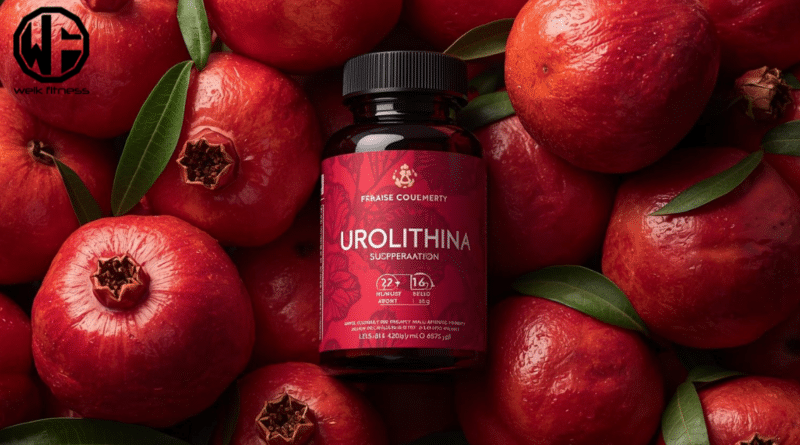
Here’s something many people figure out the hard way: eating more pomegranates and berries doesn’t always translate to better muscle performance. The reason comes down to a compound called urolithin A, and understanding how it works could genuinely change your approach to muscle health.
Your gut bacteria produce urolithin A when they break down polyphenols from certain foods. But how much you actually produce depends on your unique gut microbiome, which means results from food sources alone can vary significantly from person to person.
That’s where urolithin A supplementation enters the picture, and the overall benefits of UA supplementation are pretty impressive.
In this guide, we’re going to break down the science behind urolithin and muscle health, cover how your body metabolizes this compound, and walk through what the clinical research actually shows. You’ll also get practical guidance on dosage and selecting a quality urolithin A supplement, so you can make an informed choice.
Disclaimer: This article is for informational purposes only and is not meant to treat or diagnose any condition. It is recommended that you speak with your doctor before starting any exercise program, changing your daily nutrition, or adding any supplements to your regimen.
Table of contents
- What is Urolithin A?
- Natural Dietary Sources of Urolithin A
- How Is Urolithin A in Humans Metabolized?
- What Are the Functions and Cellular Effects of UA in the Body?
- How Does Urolithin A Benefit Muscle Health?
- Pharmacological Benefits of Urolithin A
- How Does Urolithin A Enhance Muscle Performance?
- Urolithin A and Muscle Signaling Pathways
- What Does Research Say About Urolithin A?
- Potential of Urolithin A in Exercise Science
- How to Select a Urolithin A Supplement
- What Are the Research Gaps and Future Directions for Urolithin A?
- Conclusion
- FAQs
Key Takeaways
- Urolithin A is a natural metabolite your gut bacteria create from polyphenols in pomegranates, walnuts, and berries that activate mitophagy and enhance muscle health.
- Clinical trials show urolithin A supplementation increased muscle strength by 12% and improved aerobic endurance in participants aged 40 to 64 years.
- Urolithin A activates the AMPK and PGC-1 pathways to promote mitochondrial biogenesis, energy production, and muscle protein synthesis for better performance.
- Recommended dosages range from 500 to 1,000 mg daily, with consistent use over four months needed to achieve measurable muscle strength improvements.
- Research confirms urolithin A is safe and well-tolerated, with minimal adverse events, making it an effective dietary supplement for age-related muscle decline.
What is Urolithin A?
Urolithin A is a natural metabolite that your gut microbiota creates when you eat polyphenolic compounds, particularly ellagitannins found in fruits like pomegranates and strawberries.
Your body does not make this compound on its own. Instead, your gut bacteria transform these plant compounds into urolithin A through a metabolic process. This naturally occurring compound then gets absorbed in your intestines and enters your circulatory system, where your cells can put it to use.
What makes this interesting is that the transformation process isn’t equal for everyone. How much urolithin A you produce depends on the unique composition of your gut microbiota and your overall health status.
Urolithin A stands out because it exhibits anti-inflammatory, antioxidant, anti-tumor, and anti-aging benefits that support your cellular health. This metabolite works by activating multiple metabolic pathways, including AMPK signaling, which plays a key role in energy production and mitochondrial activity.
Your muscle cells benefit significantly from urolithin A because it enhances mitochondrial function and regulates autophagy, a cellular cleanup process that removes damaged components.
Many health and fitness enthusiasts turn to urolithin A supplements to boost muscle strength and improve muscle performance, especially since dietary sources alone may not provide optimal amounts for noticeable effects on muscle tissue and healthy aging.
Natural Dietary Sources of Urolithin A
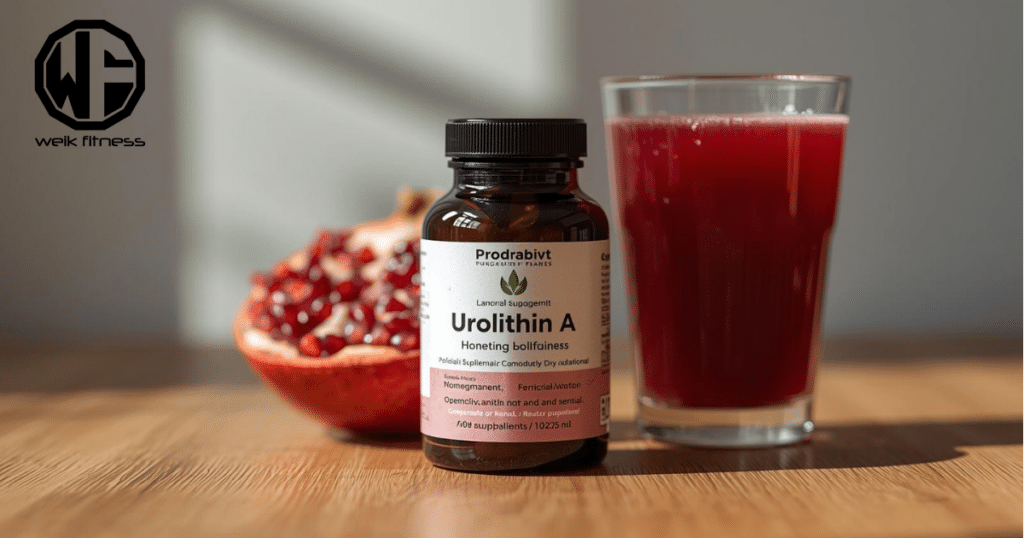
You find the building blocks for urolithin A in foods you eat regularly. Pomegranate juice, walnuts, strawberries, and raspberries all deliver ellagitannins and ellagic acid, the raw materials your gut microbiota transforms into urolithin A through a fascinating metabolic process.
Which Fruits Provide Urolithin A?
Your body needs ellagic acid-derived metabolites to support muscle health and mitochondrial function. These fruits deliver the polyphenols that your gut converts into urolithin A:
- Pomegranates stand out as the richest dietary source of urolithin A precursors. Their peels and seeds contain abundant ellagitannins, which your microbiota transforms into this beneficial metabolite for muscle performance.
- Strawberries provide substantial ellagitannins and ellagic acid that support mitochondrial biogenesis. These berries deliver polyphenols your digestive system metabolizes into urolithin compounds for improved mitochondrial health.
- Blueberries offer concentrated antioxidant content that contributes to your urolithin intake. Their polyphenol profile helps activate mitophagy and enhance cellular energy production in your skeletal muscle.
- Raspberries contain ellagitannins that your gut microbiota converts into urolithin metabolites. These berries support your anti-inflammatory response and mitochondrial function through natural urolithin production.
- Blackberries deliver polyphenols that your body processes into urolithin A for muscle endurance. Their ellagic acid content promotes mitochondrial biogenesis and supports your exercise performance.
- Walnuts pair excellently with these fruits to maximize your urolithin A intake. Combined consumption enhances bioavailability and supports healthy adults’ muscle function through enhanced urolithin metabolism.
How Do Walnuts Contribute to Urolithin A Intake?
Walnuts provide a powerful boost to urolithin A intake through their rich content of ellagitannins. Once you eat walnuts, these ellagitannins travel to your digestive system, where your gut microbiota gets to work.
Your beneficial gut bacteria break down the ellagitannins and transform them into urolithin A, a potent metabolite your body can put to use. Walnuts rank among the richest natural sources of urolithin A precursors, placing them right alongside pomegranates as nutritional powerhouses.
The ellagitannins from walnuts work as natural precursors, triggering mitophagy activation and supporting mitochondrial biogenesis through your gut’s microbial ecosystem. A handful of walnuts daily can improve your body’s capacity to manage age-related muscle decline and support mitochondrial function naturally.
The biological effects of urolithin A produced from walnut consumption extend to fatty acid oxidation and muscle protein synthesis, giving you real benefits for endurance capacity and muscle strength. That said, the amount you produce still depends on your personal gut microbiome health.
What Berries Are Rich in Urolithin A?
Choosing the right berries gives your gut the raw materials it needs for urolithin A production. These options pack the highest ellagitannin content:
- Pomegranates deliver high levels of ellagitannins, which your gut bacteria convert into urolithin A for mitophagy activation and cellular repair.
- Strawberries pack substantial ellagitannins from strawberries that support your body’s natural urolithin A production and enhance mitochondrial biogenesis.
- Raspberries contain ellagic acid compounds that your microbiota transforms into urolithin metabotypes, improving your mitochondrial function during workouts.
- Blackberries offer polyphenol-rich profiles that contribute to urolithin A synthesis, helping you maintain muscle mass as you age.
- Blueberries provide antioxidant compounds that support urolithin A metabolism and improve immune cell function through better mitochondrial health.
- Cranberries contain ellagitannins that your gut microbiota metabolizes into urolithin B and urolithin A, supporting your immune response and age-related immune decline prevention.
How Is Urolithin A in Humans Metabolized?
Your gut microbiota transforms ellagic acid from foods into urolithin A through a complex metabolic process. Your individual microbial composition directly affects how much of this microbial metabolite your body absorbs and uses for muscle health benefits.
What Role Does Gut Microbiota Play in Urolithin A Metabolism?
Your gut bacteria control whether you actually get urolithin A from the foods you eat. The composition and activity of your intestinal microbiota play a pivotal role in urolithin A metabolism and absorption.
Specific microbial groups like Proteobacteria, Clostridium, Bifidobacterium, Eubacterium, and Enterococcus faecium work together to transform ellagitannins from fruits and nuts into urolithin A. Bacteria such as Gordonibacter and Enterococcus faecium can produce urolithin A directly from ellagic acid found in pomegranates and berries.
Not everyone produces the same amount of urolithin A from identical foods because variations in gut microbiota lead to real differences in production and bioavailability.
According to 2026 clinical data cited by NOVOS and Jinfiniti, only about 40% of people naturally possess the specific gut microbiome needed to convert foods into urolithin A. This means that if you rely on diet alone, there’s a good chance you’re getting very little of this compound, regardless of how many pomegranates or walnuts you eat.
The interaction between urolithin A and your unique microbial ecosystem determines how much of this compound reaches your muscles. Host health status influences which bacteria thrive in your digestive tract and how efficiently they metabolize ellagitannins.
People with diverse, healthy gut bacteria tend to produce more urolithin A from natural sources. Research shows that taking urolithin A supplements like MitoPure softgels can bypass some of these microbial barriers and deliver the compound directly to your system.
Factors that affect urolithin A absorption and bioavailability include your diet quality, antibiotic use, stress levels, and sleep patterns. Middle-aged adults with compromised microbiota may benefit more from direct supplementation rather than relying solely on food sources.
What Factors Affect Urolithin A Absorption and Bioavailability?
Your gut bacteria play a major role in how well urolithin A absorbs into your bloodstream. Different people have different microbial compositions, which means the same dose of a urolithin A supplement won’t work identically for everyone.
Intestinal microbial composition directly shapes whether your body can convert ellagic acid from foods into active urolithin A. Metabolic phenotypes vary among individuals, so absorption and bioavailability differ significantly from person to person.
- Genetic factors influence how efficiently your metabolic enzymes process urolithin A.
- Health status matters; intestinal permeability and other physiological conditions affect how well urolithin A enters your bloodstream.
- Competing food components can reduce how much urolithin A your body actually uses during digestion.
- Dietary habits shape your microbial environment, directly influencing the effect of UA on your system.
Direct supplementation with UA results in higher plasma levels compared to getting it from ellagic acid-rich foods like berries and walnuts. Taking a urolithin A supplement bypasses some of the absorption barriers that whole foods face.
Understanding these individual factors helps you select the right dose and product format for maximum bioavailability and mitochondrial benefits.
What Are the Functions and Cellular Effects of UA in the Body?
Urolithin A exerts its effects through powerful cellular mechanisms that activate mitophagy, enhance your mitochondrial health, and trigger beneficial changes throughout your body. Here’s how this compound transforms your cells from the inside out.
How Does Urolithin A Promote Mitophagy Activation?
Your cells face a constant battle against damage. Mitochondria, the powerhouses inside your cells, accumulate wear and tear over time. This is where mitophagy activation becomes critical for your health.
Urolithin A triggers a cleanup process called mitophagy, which removes damaged mitochondria before they harm your muscle tissue. The PINK1/Parkin signaling pathway plays a key role in this process. It acts like a quality control system in your cells, telling your body to eliminate dysfunctional mitochondria.
Damaged mitochondria produce harmful free radicals that weaken muscle performance. Removing them protects your strength and endurance capacity. Clinical trials have shown that urolithin A activates mitochondrial autophagy more effectively than many other compounds.
Your muscle health also depends on the Nrf2-ARE signaling pathway. Urolithin A enhances mitochondrial health by upregulating glutathione S-transferases, or GSTs, through this pathway. This strengthens your cells’ natural defense against oxidative stress.
Urolithin A ameliorates age-related muscle decline by keeping your mitochondria functioning at their best. The evidence so far indicates that regular urolithin A supplementation maintains muscle mass better than placebo in clinical studies.
How Does Urolithin A Enhance Mitochondrial Health?
Urolithin A works directly inside your cells to protect mitochondria from oxidative stress-induced damage. Your mitochondria generate ATP, the energy your muscles need to contract and perform during workouts.
Urolithin A enhances mitochondrial function by activating gene expression related to PGC-1, a master regulator of cellular energy production. This activation prompts your body to build more efficient mitochondria and repair damaged ones through mitophagy.
Research shows that urolithin A supplementation resulted in significant increases in proteins associated with mitophagy and mitochondrial metabolism in skeletal muscle. Your muscles receive more reliable energy for intense training sessions and recovery as a result.
Biochemical analysis from clinical studies has indicated that urolithin A supplementation lowers plasma acylcarnitines and C-reactive proteins. This signals enhanced mitochondrial efficiency and reduced inflammation throughout your body.
This dual action protects your cellular energy factories while simultaneously reducing the inflammatory stress that damages muscle tissue. The improved mitochondrial health translates into better endurance capacity, faster muscle recovery, and sustained performance gains over time.
How Does Urolithin A Benefit Muscle Health?
Urolithin A works to strengthen your muscles and boost your endurance through cellular mechanisms that repair and rebuild muscle tissue. It activates mitophagy, enhances mitochondrial function, and supports muscle protein synthesis to keep your body performing at its peak.
Can Urolithin A Boost Muscle Strength?
Your muscles need strong mitochondria to perform at their best. A randomized clinical trial proved this with real numbers: participants aged 40 to 64 years who took urolithin A supplements experienced a 12% increase in muscle strength over the study period.
The research included 88 adults dealing with age-associated muscle decline. Results showed meaningful improvements in hamstring muscle strength at a 1,000 mg dosage. The compound activates mitophagy, which removes damaged mitochondria from your muscle cells and replaces them with healthy ones.
The benefits extend beyond raw strength gains. The same trial showed significant improvements in aerobic endurance and physical performance, measured through peak oxygen consumption and a 6-minute walk test.
Urolithin A also reduces inflammation by lowering C-reactive protein and acylcarnitine levels, which means your muscles recover faster and work harder during exercise. Your body’s muscle protein synthesis improves, too, allowing your muscles to build and repair more effectively.
The science shows that urolithin A targets mitochondrial biogenesis, supporting your muscles’ energy production systems at the cellular level. Stronger cells mean more achievable fitness goals.
How Does Urolithin A Increase Muscle Endurance?
Your muscles rely on mitochondria to produce energy during exercise. Urolithin A works directly with these cellular powerhouses to boost your endurance capacity.
This compound improves mitochondrial function by activating mitophagy, a process that removes damaged mitochondria and replaces them with fresh, efficient ones. Enhanced mitochondrial health means your muscles receive a steady energy supply during workouts.
Research shows that urolithin A in sports performance demonstrates improved endurance and anti-fatigue capacity through better muscle contraction speed and exercise efficiency. Your body burns fuel more effectively when mitochondria operate at peak performance, allowing you to push harder for longer periods.
Continuous supplementation may significantly enhance your endurance and anti-fatigue capacity over time.
The compound regulates muscle cell energy metabolism, which directly increases the efficiency and force output of muscle contractions. Your muscles experience delayed fatigue because improved mitochondrial biogenesis provides consistent ATP production throughout intense training sessions.
Human studies examining urolithin A in healthy adults reveal that this metabolite improves endurance by strengthening the connection between mitochondrial health and muscle function.
Urolithin A in humans has shown that your training sessions can become more productive as your muscles maintain power output longer (sometimes even in as little as a single dose, providing beneficial effects of UA).
Pharmacological Benefits of Urolithin A
Urolithin A provides powerful antioxidant effects, anti-inflammatory benefits, and influences on cell cycle and apoptosis that protect your cells from damage. Here’s how this compound transforms your body at the cellular level.
What Are the Antioxidant Effects of Urolithin A?
Your body faces constant attacks from free radicals every day. These harmful molecules damage your cells, harm your muscles, and speed up aging. Urolithin A fights back by scavenging free radicals and neutralizing them before they cause real damage.
This compound activates the Nrf2 antioxidant pathway, which is like turning on your body’s defense system. Your cells then produce protective enzymes such as glutathione peroxidase and superoxide dismutase. These enzymes reduce oxidative stress by blocking reactive oxygen species generation.
Research shows that urolithin A provides significant antioxidant activity that goes beyond simple free radical removal. This polyphenol metabolite inhibits enzymes involved in reactive oxygen species production, which means your mitochondria stay healthier and stronger.
Studies on urolithin A-induced mitophagy reveal how this compound cleans out damaged mitochondria and replaces them with fresh ones. Your muscle cells benefit because healthy mitochondria generate more energy for workouts and recovery.
The antioxidant effects work in the background, protecting your tissues from the stress of intense exercise and daily life.
How Does Urolithin A Provide Anti-Inflammatory Benefits?
Urolithin A fights inflammation through multiple pathways in your body. This compound inhibits the release of inflammatory mediators that trigger pain and swelling. Research shows that UA reduces oxidative stress, which is closely linked to inflammation, thereby mitigating inflammatory responses at the cellular level.
UA suppresses inflammatory signaling pathways, stopping your immune system from overreacting to normal stressors. The supplement also activates mitochondrial autophagy, which aids in cellular health and reduces inflammation from within.
Your cells benefit further because UA modulates metabolic pathways, including the AMPK signaling pathway, which influences inflammation throughout your body. This compound also stimulates the expression of glutathione S-transferases, enhancing detoxification and antioxidant defense via the Nrf2-ARE signaling pathway.
The anti-inflammatory effects make UA particularly valuable for aging and age-related diseases, where chronic inflammation accelerates muscle decline and tissue damage. Many fitness enthusiasts report feeling less sore and recovering faster after intense workouts when taking urolithin A supplements.
How Does Urolithin A Influence Cell Cycle and Apoptosis?
Urolithin A works directly on cancer cells by stopping their growth at a critical stage. This compound inhibits cyclin-dependent kinases, or CDKs, which are proteins that control cell division.
Urolithin A also reduces cyclin D1 expression, a key driver that pushes cells forward through their growth cycle. The compound increases levels of inhibitory proteins, specifically p21 and p27, which act like brakes on cell division.
These mechanisms cause cell cycle arrest in the G1 phase, meaning cancer cells cannot multiply as quickly or effectively.
Beyond stopping cell division, urolithin A triggers apoptosis, which is programmed cell death. This supplement enhances the Bax/Bcl-2 ratio, a balance that determines whether cells live or die. When this ratio shifts in favor of Bax, cells lose their mitochondrial membrane potential and cannot survive.
Urolithin A activates the JNK and p38 MAPK signaling pathways, which further promote apoptosis in colorectal cancer cells and prostate cancer cells. Caspase cascades activate as a result, leading to cell death from the inside out.
Recent studies show that this form of urolithin demonstrates real potential in managing cellular health at the molecular level.
How Does Urolithin A Enhance Muscle Performance?
Urolithin A enhances your muscle performance by activating mitophagy, which removes damaged mitochondria and lets your cells build stronger, healthier ones. This process directly boosts your endurance capacity and helps you maintain muscle mass during intense training or as you age.
Can Urolithin A Boost Endurance Capacity?
Your muscles need energy to perform at their best, and that’s where urolithin A steps in. Research shows that continuous supplementation of UA may improve endurance and anti-fatigue capacity in your body.
This compound works by increasing energy supply to muscle cells, meaning your muscles get the fuel they need to work harder and longer. Vivo studies have shown that UA enhances muscle endurance and performance through better energy metabolism, allowing you to push through tough workouts without hitting the wall as quickly.
The real work happens at the mitochondrial level. UA’s benefits include improving muscle endurance and strength while facilitating rapid muscle recovery after intense exercise. When UA supports mitochondrial health through improved mitophagy activation, your muscles gain access to cleaner, more efficient energy production.
This translates to better performance during cardio sessions, strength training, or any endurance activity you tackle. The identification of urolithin as a key player in muscle energy metabolism has opened new doors for athletes and fitness enthusiasts looking to maximize their training results.
How Does Urolithin A Help Maintain Muscle Mass?
Urolithin A works hard to keep your muscles strong and full. This compound increases the cross-sectional area of muscle fibers, which means your muscle cells grow larger and pack more protein inside.
Your muscle protein content rises as urolithin A activates key pathways that tell your body to build more muscle tissue. The supplement also regulates protein synthesis and degradation processes, pushing synthesis rates up while holding degradation down.
This balance helps you maintain muscle mass even as you age or face muscle-wasting challenges.
One major way urolithin A protects your muscles involves stopping protein breakdown. It attenuates muscle protein degradation by inhibiting the ubiquitin-proteasome system, which is the machinery your body uses to tear down muscle tissue.
Research shows that urolithin A suppresses the expression of Atrogin-1 and MURF1, two proteins that signal muscle breakdown to occur.
Your mitochondrial function improves as urolithin A enhances mitochondrial health, giving your muscle cells more energy to maintain their size and strength. These mechanisms work together, helping you preserve muscle mass and reduce muscle wasting over time.
Urolithin A and Muscle Signaling Pathways
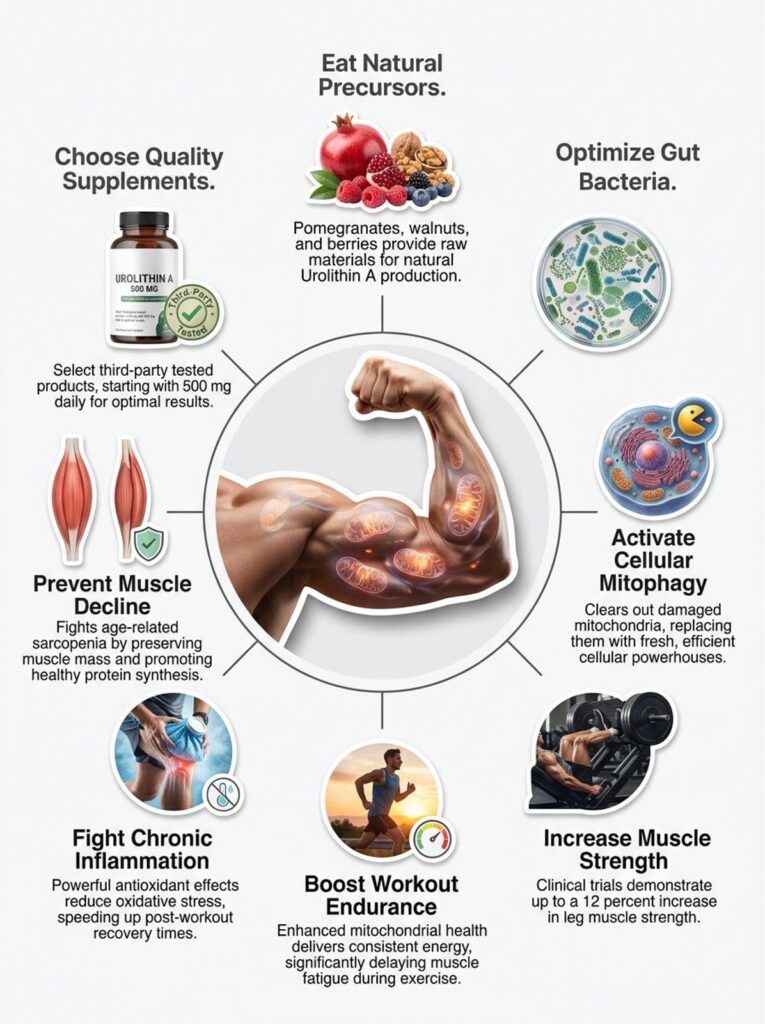
Urolithin A triggers specific muscle signaling pathways that activate mitochondrial biogenesis, the process by which your body builds new mitochondria to power your muscles.
Your muscle cells respond to urolithin A by adjusting protein synthesis and degradation rates, which directly shape how much muscle mass you gain or maintain over time.
How Does Urolithin A Support Mitochondrial Biogenesis?
Your mitochondria need fuel to power your muscles, and that’s where urolithin A steps in. This compound activates the AMPK pathway, a critical control switch for mitochondrial biogenesis.
Think of AMPK as your cellular energy manager. It tells your body to build more mitochondria. Research shows that UA supplements resulted in significant increases in proteins associated with mitochondrial metabolism in skeletal muscle. The 500 mg UA group demonstrated the most impressive transcriptomic changes related to mitochondrial function and muscle metabolism.
The deeper mechanism runs through PGC-1 activation, a master regulator that controls mitochondrial biogenesis. UA enhances the expression and activation of PGC-1, which is crucial for mitochondrial biogenesis and energy metabolism in your muscle tissue. Your muscle fibers become more efficient at converting nutrients into usable energy.
This improved mitochondrial health translates directly into better endurance capacity and sustained performance during intense training sessions. Quality urolithin A supplements help you maximize these cellular improvements without requiring extreme dietary changes.
How Does Urolithin A Influence Muscle Protein Synthesis and Degradation?
Urolithin A works directly on your muscle cells to control how much protein your body builds and breaks down. This compound regulates muscle protein synthesis and degradation through the FOXO family by inhibiting muscle protein degradation and suppressing FoxO activation.
Research shows that urolithin A inhibits the mTORC1 pathway and the expression of Atrogin-1/MuRF1, both involved in protein degradation. These proteins normally signal your body to break down muscle tissue, especially during aging or inactivity. Urolithin A puts the brakes on this breakdown process, which means less muscle loss for you.
Your muscles grow stronger because urolithin A encourages muscle protein synthesis and growth, potentially reducing muscle atrophy. The compound also enhances antioxidant activity, reducing oxidative stress that is crucial for maintaining muscle health.
Studies on urolithin A show it creates an environment where your muscles can recover faster and stay larger over time.
Future studies continue to explore how urolithin A supplementation can help older adults fight age-related muscle decline, making it a strong option for anyone serious about preserving strength and performance.
What Does Research Say About Urolithin A?
Recent clinical trials and systematic reviews reveal that urolithin A attenuates muscle decline and improves mitochondrial function in aging adults.
Scientists discovered that this compound activates mitophagy, which removes damaged mitochondria and supports cellular energy production, making it a promising candidate for sports performance and age-related muscle loss management.
What Have Key Studies Discovered About Urolithin A?
The latest research on urolithin A supplements shows real promise for your muscle health and athletic performance. Here’s what the most important studies have revealed:
| Study Details | Key Findings | Relevance to You |
|---|---|---|
| Liu et al. (2022) Published in JAMA Network Open Randomized clinical trial with older adults | Urolithin A supplementation significantly enhanced muscle endurance and improved mitochondrial health markers in participants. Results demonstrated measurable improvements in physical capacity and cellular energy production. | You gain evidence that UA supplements support endurance capacity and cellular performance, especially as you age. Mitochondrial improvements mean your muscles work more efficiently during exercise. |
| Singh et al. (2022) Published in Cell Reports Medicine Study focused on middle-aged adults | UA improved muscle strength, exercise performance, and biomarkers of mitochondrial health. Participants showed measurable gains in strength metrics and better recovery markers after physical activity. | Your training results improve with UA supplementation. Stronger muscles and better exercise performance translate to more effective workouts and faster progress toward your fitness goals. |
| Andreux et al. (2019) Published in Nature Metabolism Confirmed UA’s mechanism of action | UA confirmed as a reliable mitophagy activator with proven safety and effectiveness. This research established UA’s ability to trigger cellular cleanup processes that remove damaged mitochondria. | You know that UA works through a well-understood biological mechanism. Your cells actively remove damaged components, keeping your muscles functioning at peak capacity. |
| Systematic Review (September 2024) Analyzed five independent studies 250 healthy participants total | Dosages ranged from 100 to 1,000 mg daily across studies. Analysis showed consistent positive outcomes for muscle performance and mitochondrial function across different dose levels. | You have flexibility in choosing your supplement dose based on your needs. The research supports effectiveness across a wide dosage range, meaning various supplement formats work well. |
| Pomegranate Metabolite Research (2007) Published in Journal of Agricultural and Food Chemistry Focused on ellagitannin derivatives | Pomegranate-derived UA metabolites showed ability to inhibit cancer cell growth and localize to specific tissues. This demonstrates UA’s bioavailability and targeted action in your body. | Your body efficiently transports and uses UA where it’s needed most. This targeted action supports cellular health beyond just muscle function. |
| In Vitro Study (2015) Published in Toxicology in Vitro Examined hepatocellular carcinoma cells | UA demonstrated antiproliferative and antioxidant effects on HepG2 cells. Laboratory results showed UA’s protective capabilities against oxidative stress and abnormal cell growth. | Your cellular protection improves with UA intake. Antioxidant effects support overall health and recovery from intense training sessions. |
It is worth noting, as highlighted by medical reviewers at Innerbody Research in 2025, that the majority of existing human clinical trials on urolithin A were designed and funded by Amazentis SA, the creator of the branded ingredient Mitopure. This is a normal part of early-stage supplement science, but it’s context worth having as you evaluate the current evidence base.
Is Urolithin A Safe and Well-Tolerated?
You can feel confident about urolithin A’s safety profile based on solid clinical evidence. A clinical trial studied older adults aged 65 to 90 years and found urolithin A supplementation to be safe and well-tolerated across the board.
Researchers recorded only 33 adverse events total, and none of them were serious in nature.
According to US regulatory filings, the patented Mitopure form of urolithin A has received a formal “No Objection” letter from the US Food and Drug Administration regarding its GRAS (Generally Recognized As Safe) status under notice No. 791.
That’s a meaningful regulatory benchmark that goes well beyond a company simply claiming their product is safe.
Safety assessments documented in Food and Chemical Toxicology in 2017 also confirmed that urolithin A maintains a strong safety profile through dietary intake.
The observed side effects from clinical research were minimal and non-threatening, meaning you can pursue muscle health improvements without significant worry. This safety record makes urolithin A a practical choice for anyone serious about optimizing their muscle health and physical performance through evidence-based supplementation.
Potential of Urolithin A in Exercise Science
Urolithin A transforms how your muscles respond to training stress, helping you push harder and recover faster during intense workouts.
Research shows this compound fights age-related muscle loss, meaning you stay stronger and more capable as you get older.
Can Urolithin A Enhance Sports Performance?
Your athletic performance depends on strong, healthy muscles that recover fast. Urolithin A works directly on your muscle cells to boost strength and endurance during intense training.
Research shows that people taking urolithin A supplements experienced a 12% improvement in muscle strength compared to those who did not. This compound activates mitophagy, which removes damaged mitochondria from your cells. Clean mitochondria produce more energy, so your muscles work harder and longer.
Inflammation slows down your athletic gains and causes muscle soreness after exercise. Urolithin A reduces inflammation markers, including C-reactive protein and pro-inflammatory cytokines that damage muscle tissue. Your body recovers faster when inflammation drops, meaning you can train harder the next day.
The supplement also supports mitochondrial biogenesis, which builds new energy factories inside your muscle cells. This process helps you maintain muscle mass while boosting endurance capacity for longer, more intense workouts.
Your sports performance improves because your muscles have more power, better recovery, and less inflammation holding you back.
How Does Urolithin A Manage Age-Related Muscle Decline?
Your muscles naturally weaken as you age, a process called sarcopenia that affects strength and mobility. Urolithin A fights this decline by activating mitophagy, which removes damaged mitochondria from your muscle cells.
Research shows that participants taking urolithin A supplements experienced a 12% increase in leg muscle strength compared to those taking a placebo. Your body uses mitophagy to clean out faulty energy-producing structures, allowing fresh mitochondria to take their place and power your muscles more effectively.
The transcriptomic analysis revealed that 500 mg of urolithin A triggered significant changes related to mitochondrial function and muscle metabolism in older adults. Your mitochondria generate the energy your muscles require to contract and perform work.
As mitochondria age and accumulate damage, your muscles lose their ability to generate force and endurance.
Urolithin A supplementation reduces inflammation markers like C-reactive protein and pro-inflammatory cytokines, which accelerate muscle loss in aging bodies. The compound also enhances mitochondrial biogenesis, meaning your body creates new, healthy mitochondria to replace worn-out ones.
People report improved walking distance and aerobic capacity after consistent urolithin A use, demonstrating real-world benefits for maintaining muscle mass during your later years. Your muscles respond to this cellular restoration by maintaining strength, endurance, and functional capacity that typically decline with age.
How to Select a Urolithin A Supplement
You need to examine the dosage strength, purity level, and third-party testing certificates before you buy any urolithin A supplement.
Quality products deliver real results, while inferior brands waste your money and fail to support your muscle recovery and mitochondrial function.
If you’re looking for some urolithin A supplement choices, check these out:
What Is the Proper Dosage for Urolithin A Supplements?
Finding the right urolithin A dosage matters for your muscle health goals. Clinical trials tested doses ranging from 100 to 1,000 mg daily to determine what works best.
- Start with 500 mg daily if you’re new to urolithin A supplements. This entry-level dose allows your body to adjust while you monitor your response.
- Research shows a 1,000 mg daily dosage produced significant effects on hamstring muscle strength and aerobic endurance in a study with 88 participants over four months.
- Take your supplement consistently for at least four months to see meaningful muscle performance improvements. Short-term use won’t deliver the results you’re seeking.
- Split your dose into two 500 mg servings if you take 1,000 mg daily. This approach helps your gut absorb the compound more effectively.
- Check the product label for the exact concentration and purity percentage. Quality supplements clearly state their urolithin A content per serving.
- Consult your healthcare provider before starting any new supplement regimen. Individual factors affect how your body processes urolithin A and what dose suits you best.
What Are the Criteria for High-Quality Urolithin A Products?
Quality and purity vary widely across urolithin A products, so careful selection keeps you safe and ensures you get real results. Check these key factors before buying:
- Third-party testing: Verify the manufacturer uses independent labs to confirm product purity and potency. These labs check for contaminants and confirm that the urolithin A content matches the label claim.
- Controlled dosages: Look for products that clearly list how much urolithin A each serving contains. Reliable vendors provide transparent dosage information with no guesswork.
- Certificate of Analysis: Examine the certificate from an accredited testing facility. This document proves the supplement contains what the manufacturer claims and nothing harmful.
- Bioavailable forms: Confirm the supplement uses forms of urolithin A that your body can absorb effectively. Your gut microbiota plays a critical role in urolithin A metabolism, so absorption quality matters greatly.
- Clean formulation: Ensure the product avoids unnecessary fillers, binders, or artificial additives that reduce quality. Clean formulations help your body absorb urolithin A more effectively.
- Price expectations: Based on a 2026 market analysis by Innerbody Research, you can expect to pay between $60 and $125 for a 30-day supply of a high-quality, third-party tested urolithin A supplement in the US. Products priced significantly below this range are often underdosed or lack proper quality controls.
One of the most popular products that people seem to love is Timeline Mitopure Urolithin A.
What Are the Research Gaps and Future Directions for Urolithin A?
Current research on urolithin A reveals significant gaps that demand attention from the scientific community. Most clinical studies examining this compound feature small sample sizes and short durations, which limits the strength of their findings.
Long-term effects and safety data remain inadequately assessed, leaving questions about what happens when you take urolithin A supplements for months or years.
Researchers need to conduct larger-scale, long-term follow-up studies to understand the prolonged effects on muscle health and performance.
As of 2026, research is expanding well beyond muscle health; in fact, Timeline Nutrition has launched the largest clinical study on urolithin A to date, tracking 650 participants to investigate its effects on brain aging and cognitive decline.

Bioavailability and metabolic mechanisms also require deeper exploration. Scientists must map absorption, distribution, and metabolic pathways more thoroughly.
Individual differences significantly affect human responses to urolithin A, meaning factors such as diet, genetics, and environment play crucial roles in how your body processes this compound.
Future investigations should evaluate interactions between urolithin A and other nutrients or medications to identify potential synergistic effects and optimal combinations. Scientists must design studies with larger participant groups and extended timelines to validate current findings and discover new benefits.
Researchers should examine how urolithin A works within diverse populations, recognizing that results can differ from person to person. Investigating mitochondrial biogenesis, muscle protein synthesis, and cellular signaling pathways in greater detail will clarify the mechanisms behind muscle strength and endurance improvements.
These research directions will provide you with evidence-based guidance for selecting effective urolithin A products and setting realistic expectations for muscle performance gains.
Conclusion
Urolithin A offers a science-backed path to stronger, healthier muscles through targeted mitochondrial support. Your gut microbiota transforms polyphenolic compounds from pomegranates, walnuts, and berries into this powerful metabolite, which then activates mitophagy and enhances muscle protein synthesis.
Research shows that consistent supplementation can boost muscle strength by up to 12% and delay fatigue during intense workouts. Quality urolithin A supplements provide an accessible option for fitness enthusiasts seeking to optimize muscle performance and combat age-related decline.
Start with the right dose, monitor your results, and let the science work for you.
FAQs
Urolithin A is a postbiotic compound your gut bacteria produce when you eat foods rich in ellagitannins, like pomegranates and walnuts. It activates mitophagy, a cellular recycling process that clears out damaged mitochondria in muscle cells, helping maintain muscle function and energy production as you age.
Research shows that only about 40% of people have the right gut bacteria to effectively convert ellagitannins into Urolithin A. A supplement bypasses this limitation and delivers a consistent, bioavailable dose directly to your muscles.
Urolithin A revitalizes your mitochondria, the energy powerhouses of muscle cells, which directly improves cellular energy production. A 2022 clinical trial found that 500mg daily supported mitochondrial function and improved muscle endurance in adults over 40. This translates to better exercise performance and resistance to age-related muscle decline.
Yes, clinical trials have demonstrated that daily doses of 500mg to 1000mg are safe and well-tolerated with no significant adverse effects. Multiple peer-reviewed studies have confirmed its safety profile over extended supplementation periods.
References
- https://pmc.ncbi.nlm.nih.gov/articles/PMC10609777/
- https://pmc.ncbi.nlm.nih.gov/articles/PMC3679724/
- https://www.sciencedirect.com/science/article/pii/S1568163724002241
- https://www.sciencedirect.com/science/article/pii/S2666379122001586
- https://pmc.ncbi.nlm.nih.gov/articles/PMC8777576


*Disclosure: This article may contain affiliate links or ads, which means we earn a small commission at no extra cost to you if you make a purchase through these links. These commissions help support the operation and maintenance of our website, allowing us to continue producing free valuable content. Your support is genuinely appreciated, whether you choose to use our links or not. Thank you for being a part of our community and enjoying our content.
PLEASE CONSIDER SHARING THIS ON YOUR SOCIAL MEDIA TO HELP OTHERS LEARN MORE ABOUT THIS TOPIC.