


5 Reasons to Stop Using Meal Replacements and Gainers
If you’re trying to build muscle or shed stubborn body fat, you’ve probably been told to try meal replacements and mass gainers. While the advice is usually well-intentioned, it might not be the best path for your goals.
As a certified sports nutritionist with over two decades in the fitness industry, I’ve seen how the wrong supplements can slow down even the most dedicated person’s progress.
Many meal replacements and gainers can actually work against you. This guide will break down the key reasons to reconsider these products and focus on more effective nutrition strategies.
Note: I’m not saying ALL meal replacements and gainers are bad. However, the majority of what’s available on the market is not ideal or something I would consider a “healthy option.”
Disclaimer: This article is for informational purposes only and is not meant to treat or diagnose any condition. It is recommended that you speak with your doctor before starting any exercise program, changing your daily nutrition, or adding any supplements to your regimen.
Table of contents
Key Takeaways
- Calorie Overload: Many mass gainers contain over 1,000 calories per serving, making it easy to gain unwanted fat instead of lean muscle.
- Low-Quality Carbs: Most products use cheap fillers like maltodextrin, which can spike your blood sugar more than table sugar and lead to digestive issues.
- Poor Protein Ratio: Gainers often have a high carbohydrate-to-protein ratio, meaning you’re paying a premium for sugars and fillers rather than muscle-building protein.
- DIY is Better: Making your own shakes gives you complete control over ingredients, improves nutrition quality, and can cost up to 50% less per serving.
- Whole Foods First: Real food is more satiating and has a higher thermic effect, meaning your body burns more calories digesting it compared to a liquid shake.
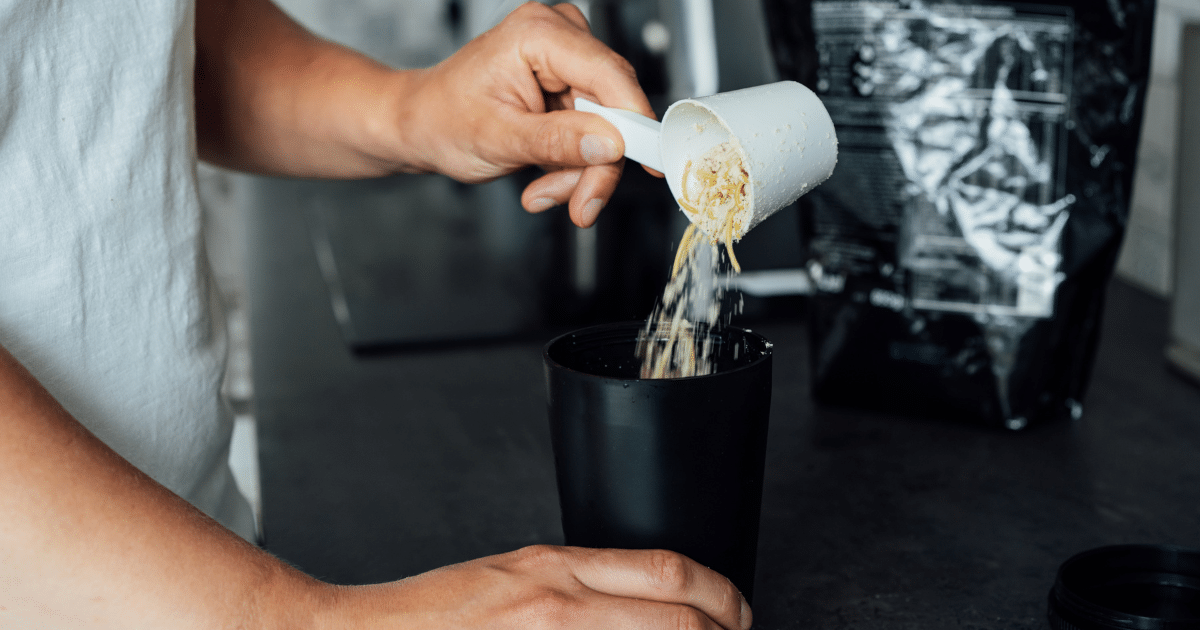
Why Should You Stop Drinking Meal Replacements and Gainers?
Below are five evidence-based reasons you should reconsider using most meal replacements and gainers.
1. You Can’t Control the Calories in Meal Replacements
The biggest issue with commercial gainers is their massive calorie content, which is often inflexible. Products like Optimum Nutrition’s Serious Mass can pack a staggering 1,250 calories and over 250 grams of carbs into a single serving.
While you could technically use a half or quarter scoop, that’s not how the product is designed to be used. This huge calorie dose can easily push you into an excessive surplus, promoting more fat gain than muscle. This is a common frustration I hear from clients who are new to bodybuilding.
Even meal replacements designed for weight loss can be problematic. A 400-calorie shake might seem reasonable, but it won’t provide the same feeling of fullness as a 400-calorie meal of chicken, rice, and broccoli. This can lead to snacking and derail your fat loss goals.
2. The Carbohydrate Content Tends to Be High
The quality of carbohydrates in these products is a major concern. The primary carb source in almost every mass gainer is maltodextrin, a highly processed powder derived from corn, rice, or potato starch.
Maltodextrin has a glycemic index between 85 and 105, which is often higher than table sugar. This causes a rapid spike in blood sugar and insulin, which can contribute to fat storage if those calories aren’t used immediately for intense activity.
A single serving of a popular gainer can contain over 200 grams of these low-quality carbs. This carb source is essentially a cheap filler used to inflate the calorie count. Many users on fitness forums like Reddit complain about the severe bloating and digestive distress these sugar-heavy formulas cause.
Related Article: Weight Gainers Are Junk! Stop Buying Them!

3. The Main Focus of Meal Replacements Isn’t on Protein
Protein is the most critical macronutrient for building and preserving lean muscle mass. While gainers contain protein, the amount is often overshadowed by the massive dose of carbohydrates.
Pay attention to the carbohydrate-to-protein ratio. In many mass gainers, this ratio is 5:1 or even higher. For example, a serving might give you 250g of carbs for only 50g of protein. For effective muscle growth, a meal’s ratio should be closer to 2:1 or 1:1. This imbalance means you’re mostly paying for cheap fillers, not the high-quality protein your muscles need to recover and grow.
The protein quality can also be questionable. Manufacturers often use proprietary blends that may include lower-quality whey concentrate instead of a purer, faster-digesting whey protein isolate.
4. It’s Better to Make Your Own
The best advice I can give my clients is to make their own meal replacements and gainers. While it takes a few more minutes than using a scoop from a tub, you get complete control over the quality, calories, and macronutrients.
Start with a high-quality protein powder as your base. A whey protein isolate is a great choice because it’s typically low in carbs and fats. This gives you a clean canvas to add your own healthy ingredients.
Here are some great additions for your homemade shakes:
- Carbohydrates: Add rolled oats, bananas, or berries for sustained energy and fiber. For sweetness without extra calories, a zero-calorie option like Stevia works well. Avoid sweeteners like Splenda (sucralose) if you’re sensitive to artificial ingredients.
- Healthy Fats: Include natural peanut butter, almond butter, chia seeds, or flax seeds for essential fatty acids. If you want the flavor of peanut butter without the higher fat content, a powdered peanut butter is an excellent alternative.
Making your own shake is not only healthier but also more affordable. You can easily save 50% or more per serving compared to pre-made powders.
5. Your Focus Should Be on Real Food
Ultimately, your primary focus should always be on whole, nutrient-dense foods. Meal replacements are convenient, but they can never fully replace the benefits of real food.
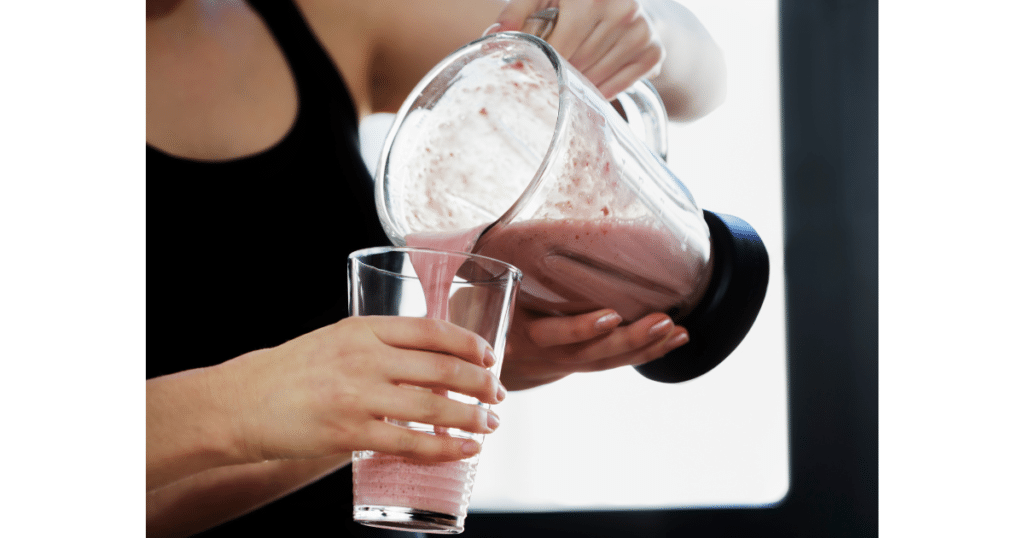
Whole foods provide two key advantages over liquid shakes.
- The Thermic Effect of Food (TEF): Your body burns calories to digest and process food. This effect is much higher for whole foods. Protein has a TEF of 20-30%, meaning your body uses 20-30% of its calories just for digestion. Processed shakes are absorbed with minimal effort, robbing you of this metabolic boost.
- Satiety: Solid food keeps you feeling full for longer. A 600-calorie chicken, sweet potato, and avocado meal will satisfy you for hours. A 600-calorie shake is often digested quickly, leaving you hungry again sooner. Studies in publications like the American Journal of Clinical Nutrition consistently show that liquid calories are less satiating than solid ones.
If you’re serious about your results, meal prepping is essential. Plan your meals for the week and prepare them in bulk using good Tupperware containers or dedicated meal containers. This is the foundation of sustainable success.
FAQs About Meal Replacements
1. Are there any situations where a mass gainer is a good idea?
For extreme “hardgainers” or athletes with incredibly high daily calorie needs (e.g., over 5,000 calories), a gainer can be a tool to supplement whole food intake. However, for the average person, the high sugar and calorie content often leads to more fat gain than muscle. A homemade shake is almost always a better option.
2. Can meal replacements help with weight loss?
They can, but often as a short-term solution. A shake can provide a controlled number of calories, which helps create a deficit. The main problem is that they don’t teach sustainable eating habits. Relying on shakes can make it difficult to maintain weight loss once you return to eating regular meals.
3. What’s a simple recipe for a healthy homemade gainer shake?
Certainly. Try this: blend 1-2 scoops of whey protein isolate, 1 cup of whole milk or almond milk, 1/2 cup of rolled oats, one banana, and one tablespoon of natural peanut or almond butter. This provides around 600-700 calories with a balanced mix of protein, complex carbs, and healthy fats.


*Disclosure: This article may contain affiliate links or ads, which means we earn a small commission at no extra cost to you if you make a purchase through these links. These commissions help support the operation and maintenance of our website, allowing us to continue producing free valuable content. Your support is genuinely appreciated, whether you choose to use our links or not. Thank you for being a part of our community and enjoying our content.
PLEASE CONSIDER SHARING THIS ON YOUR SOCIAL MEDIA TO HELP OTHERS LEARN MORE ABOUT THIS TOPIC.