
Sodium in Food Isn’t the Devil You Think It Is
When you’re eating your meals, do you often think about the sodium in your food?
For years, health advice has felt like a moving target. Fat was the enemy, then it became a friend. One day an ingredient is a superfood, the next it’s a villain. If you spend enough time searching online, you’ll find someone claiming that almost everything causes a major health issue.
Sodium in food has been stuck with a particularly bad reputation.
As a certified strength and conditioning coach and sports nutritionist, I’ve seen firsthand how this fear of sodium can be misguided, especially for active people. While it’s true that some individuals need to limit their intake, for most health enthusiasts, sodium is not the devil it’s made out to be.
This guide will cut through the myths and show you how to make sodium work for your health and fitness goals, not against them. Just like even too much water can be dangerous, the key is balance, not elimination. Let’s dive deeper into the sodium in food.
Disclaimer: This article is for informational purposes only and is not meant to treat or diagnose any condition. It is recommended that you speak with your doctor before starting any exercise program, changing your daily nutrition, or adding any supplements to your regimen.
Table of contents
Key Takeaways:
- Sodium Isn’t the Enemy: For active individuals, sodium is a crucial electrolyte that supports muscle function, nerve transmission, and hydration. The fear of sodium is often based on outdated or incomplete information.
- Know the Real Culprits: Over 70% of the sodium Americans consume comes from processed and restaurant foods, not the salt shaker. The American Heart Association identifies the “Salty Six” (breads, cold cuts, pizza, poultry, soup, and sandwiches) as top sources.
- Athletes Have Different Needs: Intense exercise can cause significant sodium loss through sweat, often around 1 gram per hour. Failing to replace this can lead to muscle cramps, fatigue, and poor performance.
- Balance is Key: The goal isn’t to eliminate sodium but to balance it. This includes consuming enough potassium, which helps counteract sodium’s effects on blood pressure. The ideal dietary ratio is about three parts potassium to one part sodium.
- Too Little is Also Dangerous: Severely restricting sodium can lead to a dangerous condition called hyponatremia, with symptoms like confusion, muscle spasms, and headaches.
What is Sodium?
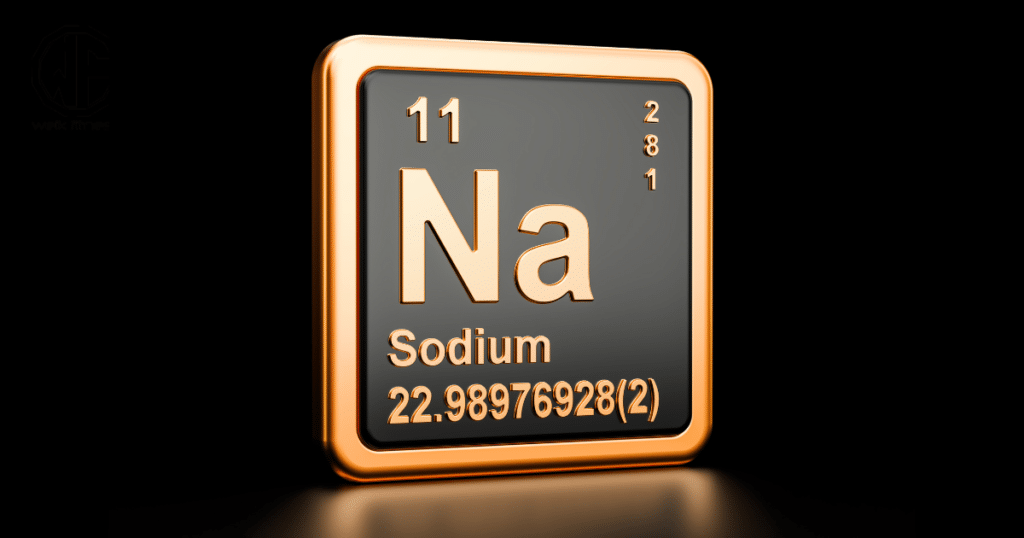
Sodium is an essential mineral and one of the body’s most important electrolytes. Think of electrolytes as the spark plugs for your muscles and nerves. When dissolved in water, they create an electrical charge that is critical for countless bodily functions. You need sodium in your food.
While chemically it’s a reactive metal, in the body, sodium plays a starring role in:
- Fluid Balance: Sodium works with potassium to control the amount of fluid inside and outside your cells, which is vital for proper hydration and blood pressure regulation.
- Muscle Contraction: Every time you flex a muscle, whether it’s lifting a weight or your heart beating, you’re relying on sodium to help transmit the electrical signal that makes it happen.
- Nerve Impulses: Your nervous system communicates through electrical signals. Sodium is essential for these nerve impulses to fire correctly, affecting everything from your thoughts to your reflexes.
You can’t live without it. The key is understanding where the sodium in food comes from and how much your body actually needs to thrive.
Sodium in Food: Which Foods Are the Highest?
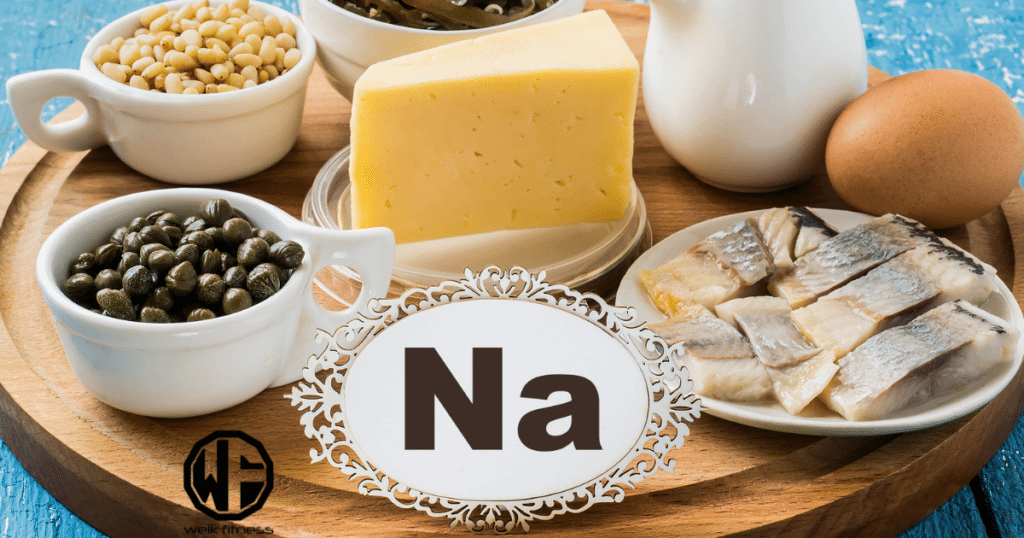
When you think of high-sodium foods, potato chips and pretzels probably come to mind. While they are salty, the biggest sources of sodium in the American diet are often hiding in plain sight. According to the Centers for Disease Control and Prevention (CDC), more than 70% of the sodium we eat comes from processed and restaurant foods, not the salt shaker at home.
The American Heart Association has identified the main culprits, calling them the “Salty Six.” These are foods that can add a surprising amount of sodium to your diet, even in a single serving.
- Breads and Rolls: A single piece of bread might have up to 230 mg of sodium. That means a sandwich can have nearly 500 mg before you even add fillings.
- Cold Cuts and Cured Meats: Just six thin slices of deli turkey can pack over 1,000 mg of sodium.
- Pizza: One slice can contain up to 760 mg of sodium, so two slices could put you over the ideal daily limit.
- Poultry: Some brands inject raw chicken with a salt solution for flavor and moisture, so always check the label. Breaded chicken nuggets are also a major source, with just 3 ounces containing around 600 mg.
- Canned Soups: A single cup of canned soup can have as much as 940 mg of sodium.
- Sandwiches and Burgers: When you combine bread, processed meat, cheese, and condiments, a single restaurant sandwich can easily exceed 1,500 mg of sodium.
Even “healthy” foods can be surprisingly high in sodium. For example, a half-cup of cottage cheese can contain 400 mg, and some breakfast cereals have over 200 mg per serving. The best way to stay in control of the sodium in food is to read the nutrition labels. According to the FDA, a food is considered “low sodium” if it has 140 mg or less per serving.
The Bad News About Sodium in Food
There’s a reason sodium gets a bad rap. The CDC reports that about 90% of Americans consume too much sodium, with an average intake of over 3,400 mg per day, far exceeding the Dietary Guidelines recommendation of 2,300 mg. For certain groups, including adults over 50 and those with diabetes or high blood pressure, the risk is even greater.
When you have excess sodium in your bloodstream, your body holds onto extra water to dilute it. This increases the total volume of blood inside your vessels, forcing your heart to work harder and increasing pressure on your arteries.
Over time, this can lead to serious health problems, including:
- Hypertension (High Blood Pressure): This is a major risk factor for heart disease and stroke.
- Heart Disease and Stroke: Consistently high blood pressure damages arteries and can lead to a heart attack or stroke.
- Kidney Strain: Your kidneys are responsible for filtering excess sodium out of your blood. A high-sodium diet forces them to work overtime, which can contribute to kidney disease.
On a more immediate level, a high-sodium meal, like one from a Chinese buffet, can cause significant water retention and bloating as your body works to restore its fluid balance.
The Good News About Sodium in Food
For active people, sodium in food is not just good, it’s an essential electrolyte for performance. When you exercise, you lose sodium through sweat. The amount varies, but many athletes lose around 1 gram (1,000 mg) of sodium per hour of intense activity.
If you don’t replace this lost sodium, your body’s fluid balance can be thrown off, leading to dehydration. This is a primary cause of performance decline, fatigue, and painful muscle cramping. In my experience as a coach, improper hydration and electrolyte balance is one of the biggest limiting factors for many athletes.
A 2015 study highlighted this by finding that triathletes who properly replaced the sodium they lost in sweat finished a race 26 minutes faster on average than those who didn’t. This is why sports drinks and electrolyte supplements like LMNT or Liquid I.V. are so effective, they are designed to replenish what’s lost during exercise.
Brain
Your brain health depends on stable sodium levels. Sodium helps your body’s cells absorb glucose, the primary fuel source for your brain. When sodium levels drop, particularly from dehydration during exercise, it can directly impact cognitive function.
This can manifest as brain fog, confusion, and lethargy. Maintaining proper sodium balance is critical for staying sharp, both in the gym and in daily life.
Carbon Dioxide
Sodium in food also plays a role in managing carbon dioxide levels in the body. It acts as part of the body’s bicarbonate buffering system, which helps remove excess carbon dioxide from your blood.
This process is crucial for maintaining a stable pH level, ensuring your blood remains oxygen-rich and can be efficiently transported to your working muscles during exercise.
Blood Pressure
While too much sodium is linked to high blood pressure, it’s also true that your body needs a certain amount to maintain healthy blood pressure. It is a delicate balance. Hypertension is often called the “silent killer” because it can be present without any obvious symptoms.

The American Heart Association (AHA) defines healthy blood pressure as below 120/80. The numbers are broken down into the following stages:
- Hypertension Stage 1: 130-139 / 80-89
- Hypertension Stage 2: 140+ / 90+
- Hypertensive Crisis: 180+ / 120+
*If you check your blood pressure and it falls into the hypertensive ranges, it is critical to consult your doctor.
How Much Sodium is Recommended in Our Diet?
The Dietary Guidelines for Americans recommend that adults limit sodium intake to less than 2,300 mg per day. The American Heart Association (AHA) suggests an even lower ideal limit of 1,500 mg per day for most adults. However, the average American consumes about 3,400 mg daily.
For health enthusiasts and athletes, these numbers need context. If you are sweating heavily for an hour or more each day, your needs may be higher to offset losses. The key is to focus on whole, unprocessed foods and limit the “Salty Six.”
Adopting a flexible dieting lifestyle means you don’t have to fear any single food. Instead of focusing on what to eliminate, focus on what to add. Increasing your intake of potassium-rich foods is one of the best strategies, as potassium helps your body excrete excess sodium and relax blood vessels. Great sources include:
- Spinach and other leafy greens
- Sweet potatoes and potatoes
- Bananas and avocados
- Beans and lentils
By prioritizing whole foods and being mindful of processed sources, you can easily manage your sodium intake without being afraid of this vital electrolyte.
FAQs About Sodium
Is sea salt healthier than table salt?
This is a common myth. By weight, sea salt and table salt contain the same amount of sodium, about 40%. The main difference is processing. Table salt is mined and processed to remove minerals, while sea salt is from evaporated seawater and retains trace minerals that can add flavor and color. However, these minerals are in tiny amounts. Table salt is often fortified with iodine, an essential nutrient for thyroid health, which sea salt typically lacks.
Does sweating a lot mean I need more sodium?
Yes, almost certainly. Athletes can lose a significant amount of sodium through sweat, sometimes between 460-1840 mg per liter. If you exercise intensely for more than an hour, especially in the heat, you will likely need to replenish sodium to maintain performance and avoid issues like muscle cramps. This can be done through sports drinks, electrolyte powders, or even by adding a pinch of salt to your water.
Can you eat too little sodium?
Absolutely. While rare for most people, extremely low sodium intake can lead to a dangerous condition called hyponatremia. Symptoms can include nausea, headaches, confusion, and muscle weakness. It is most common in endurance athletes who drink excessive amounts of water without replacing electrolytes, or in older adults with certain medical conditions.
Sources:
- Harvard. https://www.hsph.harvard.edu/nutritionsource/salt-and-sodium/sodium-health-risks-and-disease/
- American Heart Association. http://www.heart.org/HEARTORG/Conditions/HighBloodPressure/GettheFactsAboutHighBloodPressure/The-Facts-About-High-Blood-Pressure_UCM_002050_Article.jsp#.WlZEVkxFxPY
- American Heart Association infographic. https://healthyforgood.heart.org/eat-smart/infographics/effects-of-excess-sodium-infographic


*Disclosure: This article may contain affiliate links or ads, which means we earn a small commission at no extra cost to you if you make a purchase through these links. These commissions help support the operation and maintenance of our website, allowing us to continue producing free valuable content. Your support is genuinely appreciated, whether you choose to use our links or not. Thank you for being a part of our community and enjoying our content.
PLEASE CONSIDER SHARING THIS ON YOUR SOCIAL MEDIA TO HELP OTHERS LEARN MORE ABOUT THIS TOPIC.