


Brain Research: Cardio Improves Cognitive Functioning
Many people groan at the thought of cardio, but new brain research shows it might be one of the most powerful tools for protecting your mind.
If you or a loved one is concerned about cognitive health, this is information you need to see.
As a certified strength and conditioning coach and sports nutritionist, I’ve spent my career helping people improve their physical health. The evidence is clearer than ever that what’s good for the body is incredible for the brain. This guide breaks down the science and gives you practical steps to get started.
Disclaimer: This article is for informational purposes only and is not meant to treat or diagnose any condition. It is recommended that you speak with your doctor before starting any exercise program, changing your daily nutrition, or adding any supplements to your regimen.
Table of contents
Key Takeaways
- A specific brain research study showed that adults with mild cognitive impairment who did cardio four times a week for six months experienced an increase in brain volume.
- This increase in brain volume was directly linked to better cognitive functioning and improved memory.
- The cardio group showed significant improvement in executive function, while a group that only performed stretching exercises showed no change.
- Aerobic exercise is known to boost Brain-Derived Neurotrophic Factor (BDNF), a protein that is essential for the health of neurons and creating new ones.
- Health experts, including the CDC, generally recommend at least 150 minutes of moderate-intensity aerobic exercise per week for significant health benefits.
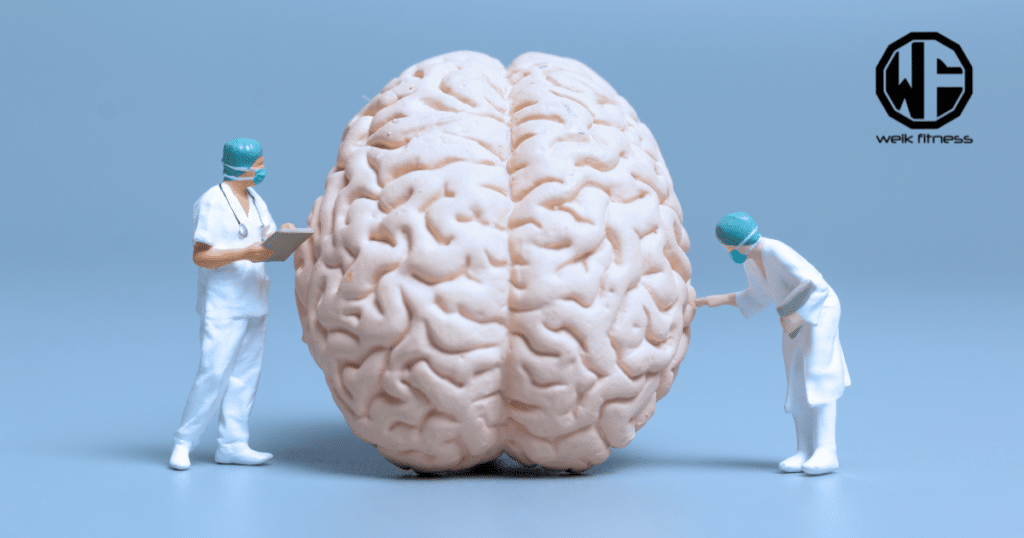
What Did the Brain Research Show?
The core of this exciting news comes from a study presented at an annual meeting of the Radiological Society of North America (RSNA). Researchers from Wake Forest School of Medicine used a specialized MRI technique to get a clearer picture of the brain’s structure.
They found that adults with mild cognitive impairment who performed cardio four days a week for six months actually saw an increase in brain volume. This growth led to concrete benefits in cognitive function and memory.
This is a significant finding, especially since the Alzheimer’s Association reports that in 2024, an estimated 6.9 million Americans aged 65 and older are living with Alzheimer’s dementia.
The Brain Research Details: Cardio vs. Stretching
This brain research study involved 35 adults who were split into two groups.
- The Cardio Group: Sixteen adults performed aerobic exercise four times a week for six months. They used common gym equipment like treadmills, ellipticals, and stationary bikes.
- The Stretching Group: Nineteen adults engaged in only stretching routines for the same duration and frequency.

While both groups showed some improvement in the gray matter regions related to short-term memory, the cardio group saw the most dramatic changes. The fact that these physical changes in the brain were noticeable in just six months is truly remarkable.
The lead author, Dr. Jeongchul Kim, highlighted that their new MRI method can detect tiny changes in brain fibers before larger, volume-based changes are even visible. This could be a new biomarker for tracking neurological disease.
Why Does Cardio Have This Effect?
So, what is happening inside the brain when you get your heart pumping? One of the key players is a protein called Brain-Derived Neurotrophic Factor, or BDNF.
Think of BDNF as fertilizer for your brain cells. Research from institutions like UCLA has shown that aerobic exercise significantly increases BDNF levels. This protein helps existing neurons survive and thrive while also promoting the growth of new ones, a process known as neurogenesis.
When the researchers looked at cognitive performance, the results were clear. The group that did regular cardio showed a much-improved performance level. The group that only stretched showed no change at all. The evidence from this brain research strongly suggests that consistent cardiovascular exercise is vital for better cognitive functioning, especially for those facing cognitive challenges.
That doesn’t mean other forms of exercise are useless. As one researcher from the study noted, “Any type of exercise can be beneficial.” Combining cardio with a healthy diet appears to be the most effective strategy for slowing the progression of cognitive diseases.
Source:
Materials provided by Radiological Society of North America
FAQs About Brain Research and Cognition
How much cardio do I need for brain benefits?
The U.S. Centers for Disease Control and Prevention (CDC) provides a great target. Aim for at least 150 minutes of moderate-intensity aerobic activity each week. You can break this down into 30 minutes a day, five days a week.
What does “moderate-intensity” mean?
A simple way to gauge this is the “talk test.” During moderate-intensity exercise, you should be able to talk, but not sing. Your breathing and heart rate will be noticeably elevated. Examples include brisk walking, cycling on level ground, or using an elliptical machine.
Does strength training also help the brain?
Yes, it does. While this brain research focused on cardio, other studies show that resistance training is also beneficial for cognitive health. A 2020 study from the University of Sydney found that just six months of strength training can help protect brain areas vulnerable to Alzheimer’s disease. A well-rounded fitness program that includes both cardio and strength work is your best bet.


*Disclosure: This article may contain affiliate links or ads, which means we earn a small commission at no extra cost to you if you make a purchase through these links. These commissions help support the operation and maintenance of our website, allowing us to continue producing free valuable content. Your support is genuinely appreciated, whether you choose to use our links or not. Thank you for being a part of our community and enjoying our content.
PLEASE CONSIDER SHARING THIS ON YOUR SOCIAL MEDIA TO HELP OTHERS LEARN MORE ABOUT THIS TOPIC.