

Sit on A Vibrator to Get Fit? Say What?!
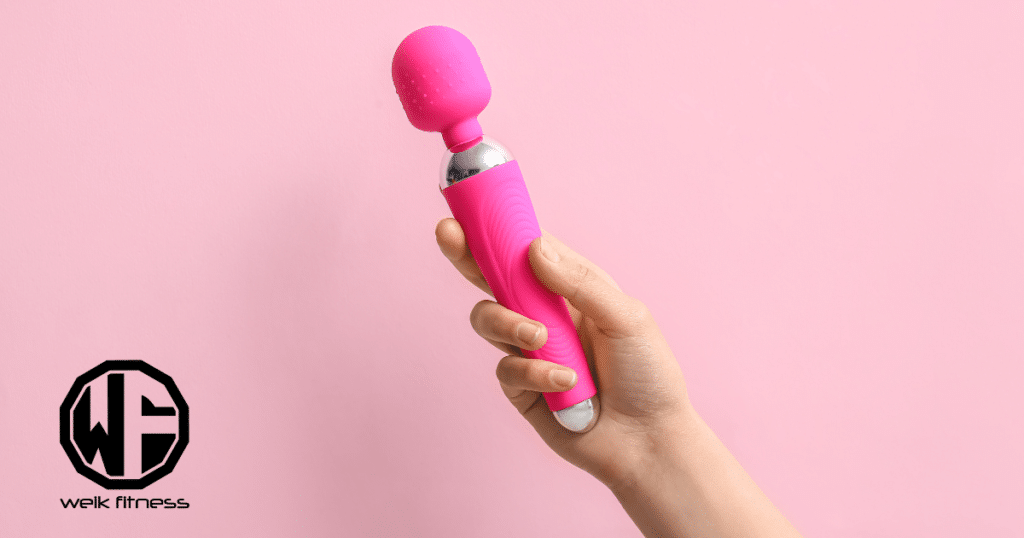
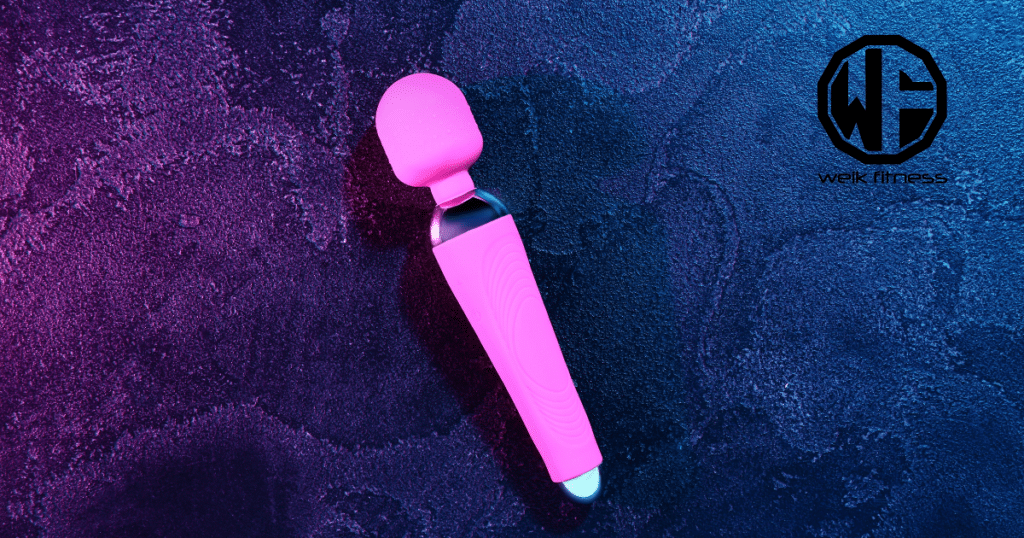
Let’s clear the air right away. When we talk about using a vibrator for fitness, we aren’t referring to the kind you might find in a bedside table, like a certain sex toy.
Instead, we’re talking about a technology called Whole-Body Vibration, or WBV for short.
Recent studies have brought this unique form of exercise back into the spotlight, suggesting that standing, sitting, or even lying on a vibrating platform can offer real health benefits. As a fitness professional with years of experience, I’ve seen countless trends come and go, so I was naturally skeptical. But the growing body of research is worth a serious look.
This guide will break down the science, cut through the hype, and give you an honest look at whether a vibrator, the fitness kind, deserves a place in your health routine.
Disclaimer: This article is for informational purposes only and is not meant to treat or diagnose any condition. It is recommended that you speak with your doctor before starting any exercise program, changing your daily nutrition, or adding any supplements to your regimen.
Table of contents
What Is Whole-Body Vibration and How Does This Vibrator Work?
Okay, since your mind might already be in the gutter, let’s stick with the vibrator image for a moment to get focused. But we’re upgrading from the bedroom to the gym.
You might remember those old-school vibrating belt machines that were supposed to jiggle away fat. They were rightly laughed out of the fitness industry because they were ineffective. Modern whole-body vibration is a different beast entirely. Today’s technology has its roots in a surprising place: the Russian space program, where it was used to help cosmonauts prevent muscle and bone loss in zero gravity.
So, how does this whole vibrator thing work?
You stand, sit, or perform exercises on a platform that vibrates at a specific frequency and amplitude. These vibrations transmit energy through your body, causing your muscles to contract and relax dozens of times per second. It’s a reflexive action, engaging up to 95% of your muscle fibers, which is significantly more than many traditional exercises.
High-quality machines from companies like Power Plate, which is an FDA-registered Class 1 medical device, use a consistent, multi-directional movement to create a safe and effective stimulus. The global market for these machines is growing, projected to reach over $650 million in 2026, showing a clear demand in both commercial gyms and home settings.
RELATED: Let Go of Your Inhibitions and Feel Sexy with Pole Fitness
But the biggest mistake I see people make is just standing there passively. To get the most out of it, you need to engage. As many experienced users on fitness forums note, performing dynamic exercises like squats, lunges, or planks on the plate amplifies the benefits and turns it into a real workout.
The Science Behind WBV: What Does the Latest Research Say?
The original research mentioned in this article, a 2017 mouse study, was interesting but far from conclusive for humans. Since then, a lot more research has been done, and the findings are more nuanced. In my experience as a trainer, separating hype from reality is everything.
WBV is not a magic pill for weight loss or a replacement for hitting the weights. However, the science shows it has legitimate, targeted applications.
Strength, Balance, and Bone Density
Some of the most compelling evidence for whole-body vibration is in specific populations. For example, multiple studies have shown that it can significantly improve muscle strength, balance, and mobility in older adults. A meta-analysis published in 2024 confirmed that long-term WBV training leads to sustained improvements in physical function for seniors.
It’s also a promising tool for bone health. A meta-analysis concluded that whole-body vibration treatments can effectively improve bone mineral density in postmenopausal women, making it a potential strategy for managing osteoporosis.
Athletic Performance and Recovery
Professional athletes and teams have adopted whole-body vibration for a reason. Studies from publications like the European Journal of Sports Science show it can enhance flexibility, improve circulation, and activate more muscle fibers. This makes it a valuable tool for warming up before a workout and for speeding up recovery afterward.
In fact, many users on Reddit and fitness forums praise machines like the LifePro Waver specifically for reducing delayed onset muscle soreness (DOMS). By boosting blood flow, the vibrations help clear out metabolic waste products that cause that post-workout ache.
What About Weight Loss?
This is where we need to be realistic. While some studies suggest WBV can aid weight loss when combined with a calorie-controlled diet, it is not a primary fat-burning exercise. The calorie burn from a whole-body vibrationBV session is relatively low compared to traditional cardio.
Think of it as a powerful supplement. It can help improve muscle tone and circulation, which are important components of a healthy metabolism. But you can’t stand on a vibrator for 15 minutes and expect it to undo a poor diet. That’s not how fitness works.

So, where do I land on this whole vibrator thing? The old, dismissive take is outdated. The new research is encouraging, but it paints a picture of a specialized tool, not a cure-all. WBV is not a replacement for traditional exercise. However, for specific goals like improving balance, boosting bone density, or accelerating recovery, the evidence shows it can be a valuable and efficient addition to a fitness routine. It’s about using the right tool for the right job.
FAQs About Vibrator Fitness
Is whole-body vibration safe for everyone?
No, vibrator fitness is not. There are several contraindications. You should avoid whole-body vibration if you are pregnant, have a pacemaker, have kidney or gallstones, or have recently had surgery or joint implants. It is also not recommended for those with acute thrombosis, certain cardiovascular diseases, or active cancer. Always consult with your doctor before starting any new exercise program, especially WBV.
How long should you use a vibration plate?
Most studies and manufacturers recommend sessions of 10 to 20 minutes, about three to four times per week. The key is consistency over duration. Even a short, 15-minute session can provide benefits for circulation and muscle activation if done regularly.
Can you lose belly fat with a vibration plate?
This is a common question, but the answer is no. You cannot spot-reduce fat from any part of your body. While a vibration plate can help improve overall muscle tone and contribute to calorie burn as part of a larger plan, it won’t specifically target belly fat. True fat loss comes from a combination of consistent, full-body exercise and a sensible diet.
What does standing on a vibration plate feel like?
It feels like a strong, deep hum that goes through your body. High-quality machines from brands like Power Plate provide a smooth, harmonic vibration that shouldn’t be jarring or uncomfortable. When you perform exercises like squats, you’ll feel your muscles working significantly harder to stabilize against the vibrations.


*Disclosure: This article may contain affiliate links or ads, which means we earn a small commission at no extra cost to you if you make a purchase through these links. These commissions help support the operation and maintenance of our website, allowing us to continue producing free valuable content. Your support is genuinely appreciated, whether you choose to use our links or not. Thank you for being a part of our community and enjoying our content.
PLEASE CONSIDER SHARING THIS ON YOUR SOCIAL MEDIA TO HELP OTHERS LEARN MORE ABOUT THIS TOPIC.