

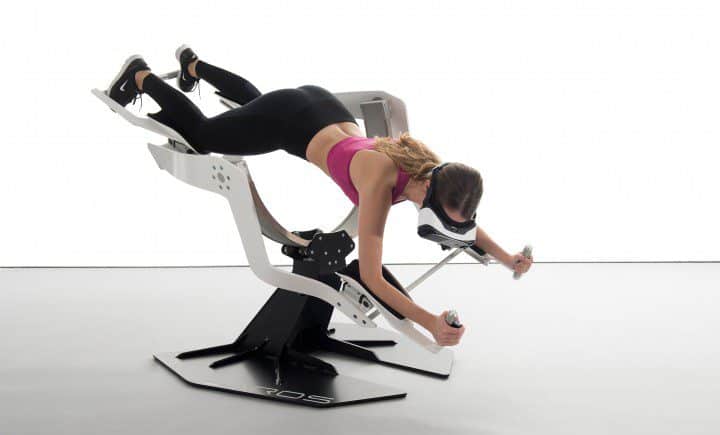
Next Generation: Virtual Reality Fitness
Forget everything you thought you knew about workouts being a chore. Virtual reality fitness is changing the game, turning exercise from something you have to do into something you can’t wait to experience.
This isn’t just for gamers anymore. The global virtual fitness market is exploding, valued at an incredible $43.78 billion in 2026 and projected to grow from there. Why? Because it works. It combines the motivation of a personal trainer, the fun of a video game, and the convenience of a home gym all in one.
In my years as a certified trainer and nutritionist, I’ve seen countless people struggle with consistency. VR fitness cracks that code by making exercise genuinely engaging. Whether you’re using a device like the popular Meta Quest headset or another VR system, you can transport yourself to incredible new worlds for a workout you’ll actually enjoy.
This guide will show you how to leverage this powerful technology to get real results, breaking down the best apps and the science behind why it’s so effective.
Related Article: Can Interactive Fitness Get You Better Results?
Disclaimer: This article is for informational purposes only and is not meant to treat or diagnose any condition. It is recommended that you speak with your doctor before starting any exercise program.
Table of contents
Key Takeaways
- Massive Growth: The virtual reality fitness market is a multi-billion dollar industry, proving it’s a serious and effective alternative to traditional exercise.
- Top-Tier Apps: Platforms like Supernatural and FitXR offer coach-led workouts in stunning locations with licensed music, transforming exercise into a premium experience.
- Proven Calorie Burn: Studies confirm that VR workouts qualify as moderate-to-vigorous physical activity. A 20-minute session in an app like Les Mills Bodycombat can burn over 200 calories.
- Affordable & Accessible: The entry cost for a VR headset like the Meta Quest 3 is significantly lower than traditional equipment like a Peloton bike, with app subscriptions often cheaper than a gym membership.
- Beyond Cardio: VR fitness now includes strength training accessories, guided yoga, and meditation, offering a well-rounded wellness solution.

Virtual Reality Fitness Not Just for Gamers
The idea of a workout that feels more like an adventure is no longer a futuristic concept, it’s a reality. The core of virtual reality fitness lies in apps that transform exercise into an immersive experience. Instead of staring at a gym wall during a spin class, you can pedal through breathtaking landscapes.
Two of the most popular platforms leading the charge are Supernatural and FitXR. Think of them as the Netflix or Peloton of VR workouts.
- Supernatural: This app is famous for its stunning, real-world locations and licensed music from top artists. Real coaches guide you through daily classes in boxing, flow-based cardio, and even meditation, making it feel like a premium, personalized training session. A 2024 study using advanced calorimetry confirmed that both its “Flow” and “Boxing” modes are classified as vigorous-intensity activities.
- FitXR: This platform offers a huge variety of workout styles in one subscription, including Boxing, HIIT, Dance, and Combat classes. It’s perfect for people who get bored easily, and its multiplayer mode allows you to work out with up to six friends, adding a powerful social element.
These aren’t just simple games. They are structured, coach-led programs designed by fitness professionals to deliver real results. Many users on fitness forums report they work out more consistently simply because VR makes it fun and engaging.
Related Article: Virtual Reality Fitness Helps the Elderly
What Does VR Mean for the Fitness Industry?
Virtual reality fitness is a powerful tool for overcoming one of the biggest hurdles in exercise: boredom. By fully immersing you in a different environment with music and objectives, it creates what’s known as “immersive fitness.” This experience can trick your brain into forgetting you’re even working out.
The impact is measurable. Studies have found that participants using VR feel more motivated and report that exercise feels less strenuous compared to traditional methods. This psychological boost means you’re more likely to push harder and exercise for longer periods.
A key advantage of VR is its ability to turn exercise into “exergaming.” For kids and adults alike, apps like the rhythm-slashing game Beat Saber or the action-packed Pistol Whip provide an intense cardio workout disguised as pure fun. You’re so focused on the game that you don’t even realize how much you’re moving.
Because of the immersive nature of VR, some people may experience motion sickness. Most modern headsets have high refresh rates to minimize this, but it’s a good idea to start with shorter 20-minute sessions. As a pro-tip from experienced users on forums, using a stationary mat can help your brain stay oriented, and a simple fan can provide airflow to keep you cool and reduce discomfort.
Other Fitness-Related VR Platforms
The world of virtual reality fitness extends far beyond high-intensity cardio. The technology is perfect for more mindful practices, offering serene and focused environments that are impossible to replicate in a typical home setting.
Yoga, Pilates, and meditation have found a natural home in VR. For example, the recently launched Alo Moves XR app on the Meta Quest 3 transports you to stunning locations like Spain or Thailand for guided yoga and pilates classes. You can even move around your 3D instructor to see their form from any angle, providing a level of detail that a 2D video can’t match.
Many mainstream fitness apps now include dedicated modes for recovery and mindfulness:
- Supernatural offers guided meditations and stretching routines in its breathtaking photorealistic environments.
- FitXR includes a Sculpt studio for targeted, low-impact toning exercises that are great for recovery days.
These platforms often operate on a subscription model, which is a key factor for developers. Apps like Supernatural and FitXR use monthly or annual fees, typically ranging from $10 to $20, to fund the constant creation of new classes, license popular music, and film in new locations. This ensures the content never gets stale.
VR Weight Lifting?
While lifting heavy, virtual dumbbells is still in the realm of science fiction due to safety concerns, you can absolutely incorporate strength training into your VR fitness routine. The key is to blend physical resistance with the virtual world.
Many users enhance their workouts by adding real-world equipment. It’s a simple and effective way to build muscle while staying immersed in the game.
Here are some practical ways people are doing it:
- Weighted Vests: Wearing a weighted vest, like those from ZFOsports, adds constant resistance to every squat, lunge, and dodge, significantly increasing the intensity and calorie burn of any VR workout.
- Wrist and Ankle Weights: For cardio-heavy games, adding light wrist or ankle weights from brands like SPRI can increase the challenge for your arms and legs without interfering with gameplay.
- Resistance Bands: In apps that focus on bodyweight movements, such as FitXR’s Sculpt studio, incorporating resistance bands is an excellent way to add targeted strength work for glutes, hips, and shoulders.
The future of VR strength training is also becoming a reality. Companies are developing smart accessories that sync with VR. Imagine a future where you train with legends like Arnold or Ronnie Coleman in a virtual Gold’s Gym Venice, a dream for many bodybuilding fans. While that’s still on the horizon, the tools available today already provide a fantastic way to build a strong, functional physique.
How Much Will This Virtual Reality Fitness Cost?
Getting started with virtual reality fitness is more affordable than you might think, especially when you compare it to other popular home fitness solutions. The initial investment is the headset, but the long-term value often outweighs the cost of a gym membership or expensive equipment.
Let’s break down the typical costs in 2026.
| Item | Typical Cost | Notes |
|---|---|---|
| VR Headset | $300 – $500 | The Meta Quest 3 is the most popular choice and is priced around $500. It’s a standalone device, so you don’t need a PC or console. |
| Fitness Apps | $10 – $20 / month | Subscription apps like Supernatural ($9.99/mo) and FitXR ($12.99/mo) are common. Some apps, like Les Mills Bodycombat, are a one-time purchase. |
| Accessories (Optional) | $20 – $50 | A silicone face cover to protect the headset from sweat is highly recommended. Controller grips and a VR mat also enhance comfort and safety. |
When you do the math, the value becomes clear. A Meta Quest 3 headset and a one-year subscription to a premium app like FitXR costs less than a single Peloton bike. Over a third of VR fitness users are now replacing their traditional gym memberships entirely, saving on monthly fees and travel time. The global VR fitness market is projected to reach nearly $48 billion by 2034, driven by this increasing accessibility and proven effectiveness.
Can Virtual Reality Fitness Help the Elderly?
Absolutely. In fact, older adults are one of the groups that can benefit the most from virtual reality fitness. The technology provides a safe, engaging, and low-impact way to improve mobility, balance, and cognitive function, which are all crucial for healthy aging. The growing adoption of online fitness programs by seniors is a major factor driving the market’s growth.
A landmark 2016 study published in The Lancet was one of the first to show the powerful effects. The study involved nearly 300 adults aged 60 to 90 who had a history of falls. One group walked on a standard treadmill, while the other used a treadmill with a non-immersive VR system that projected obstacles they had to navigate.
After six weeks, both groups improved. However, the VR group showed a significantly greater improvement. Most importantly, in a six-month follow-up, the participants who used the virtual reality system experienced far fewer falls than the control group.
The researchers concluded that combining motor and cognitive training through VR is an effective way to “enhance health and reduce fall risk in a growing older population.”
Modern VR offers even more potential. Immersive games that require balance and coordination can help retrain the brain and body in a controlled environment, reducing the real-world risk of injury. It provides a fun alternative to repetitive physical therapy exercises, boosting adherence and leading to better outcomes.
Virtual Reality Fitness is on the Rise!
Virtual reality fitness is no longer a niche hobby, it’s a mainstream movement that is fundamentally changing how we approach exercise. The data is clear: people are embracing this technology because it is effective, affordable, and, most importantly, fun.
The numbers speak for themselves. The virtual reality fitness game market alone is expected to be worth over $15 billion in 2026. This rapid growth is fueled by more affordable hardware and a continuous stream of high-quality fitness content from developers like FitXR and Supernatural.
From a fitness professional’s perspective, the biggest win is engagement. Gamified platforms and immersive experiences have been shown to increase user retention by nearly 25%. When you enjoy your workout, you stick with it. That consistency is the true secret to achieving any long-term health goal.
Whether you’re looking to lose weight, build strength, or simply find a form of exercise you won’t get bored of, VR fitness offers a powerful and exciting solution.
Related Article: Can Interactive Fitness Get You Better Results?
FAQs About Virtual Reality Fitness
What is virtual reality fitness?
Virtual reality fitness, or “exergaming,” uses a VR headset to immerse you in interactive games and workouts. Instead of exercising in a traditional gym, you might be boxing in a virtual ring, dancing in a futuristic club, or stretching on a mountain top. It turns physical activity into an engaging and entertaining experience.
What equipment do I need for VR fitness?
The main piece of equipment is a standalone VR headset, such as the Meta Quest 3. You don’t need a computer or game console. For an even better experience, many users recommend a silicone face cover to manage sweat, controller grips for better handling, and a small exercise mat to define your workout space and provide cushioning.
Can you really lose weight with virtual reality fitness?
Yes. Research and user experiences show that VR fitness is a highly effective tool for weight loss. A 20-minute workout in an app like Les Mills Bodycombat can burn over 220 calories, which is comparable to many traditional forms of cardio. The key is consistency, and because VR workouts are so engaging, many people find it easier to stick to a regular routine.
How much space do I need for VR workouts?
You don’t need a huge amount of space. A clear area of about 6.5 feet by 6.5 feet is generally recommended to ensure you can move your arms and body freely without hitting furniture or walls. Many VR headsets, including the Meta Quest 3, have a built-in “guardian” system that lets you draw a virtual boundary to keep you safely within your designated play area.
Is VR fitness suitable for beginners?
Absolutely. Most VR fitness apps are designed for all fitness levels. Apps like FitXR and Supernatural offer beginner, intermediate, and advanced classes, allowing you to start at a comfortable pace and progress as you get stronger. The coach-led instructions also help ensure you’re using proper form.


*Disclosure: This article may contain affiliate links or ads, which means we earn a small commission at no extra cost to you if you make a purchase through these links. These commissions help support the operation and maintenance of our website, allowing us to continue producing free valuable content. Your support is genuinely appreciated, whether you choose to use our links or not. Thank you for being a part of our community and enjoying our content.
PLEASE CONSIDER SHARING THIS ON YOUR SOCIAL MEDIA TO HELP OTHERS LEARN MORE ABOUT THIS TOPIC.