
How to Naturally Fight the Aging Process
Let’s be honest, none of us really want to think about getting old. Fighting the aging process feels like an uphill battle. It’s much easier to believe that age is just a number and that we can live forever with endless energy.
In my experience as a certified strength and conditioning coach and sports nutritionist, I’ve seen firsthand that turning this desire into reality doesn’t require drastic measures.
It simply takes consistency and dedication to a few powerful, healthy habits. These small, daily choices are your best tools to naturally fight the aging process.
This guide will break down the science-backed strategies you can use to protect your health, maintain your vitality, and take control of how you age.
You may also want to explore an article we published on epigenetics and how it influences the aging process.
Disclaimer: This article is for informational purposes only and is not meant to treat or diagnose any condition. It is recommended that you speak with your doctor to see what they recommend to help slow the aging process.
Table of contents
Key Takeaways
- Focus on Healthspan: The goal isn’t just to live longer (lifespan) but to live better for longer (healthspan) by maintaining physical and cognitive function.
- Consistent Exercise is Key: A mix of high-intensity aerobic exercise and resistance training is crucial for protecting your heart, brain, muscles, and bones.
- Adopt an Anti-Inflammatory Diet: Prioritize whole foods rich in antioxidants and healthy fats, like the Mediterranean diet, to combat chronic low-grade inflammation, a key driver of aging.
- Manage Stress and Sleep: Chronic stress and poor sleep accelerate the aging process. Prioritizing 7-9 hours of quality sleep and implementing stress-reduction techniques is non-negotiable for long-term health.
How Do You Define “Aging Process”?
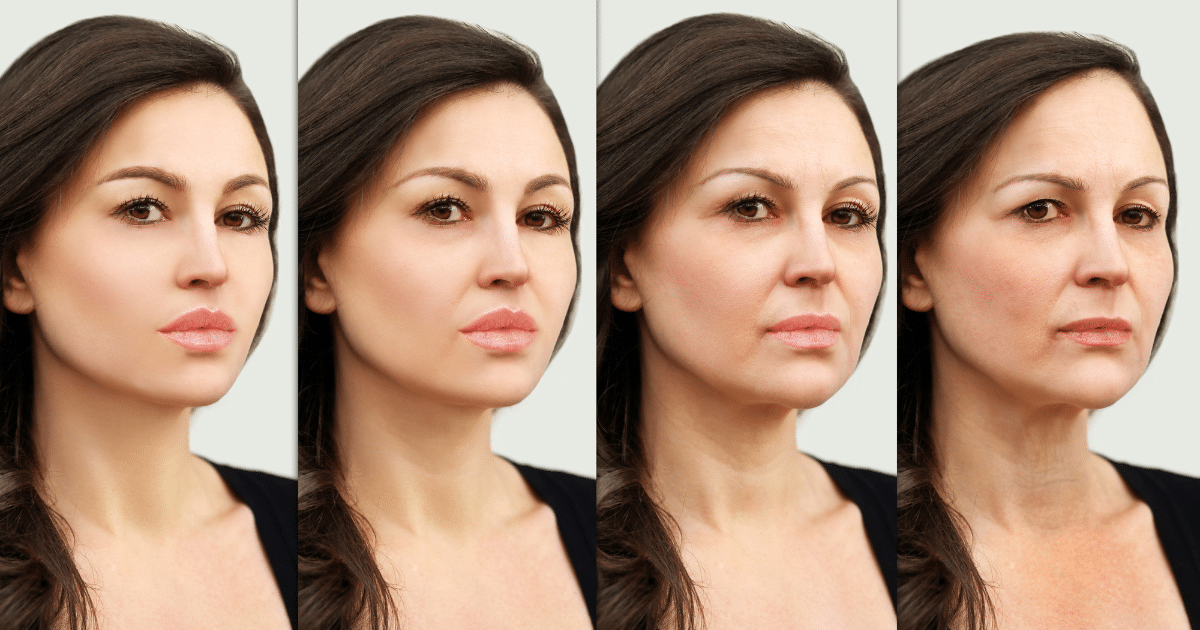
The “aging process” refers to the natural, progressive changes in our bodies over time that lead to a decline in function. Think of it less as a number and more as a biological journey. It’s a complex mix of genetics, your environment, and, most importantly, your lifestyle choices.
Experts at the National Institute on Aging (NIA) emphasize that while some parts of aging are unavoidable, our daily habits have a massive impact on the speed and severity of these changes. The focus is shifting from merely extending “lifespan” (how many years you live) to enhancing “healthspan,” which is the number of years you live in good health and with full function.
A key factor in this process is a concept called “inflammaging,” a state of chronic, low-grade inflammation that develops as we get older. This persistent internal stress is now seen as a major risk factor for many age-related conditions, making its management a critical part of any anti-aging strategy.
What Happens and Changes During the Aging Process?
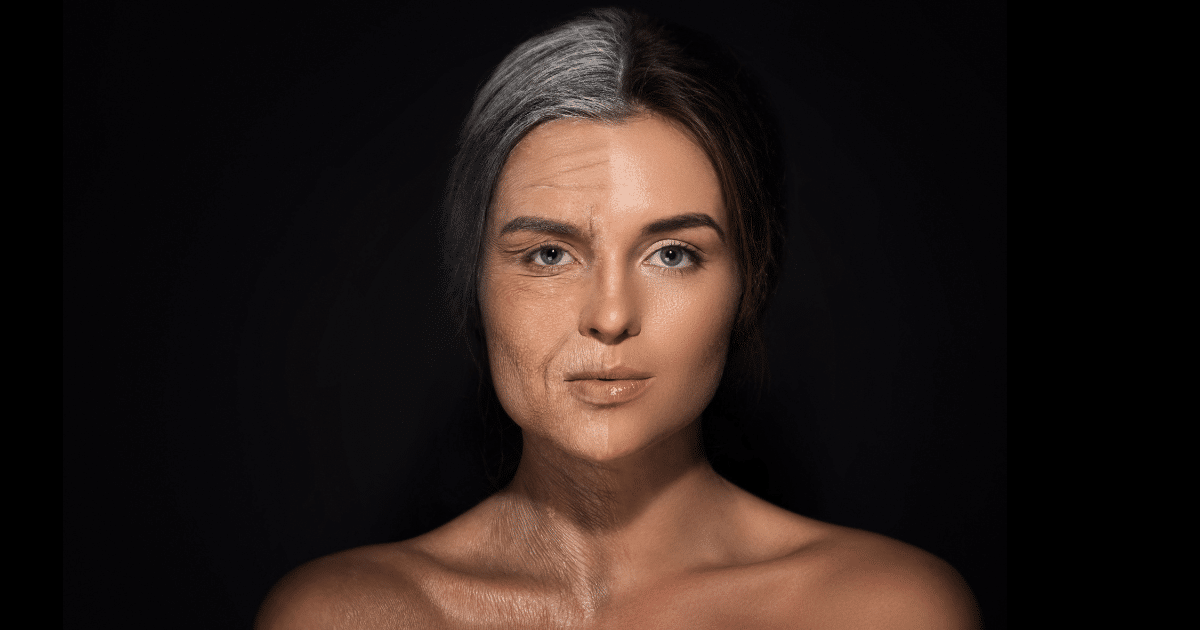
The aging process is a unique experience for everyone, but there are common biological changes that most of us will encounter. Understanding these changes helps you know where to focus your efforts.
- Cellular Changes: Your cells don’t replicate forever. A process called cellular senescence means they eventually stop dividing. At the same time, telomeres, the protective caps on your chromosomes, naturally shorten over time, which is a key marker of cellular aging.
- Muscle and Bone Changes: After age 30, adults can lose 3-5% of their muscle mass per decade if they are inactive. This condition, known as sarcopenia, reduces mobility and strength. Bones can also lose density, leading to osteoporosis and a higher risk of fractures.
- Cognitive and Sensory Changes: It’s normal for processing speed to slow down a bit. However, severe cognitive decline is not a normal part of aging and can be a sign of conditions like Alzheimer’s. Senses like vision and hearing may also diminish.
- Immune System Changes: The immune system can become less efficient, a state sometimes called immunosenescence. This contributes to that low-grade “inflammaging” and can make you more susceptible to infections.
- Metabolic and Hormonal Shifts: Your metabolism tends to slow down, which can make weight management more challenging. Hormones like estrogen, testosterone, and growth hormone naturally decline, impacting everything from energy levels to body composition.
It’s crucial to remember that lifestyle factors like diet and exercise can significantly influence every one of these changes. You have more control than you think.
Staying Active Can Help Naturally Fight Aging
As a fitness professional, I can tell you that exercise is the single most powerful tool we have to fight the aging process. It’s not just about burning calories; it’s about sending the right signals to your body at a cellular level. Research shows lifelong exercise can delay the onset of some 40 chronic conditions.
Related Article: Sea Moss — An Untapped Health Secret from the Sea?
The standard recommendation is 150 minutes of moderate-intensity activity each week. But what does that really mean? A Brigham Young University study found that high-intensity exercise, like running for 30-40 minutes five days a week, was linked to having a biological age that was nine years younger than sedentary individuals. High intensity means you are sweating and find it difficult to hold a conversation.
“Exercise is the best defense and repair strategy that we have to counter different drivers of aging,” says Nathan LeBrasseur, a leading aging researcher at the Mayo Clinic.
Build Muscle, Protect Your Bones
One of the most visible signs of aging is the loss of muscle mass, a condition called sarcopenia. Resistance training is your primary defense. Lifting weights or using resistance bands helps maintain lean muscle, which keeps your metabolism running efficiently and helps manage your weight.
This same type of weight-bearing exercise also strengthens your bones, directly combating osteoporosis. Even a small drop in body weight of 5-10% can significantly improve health markers like blood pressure, blood sugar, and cholesterol levels.
Related Article: Not All Pine Pollen Supplements Are Created Equal
Keep Your Brain Sharp
Regular aerobic exercise is one of the best things you can do for your brain. It works by boosting a protein called Brain-Derived Neurotrophic Factor (BDNF). Think of BDNF as fertilizer for your brain cells; it helps them grow, connect, and repair themselves.
Higher BDNF levels are linked to better memory and learning, and a lower risk of neurodegenerative diseases like Alzheimer’s. Even a 20-minute walk can start the process of increasing blood flow and protein production that supports cognitive function.
Maintain a Healthy Diet
The food you eat provides the building blocks for your entire body, and making smart choices is fundamental to fighting the aging process. A nutrient-dense diet gives you energy, helps you manage your weight, and directly combats the cellular damage that drives aging.

Adopt an Anti-Inflammatory Eating Style
Many experts now recommend the Mediterranean diet, which is consistently linked to longer life and lower rates of chronic disease. This eating style emphasizes whole, unprocessed foods and is naturally anti-inflammatory.
- Lean Proteins: Focus on chicken, turkey, and especially fatty fish like salmon and sardines. Fish is high in omega-3 fatty acids, which reduce inflammation and support brain health.
- Colorful Fruits & Vegetables: Berries, spinach, and kale are loaded with antioxidants. These compounds fight off free radicals, which are unstable molecules that damage cells. Blueberries, in particular, are packed with neuroprotective compounds that may help slow brain aging.
- Healthy Fats: Make extra virgin olive oil your primary fat. Avocados, nuts like walnuts, and seeds are also excellent sources that help protect your cells and reduce inflammation.
Reduce or Eliminate Pro-Aging Foods
Sugar is a major culprit in accelerating the aging process. When sugar combines with protein or fat in your bloodstream, it forms harmful compounds called Advanced Glycation End-products (AGEs). These compounds cause oxidative stress and inflammation, contributing to everything from wrinkles to chronic disease.
You can dramatically lower your AGEs intake by avoiding sugary drinks, pastries, candy, and processed foods. Cooking methods also matter. High-heat methods like grilling and frying create more AGEs, while lower-heat methods like steaming and boiling create fewer.
Beating Father Time and the Aging Process
While we can’t stop the clock, we absolutely have the power to influence how we experience the years. The choices you’ve made up to this point have shaped your current health, but the changes you start today will dictate your future vitality.
By implementing the strategies in this guide, you move from a passive passenger to an active driver in your health journey. Staying active, eating a nutrient-rich diet, and managing your lifestyle are the most effective tools you have to fight the aging process. Don’t wait, start making these powerful changes today.
Aging Process FAQs
What is the single most important thing to slow the aging process?
While a holistic approach is best, most research points to consistent physical activity as the most powerful anti-aging intervention. Exercise has multi-system benefits, impacting everything from cellular health and muscle mass to brain function and cardiovascular health.
Can you reverse the aging process?
You cannot reverse your chronological age, but you can absolutely influence your biological age. By adopting a healthy lifestyle, you can improve key health markers, repair cellular damage, and restore function, making your body perform as if it were younger. For example, a study showed high-intensity exercise could result in a biological age nine years younger than a person’s actual age.
What foods accelerate aging?
Foods high in sugar and those cooked at very high temperatures (like fried or grilled foods) accelerate aging. They contribute to the formation of harmful compounds called Advanced Glycation End-products (AGEs), which increase inflammation and cellular damage. Processed foods, sugary drinks, and refined carbohydrates are the biggest offenders.
How does sleep affect aging?
Sleep is critical for cellular repair and brain health. A lack of quality sleep (7-9 hours is recommended) is linked to accelerated brain aging, increased inflammation, and a higher risk of chronic diseases. A recent study from Oregon Health & Science University found that insufficient sleep was more strongly correlated with life expectancy than diet or exercise, second only to smoking.
Sources
- https://cfah.org/health/
- https://www.nhlbi.nih.gov/files/docs/guidelines/ob_gdlns.pdf
- https://www.mayoclinic.org/healthy-lifestyle/weight-loss/in-depth/metabolism/art-20046508
- https://www.health.harvard.edu/blog/regular-exercise-changes-brain-improve-memory-thinking-skills-201404097110
- https://www.webmd.com/healthy-aging/features/cm/longevity-foods#1


*Disclosure: This article may contain affiliate links or ads, which means we earn a small commission at no extra cost to you if you make a purchase through these links. These commissions help support the operation and maintenance of our website, allowing us to continue producing free valuable content. Your support is genuinely appreciated, whether you choose to use our links or not. Thank you for being a part of our community and enjoying our content.
PLEASE CONSIDER SHARING THIS ON YOUR SOCIAL MEDIA TO HELP OTHERS LEARN MORE ABOUT THIS TOPIC.