
How Lack of Sleep Hinders Coping Skills and Decision Making
Feeling sharp and making smart choices starts with something surprisingly simple: a great night’s sleep. As a certified strength and conditioning coach and sports nutritionist, I’ve seen firsthand how proper rest transforms performance, not just in the gym, but in everyday life. Lack of sleep can be a major reason why you aren’t seeing the results you’re looking for.
We now know more than ever about sleep’s vital role in nearly every bodily function. Yet, in our fast-paced world, many of us are getting less of it. This isn’t just making us tired; it’s a serious issue for our well-being.
The Centers for Disease Control and Prevention (CDC) has flagged the high rate of sleeping disorders as a major public health concern. Data updated by the CDC in June 2024 shows that about one-third of U.S. adults are not getting the recommended seven hours of sleep. This widespread lack of sleep has significant consequences.
Chronic lack of sleep doesn’t just increase the risk of obesity and diabetes; it’s also linked to high blood pressure, weight gain, and heart disease. Beyond the physical, it deeply affects our mental health, impacting our decision-making and ability to cope with daily challenges.
Related Article: Zylaria — A Sleep Aid with Benefits for Immunity and Longevity
This guide will break down exactly how a lack of sleep hinders your brain health, giving you the science-backed reasons to prioritize your rest.
Disclaimer: This article is for informational purposes only and is not meant to treat or diagnose any condition. It is recommended that you speak with your doctor before starting any exercise program, changing your daily nutrition, or adding any supplements to your regimen.
Table of contents
Key Takeaways
- A lack of sleep significantly impairs the prefrontal cortex, the brain’s hub for decision-making, leading to riskier choices and poor judgment.
- Sleep deprivation causes the amygdala, your brain’s emotional center, to become over 60% more reactive, resulting in heightened irritability and mood swings.
- Crucial sleep stages, particularly REM sleep, are vital for processing emotional memories and regulating your mood for the next day.
- Prioritizing at least seven hours of quality sleep is one of the most effective strategies for improving both your mental health and cognitive performance.

Lack of Sleep and Decision Making
A lack of sleep directly harms your decision-making by impairing your brain’s prefrontal cortex, the region responsible for executive functions like reasoning, impulse control, and problem-solving. When you’re tired, this critical part of your brain essentially goes offline.
You’ve probably heard the advice to “sleep on it” before making a big choice. That’s not just an old saying, it’s sound neurological advice. Research consistently shows that sleep-deprived individuals make more mistakes and have slower reaction times. Your brain’s synapses simply don’t fire as efficiently when you haven’t had enough rest.
Think of it this way: the well-rested you is like a brand new shiny laptop with maximum processing power. The sleep-deprived you is like an old, overheating computer, it might turn on, but it struggles to handle complex tasks.
A 2023 study published in the European Corporate Governance Institute found that insufficient sleep leads to increased reliance on heuristic thinking, making people more likely to engage in risky financial behavior. This can manifest as impulse purchases or poor investment choices.
When your tired brain confronts a choice, it defaults to the easiest option, not necessarily the best one. This is why you might find yourself grabbing junk food instead of cooking a healthy meal after a poor night’s sleep. Your brain lacks the energy for careful consideration.
The impact is more significant than you might think. Studies have shown that cognitive performance after being awake for extended periods can be equivalent to being legally drunk. We all know that alcohol leads to questionable decisions, and a severe lack of sleep puts your brain in a similarly impaired state.
Poor Sleep and Coping Skills
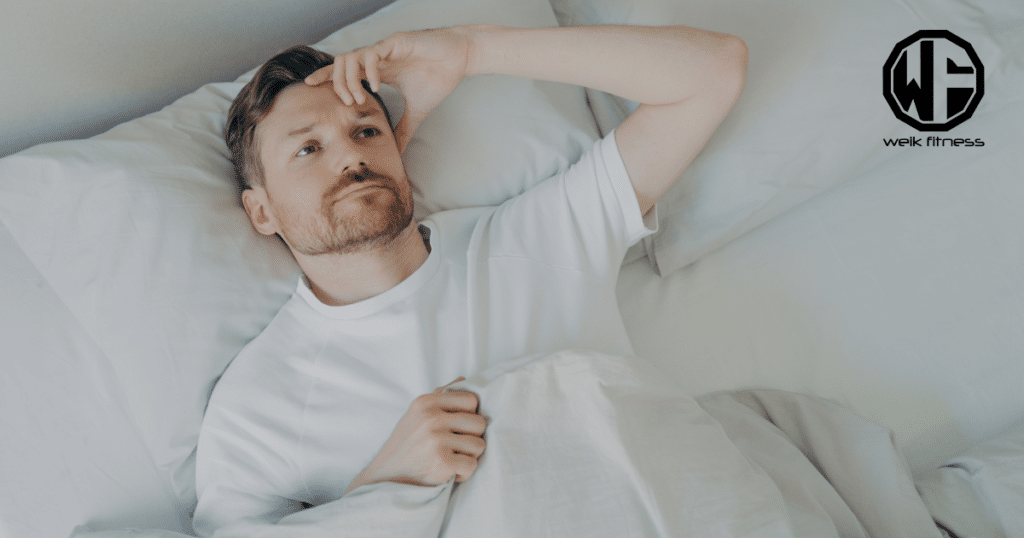
Your ability to cope with stress and regulate your emotions is directly tied to the quality of your sleep. The key player here is a small, almond-shaped part of your brain called the amygdala, your emotional control center.
When you are well-rested, the amygdala is regulated by the prefrontal cortex, the logical part of your brain. This connection keeps your emotional responses balanced. However, a lack of sleep weakens this connection, letting your amygdala run wild. This is why you might feel irritable, anxious, or quick to anger when you’re tired.
The science on this is clear. A landmark study led by Professor Talma Hendler at Tel Aviv University demonstrated this effect powerfully. Researchers showed two groups, one sleep-deprived and one well-rested, a series of negative images. MRI scans revealed the amygdalas of the sleep-deprived participants were 60% more reactive to the images.
This explains why minor frustrations can feel like major crises when you haven’t slept enough. Your brain is literally processing them with more emotional intensity.
Why REM Sleep is Crucial for Emotional Health
Not all sleep is created equal when it comes to managing emotions. Rapid Eye Movement (REM) sleep is especially important for processing emotional experiences from the day. During REM, your brain works to consolidate memories and dial down the emotional charge associated with them, helping you start the next day with a cleaner slate.
If you get poor quality and quantity of our sleep, you likely miss out on this critical restorative process. Modern sleep trackers can provide valuable insights into your sleep cycles.
- Oura Ring: This device offers detailed sleep analysis, including time spent in REM, deep, and light sleep, helping you understand your sleep architecture.
- WHOOP 4.0: Popular with athletes, this tracker provides a daily recovery score based on sleep performance, resting heart rate, and heart rate variability, linking your sleep directly to your readiness for the day.
- Ultrahuman Ring AIR: This tracker provides in-depth data on sleep stages and offers actionable advice to improve metrics like your recovery score.
By understanding your sleep patterns, you can make targeted changes to improve your emotional resilience and coping skills. The better you sleep, the more balanced your emotional responses will be.

FAQs About Lack of Sleep
How does lack of sleep affect my brain health long-term?
Chronic lack of sleep is linked to serious long-term issues. Emerging evidence suggests it may contribute to an increased risk for cognitive decline and neurodegenerative diseases. Sleep is when your brain performs critical maintenance, like clearing out toxins that build up during waking hours.
Can I “catch up” on sleep over the weekend?
While sleeping in on weekends can help reduce some of the immediate sleep debt, it doesn’t fully reverse the effects of chronic sleep loss. A 2021 study showed that while some functions improve, reaction time and attention can remain impaired. A consistent sleep schedule is far more effective for optimal brain health.
What is the most important change I can make for better sleep?
Consistency is key. Going to bed and waking up around the same time every day, even on weekends, helps regulate your body’s internal clock, or circadian rhythm. This makes it easier to fall asleep and wake up, improving the overall quality of your rest.
I hope this information helps you take your sleep more seriously. A good night’s rest is not a luxury, it’s essential for your physical and mental health. Prioritizing it will sharpen your decision-making and improve your ability to handle whatever life throws your way.
Now, go get some quality rest!


*Disclosure: This article may contain affiliate links or ads, which means we earn a small commission at no extra cost to you if you make a purchase through these links. These commissions help support the operation and maintenance of our website, allowing us to continue producing free valuable content. Your support is genuinely appreciated, whether you choose to use our links or not. Thank you for being a part of our community and enjoying our content.
PLEASE CONSIDER SHARING THIS ON YOUR SOCIAL MEDIA TO HELP OTHERS LEARN MORE ABOUT THIS TOPIC.