
5 Reasons Your Healthy Salad Could Be Making You Gain Weight
You’ve been told for years that the key to losing weight is to eat more salads. But what if the very thing you think is helping is actually causing the number on the scale to creep up? Could a healthy salad be making you fat?
It sounds frustrating, but it’s a common problem. As a certified sports nutritionist and personal trainer, I’ve seen countless clients get derailed by so-called “healthy” meals. The truth is, a healthy salad can quickly become a high-calorie trap if you aren’t careful.
This guide will show you how to build a truly healthy salad that works for your weight-loss goals, not against them. We’ll uncover the five most common mistakes and give you the simple, actionable swaps you need to make your next salad both delicious and effective.
Disclaimer: This article is for informational purposes only and is not meant to treat or diagnose any condition. It is recommended that you speak with your doctor before starting any exercise program, changing your daily nutrition, or adding any supplements to your regimen.
Table of contents
Key Takeaways
- Dressing Danger: Creamy, store-bought dressings can add hundreds of hidden calories. Opt for vinaigrettes or make your own, and always get it on the side when eating out.
- Crunchy Culprits: Traditional croutons are often fried and made from processed flour, offering little nutritional value. Swap them for nuts, seeds, or roasted chickpeas for a healthier crunch.
- Protein is Power: Skipping protein will leave you hungry and unsatisfied. Adding lean protein like chicken, fish, or beans makes your salad a complete meal that keeps you full.
- Cheese Wisely: Cheese adds flavor but is high in fat and calories. Use a small amount of a strong-flavored cheese like feta or Parmesan instead of piling on milder cheeses.
- Beware of Toppings: Restaurant salads loaded with things like candied nuts, tortilla strips, and dried fruit can have more calories than a burger. Pay close attention to every ingredient.
Reasons Why Your Healthy Salad Could Be Making You Fat
Below are five key reasons why your healthy salad is making you gain weight.
1. You Don’t Pay Attention to Your Salad Dressing
The dressing is easily the biggest culprit turning a healthy salad into a diet disaster. The two main things to focus on are the type of dressing you use and, more importantly, the amount.
Many people assume “fat-free” dressings are the healthier choice, but this is a classic mistake. To replace the flavor from fat, manufacturers often load these dressings with sugar and high-fructose corn syrup. A standard two-tablespoon serving of a creamy ranch or blue cheese dressing can easily add 150 calories and 15 grams of fat. Since most people pour on much more, you could be adding the fat equivalent of a cheeseburger and fries to your greens.
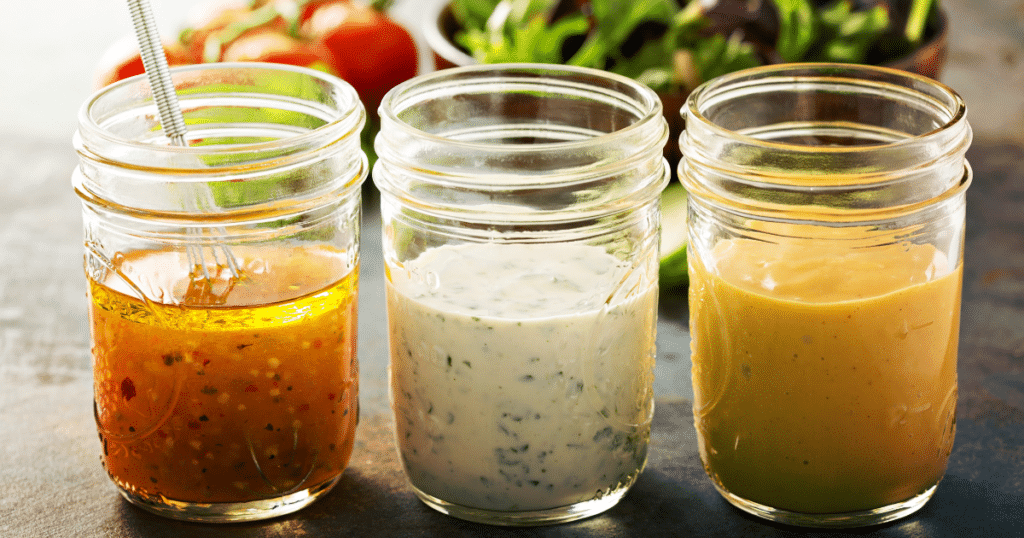
A little healthy fat, like that found in an olive oil-based vinaigrette, is actually beneficial. It helps your body absorb the fat-soluble vitamins (A, D, E, and K) found in the vegetables. Plus, fat contributes to satiety, helping you feel full and preventing overeating later.
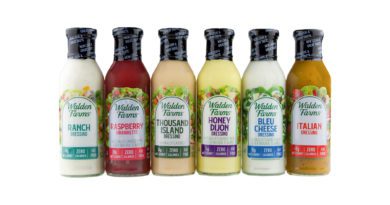
Pro Tip: When you’re eating out, always ask for the dressing on the side. This puts you in control of how much you use. A great brand to look for in stores is Walden Farms, which offers zero-calorie options, or try a low-calorie vinaigrette from Bolthouse Farms, which has only 25 calories per serving. You can also look into healthier “fat-free” versions if you must.
RELATED: How to Easily Make Healthier Choices Ordering at Restaurants
2. Adding Croutons
That satisfying crunch from croutons comes at a cost. Most store-bought croutons are made from processed white flour, fried in unhealthy oils, and loaded with sodium. They add empty calories and very little nutrition to your healthy salad.
Instead of those oily bread cubes, you can get a better, healthier crunch from other sources.
- Roasted Chickpeas: A fantastic source of fiber and protein, you can buy these pre-seasoned or make them yourself. A half-cup serving offers a satisfying crunch with a major nutritional boost.
- Nuts and Seeds: A small handful of almonds, walnuts, or sunflower seeds adds healthy fats, protein, and texture. Just be mindful of portion size, as they are calorie-dense.
- Toasted Quinoa: For a unique, light crunch, toast some cooked quinoa in the oven. It adds a nutty flavor and complete protein.
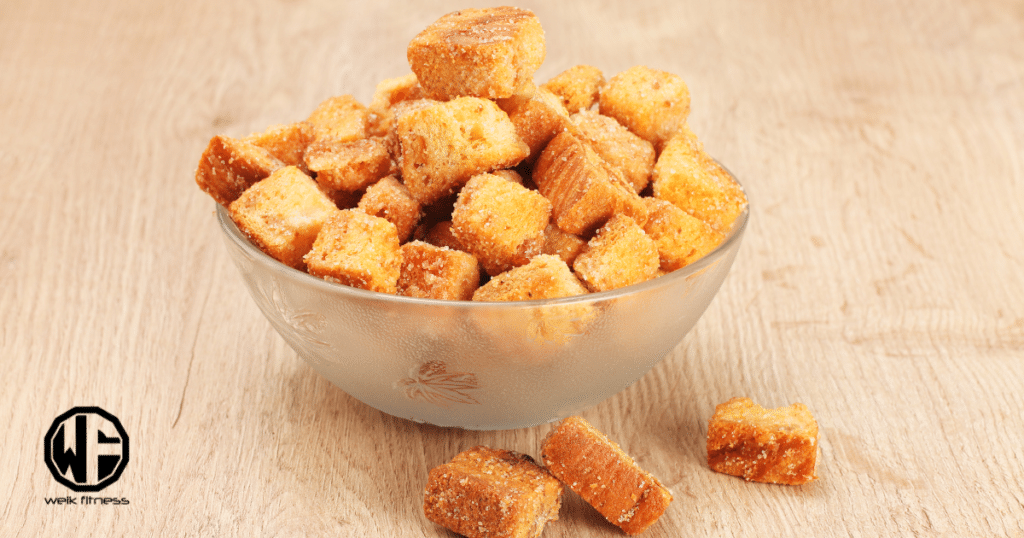
If you absolutely love croutons, consider a protein-packed alternative like those from Shrewd Food Protein Croutons. When you’re at a restaurant, simply ask them to hold the croutons. It’s an easy request that saves you a surprising number of calories.
3. Skipping Protein in Your Healthy Salad
A salad made of only lettuce and vegetables is mostly water and fiber. While nutritious, it won’t keep you full for long, leading to snacking and overeating later in the day. Adding a solid source of protein is non-negotiable for turning your salad into a complete, satisfying meal.
Protein is essential for building and maintaining muscle, and it also has the highest thermic effect of food (TEF). This means your body burns more calories digesting protein compared to fats and carbs. My experience has shown that aiming for at least 20-30 grams of protein in your meal salad is the sweet spot for satiety and muscle support.

Here are some excellent protein choices:
- Grilled Chicken Breast: A 3-ounce serving provides about 27 grams of high-quality, lean protein.
- Salmon or Tuna: These fish add protein and heart-healthy omega-3 fatty acids. A 3-ounce serving of salmon has around 22 grams of protein.
- Legumes: A 3/4-cup serving of chickpeas (garbanzo beans) adds about 11 grams of protein and a healthy dose of fiber. Black beans are another great option.
- Hard-Boiled Eggs: One large egg contains about 6 grams of protein, making two a great addition to boost your intake.
- Tofu or Edamame: For a plant-based option, a 3/4-cup of shelled edamame adds nearly 14 grams of complete protein.
4. Using Too Much Cheese
Cheese can be a delicious part of a healthy salad, but it’s also a significant source of calories and saturated fat. It’s incredibly easy to go overboard, especially with shredded cheeses that restaurants tend to pile on.
The key is to choose a flavorful cheese where a little goes a long way. Instead of a large handful of mild cheddar, opt for a smaller, measured portion of a cheese with a stronger taste.
Here’s a quick comparison of popular cheeses per one-ounce serving (about the size of a pair of dice):
| Cheese Type | Calories (per 1 oz) | Fat (grams) |
|---|---|---|
| Feta | ~75 | 6g |
| Goat Cheese | ~75 | 6g |
| Mozzarella (Part-Skim) | ~72 | 4.5g |
| Cheddar | ~115 | 9g |
| Blue Cheese | ~100 | 8g |
As you can see, choosing feta or goat cheese gives you robust flavor for fewer calories than cheddar. When making a salad at home, measure your cheese. When ordering out, you can always ask for light cheese or skip it entirely.
RELATED: 11 Ways to Survive Eating Out Without Gaining Weight
5. The Type of Salad Matters (They’re Not All Created Equal)
Not all salads are created equal, especially when you’re dining out. Many restaurant salads are designed for flavor first, not health. They can be loaded with ingredients that send the calorie count skyrocketing.
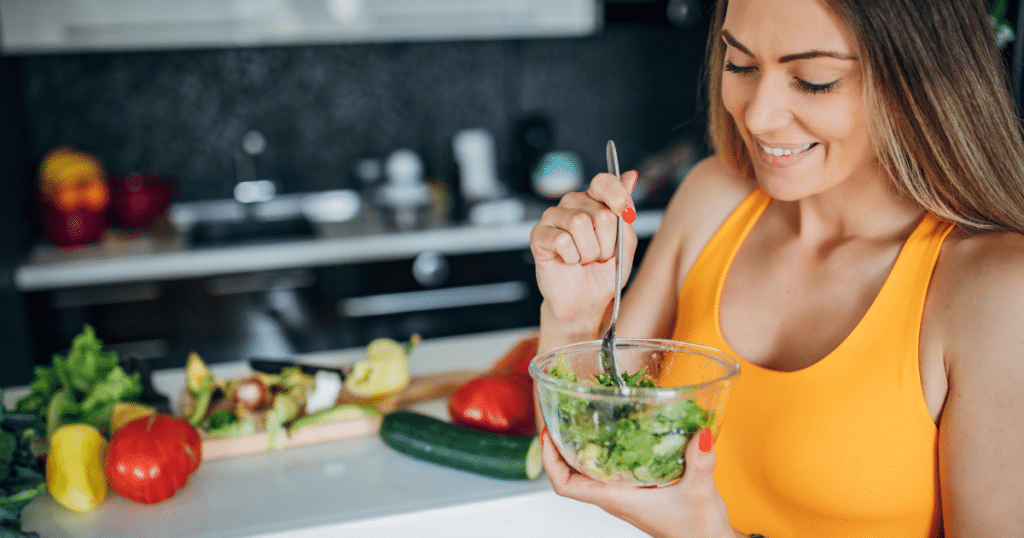
Ingredients like crispy wonton strips, glazed nuts, dried fruit, tortilla strips, and processed meats are common offenders. For example, the Fuji Apple Chicken Salad at Panera Bread contains 560 calories, with a significant portion coming from the sweet vinaigrette and apple chips. Similarly, Applebee’s Oriental Chicken Salad can pack a shocking 1,570 calories, largely due to the fried chicken, crispy noodles, and sugary dressing.
A simple rule of thumb: If the description includes words like “crispy,” “crunchy,” “candied,” or “creamy,” take a closer look at the ingredients. Often, these are code for fried and sugar-laden toppings.
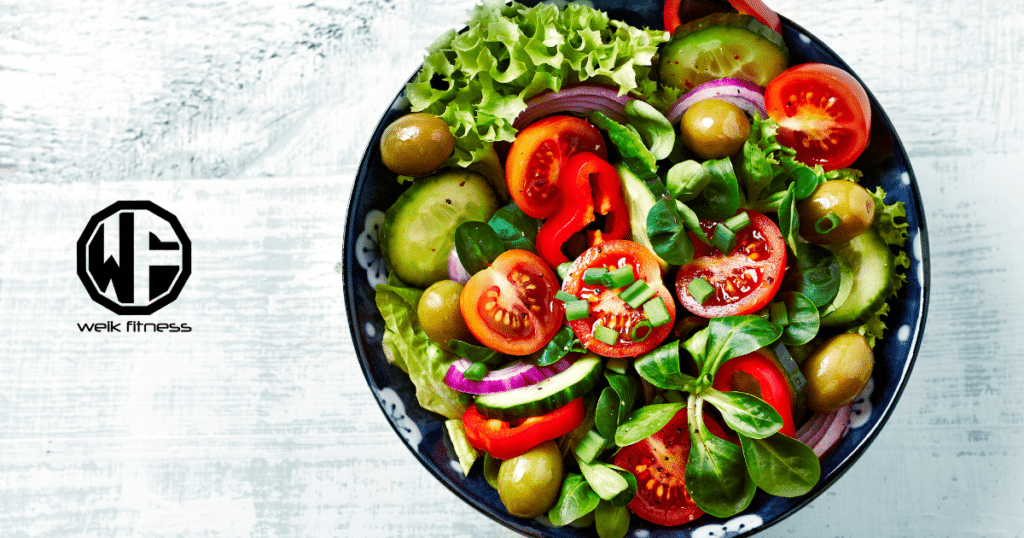
To build a better salad, focus on a base of dark, leafy greens and load it up with a variety of raw or steamed vegetables like tomatoes, cucumbers, bell peppers, and broccoli. These add volume, fiber, and nutrients for very few calories, helping you feel fuller on less.
BONUS TIP!
If you’re packing a healthy salad to go, a couple of simple tricks will keep it fresh and crisp. First, always wash and thoroughly dry your greens before packing them. A salad spinner is your best friend here. Wet leaves will quickly become limp and unappetizing.
Second, never dress your salad until you are ready to eat. Packing the dressing in a separate small container is the most important step. Adding it early will wilt the greens, turning your beautiful, crunchy meal into a soggy mess.
Healthy Salad FAQs
1. How many calories should be in a healthy salad for weight loss?
For a main meal, a good target is between 400 to 500 calories. This allows enough room for a satisfying portion of lean protein (at least 15-20g), healthy fats, and plenty of vegetables, ensuring the salad keeps you full without exceeding your calorie goals.
2. Is a Caesar salad a healthy choice?
Typically, no. A traditional Caesar salad is high in fat and calories due to the creamy dressing, Parmesan cheese, and croutons. A restaurant-sized chicken Caesar salad can easily top 700 calories. To make it healthier, ask for grilled chicken, dressing on the side (and use it sparingly), and skip the croutons.
3. Are taco salads good for weight loss?
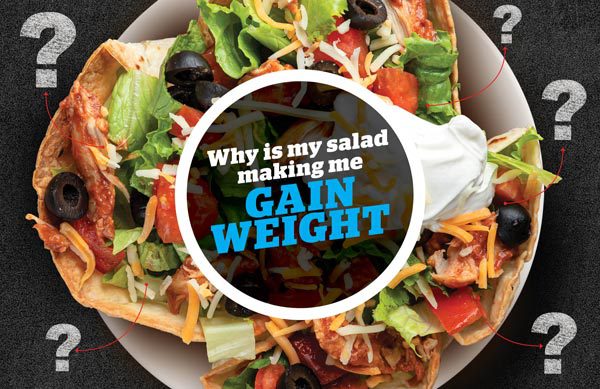
Taco salads can be very deceptive. Those served in a fried tortilla shell can contain over 800 calories. Other high-calorie additions include ground beef, cheese, sour cream, and creamy dressings. To make it a healthier choice, skip the shell, use lean protein like grilled chicken or black beans, load up on fresh salsa instead of creamy dressing, and ask for light cheese and no sour cream.

*Disclosure: This article may contain affiliate links or ads, which means we earn a small commission at no extra cost to you if you make a purchase through these links. These commissions help support the operation and maintenance of our website, allowing us to continue producing free valuable content. Your support is genuinely appreciated, whether you choose to use our links or not. Thank you for being a part of our community and enjoying our content.
PLEASE CONSIDER SHARING THIS ON YOUR SOCIAL MEDIA TO HELP OTHERS LEARN MORE ABOUT THIS TOPIC.