
Strategies for Dealing with Hand Pain During and After Exercise
If you suffer from hand pain after exercise, you’re not alone.
Your hands are essential for nearly everything you do, especially during a workout. They grip the weights, provide balance, and generate power. As a certified strength coach with over two decades of experience, I know that when your hands hurt, your entire routine suffers.
Persistent pain and stiffness can sideline your progress, affecting grip strength and making simple tasks feel monumental.
Understanding what’s behind your hand pain is the first step to fixing it. This guide will break down the common causes I see with my clients and give you actionable strategies for dealing with hand pain, so you can get back to training effectively and safely.
Disclaimer: This article is for informational purposes only and is not meant to treat or diagnose any condition. It is recommended that you speak with your doctor before starting any exercise program, changing your daily nutrition, or adding any supplements to your regimen.
Table of Contents
Key Takeaways
- Hand pain during exercise often stems from underlying conditions like arthritis, overuse injuries such as Carpal Tunnel Syndrome, or simple fatigue.
- Identifying the specific cause, whether it’s inflammation from arthritis or a repetitive strain injury, is crucial for effective treatment.
- Strategies for relief include a mix of immediate care like ice and heat, supportive bracing, targeted stretching, and preventative measures like using proper gear.
- Consulting a doctor is essential for severe or persistent pain to get an accurate diagnosis and avoid long-term damage.
Arthritis
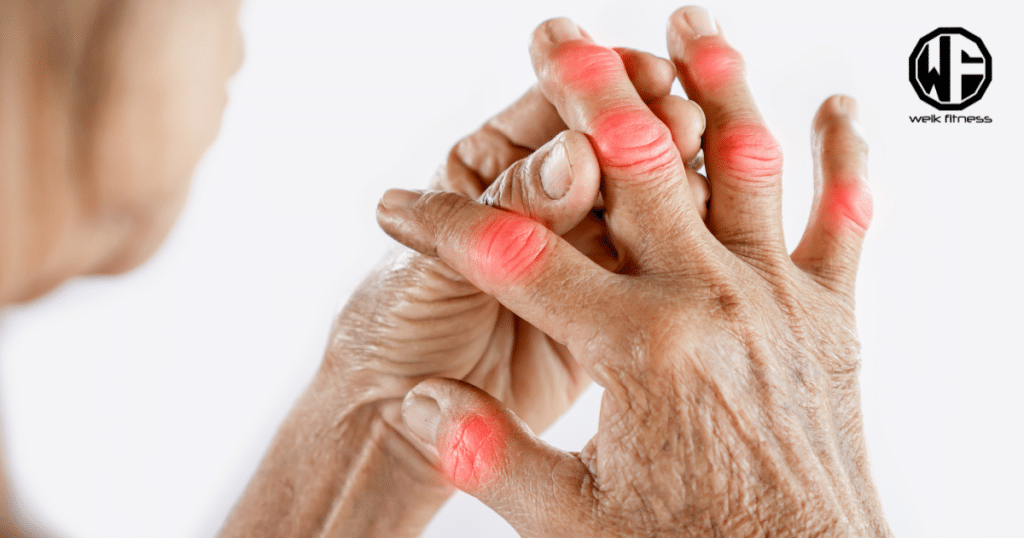
Arthritis is a primary cause of hand pain, describing joint pain or disease that can wear down the vital cartilage cushioning your bones. The Centers for Disease Control and Prevention reports that one in four U.S. adults has some form of arthritis, and it can significantly impact your training. Since each hand has numerous joints, arthritis here becomes a major hurdle.
The most common type affecting the hands is osteoarthritis, where cartilage degenerates over time. This leads to pain, especially in the joints at the base of the thumb and the tips of the fingers. In my experience, lifters often notice it as a deep ache after a heavy grip session.
Beyond cartilage wear, you might experience other debilitating symptoms around your hand joints, including:
- Inflammation
- Swelling
- Stiffness
Injury
The repetitive movements in exercise are great for conditioning your body, but they can also lead to overuse or overexertion injuries in your hands. This happens when unnecessary stress is placed on the tissues and joints. According to a 2020 study, injuries to the hands and wrists represent up to 9% of all athletic injuries.
A few of the most common overuse injuries I see are:
- Tendon Pain: Often called tendinitis, this is inflammation of the tendons from repetitive stress.
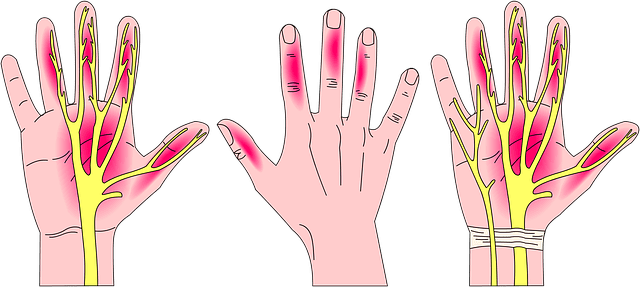
- Carpal Tunnel Syndrome: This condition involves compression of the median nerve in the wrist, causing numbness, tingling, and pain, which can be worsened by lifting.
- Trigger Finger: This is a condition where a finger gets stuck in a bent position due to inflammation of the tendon sheath.
- De Quervain’s Tenosynovitis: Painful inflammation of the tendons on the thumb side of the wrist.

You could also experience acute injuries like fractures or dislocations. These present with sudden, sharp hand pain and require immediate medical attention. If you suspect a fracture, stop your workout immediately to prevent further damage.
Fatigue
Fatigue can directly cause hand pain or put you at a higher risk of injury. When your hand and forearm muscles are tired, your grip strength fails. This breakdown in form makes you much more likely to get hurt.
Pushing to failure when you already feel fatigue in your hands and forearms is a direct path to developing overuse conditions. From my experience as a coach, this is often when a lifter’s form deteriorates, placing excessive strain on joints and tendons instead of the targeted muscles. Recognizing the signs of grip fatigue is key to preventing injury and ensuring your lifts are both safe and effective.
De Quervain’s Tenosynovitis and Hand Pain
De Quervain’s Tenosynovitis is a particularly painful condition affecting the two tendons that run along the thumb side of your wrist. Inflammation of the tendon sheath makes it painful to turn your wrist, make a fist, or grasp objects.
While the exact cause isn’t always known, it’s often aggravated by repetitive hand and wrist motions, common in sports like golf and tennis, and weightlifting. A simple diagnostic tool a doctor might use is the Finkelstein test, where you make a fist with your thumb tucked inside and then bend your wrist toward your little finger. Pain during this maneuver is a strong indicator of the condition.
Symptoms of De Quervain’s Tenosynovitis include:
- Swelling and pain near or at the base of the thumb.
- Difficulty moving your wrist and thumb when pinching or grasping.
- A “catching” or “sticking” sensation when you move your thumb.
Strategies for Dealing with Your Hand Pain
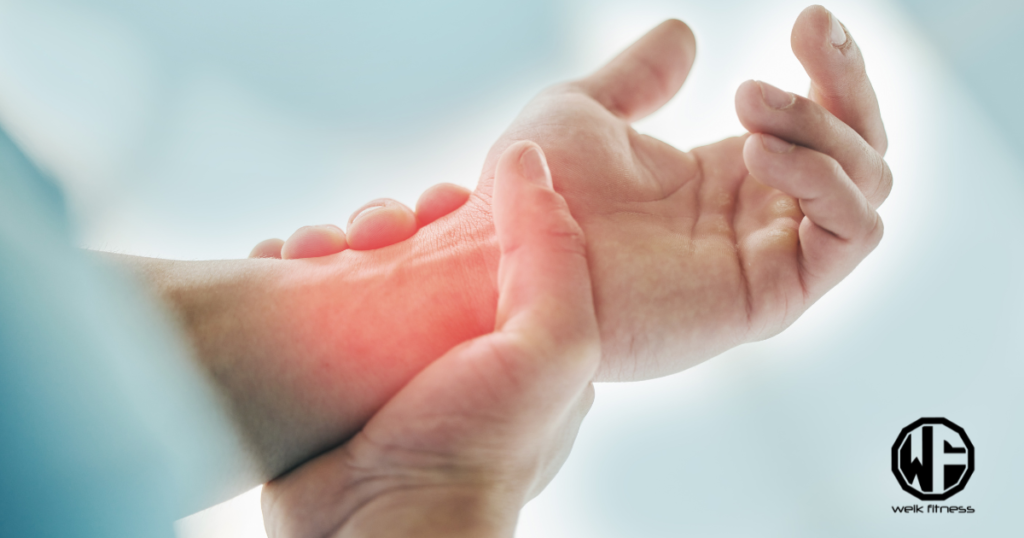
You should always discuss sudden, severe, or lasting pain with your doctor for a proper diagnosis. However, for manageable hand pain, there are effective solutions you can use at home.
Related Article: Make Popeye Jealous — The Best Forearm Workouts with Dumbbells
Immediate Relief at Home
Applying cold and heat can significantly reduce stiffness and inflammation. For acute pain and swelling, use a cold pack for 15-20 minutes at a time. For chronic stiffness, a heating pad can help relax the muscles. Elevating your hand above your heart can also help reduce swelling. Combining these methods with a nonsteroidal anti-inflammatory drug (NSAID) like ibuprofen (Advil, Motrin) or naproxen (Aleve) can be an effective self-care strategy.
Support and Bracing
For conditions like arthritis or carpal tunnel, orthotics such as braces provide crucial support. Bracing an injured thumb with a thumb spica splint, or supporting the wrist for carpal tunnel, relieves tension on the affected area. This stabilization not only reduces pain but also promotes the healing of damaged tissues.
Hand Stretches and Strengthening Exercises
Simple stretching exercises can build grip strength and improve flexibility. These movements strengthen the tendons and muscles, helping them better absorb stress. If your pain persists, a physical or occupational therapist can provide expert guidance.
Here are a few effective exercises you can try:
- Wrist Flexor Stretch: Extend your arm with your palm up. Gently pull your fingers down and back with your other hand. Hold for 15-30 seconds.
- Wrist Extensor Stretch: Extend your arm with your palm down. Gently press the back of your hand down. Hold for 15-30 seconds.
- Grip Strengthening: Squeeze a soft rubber ball or stress ball and hold for five seconds. Repeat 10 times.
Prevention and Gear Adjustments
The best strategy is always prevention. Maintaining proper form is critical; always keep your wrists straight and aligned with your forearms during exercises. For pushing movements like push-ups or bench presses, this neutral position is the most stable for your wrists. Additionally, consider using supportive gear.
- Padded Gloves: For exercises like push-ups or yoga where you bear weight on your hands, padded gloves like WAGS (Wrist Assured Gloves) can provide cushioning and reduce the angle of wrist extension.
- Lifting Straps: If you experience pain during pulling exercises like deadlifts or rows, lifting straps can reduce the grip strength required, taking stress off your hands and wrists.
FAQs About Hand Pain
When should I see a doctor for my hand pain?
You should see a doctor if you experience severe, sudden pain, or if the pain persists for more than a week despite home treatment. Dr. Scott Wein, a hand specialist, advises seeking care if you have visible bruising, are unable to rotate your wrist, or your pain level is high. Prompt diagnosis can prevent long-term issues.
Can lifting straps or gloves really help prevent hand pain?
Yes, they can be very effective. Lifting straps reduce the amount of force your hands need to generate for heavy pulling exercises, which can prevent overuse injuries. Padded gloves cushion the hand and help maintain a more neutral wrist position during weight-bearing exercises, which reduces strain.
Are hand grippers a good way to strengthen my hands?
Hand grippers can be a useful tool for improving overall grip strength. However, it’s important to balance squeezing exercises with extensor exercises, like opening your hand against a rubber band. This ensures you strengthen all the muscles in your hands and forearms, preventing imbalances that could lead to injury.


*Disclosure: This article may contain affiliate links or ads, which means we earn a small commission at no extra cost to you if you make a purchase through these links. These commissions help support the operation and maintenance of our website, allowing us to continue producing free valuable content. Your support is genuinely appreciated, whether you choose to use our links or not. Thank you for being a part of our community and enjoying our content.
PLEASE CONSIDER SHARING THIS ON YOUR SOCIAL MEDIA TO HELP OTHERS LEARN MORE ABOUT THIS TOPIC.