

Easy Treatments For Everyday Pain
Dealing with everyday pain from sore muscles or mild arthritis is a common problem, but relying on prescription pain pills isn’t the only option. In fact, with recent data showing that nearly 8.6 million Americans misused prescription opioids last year, finding safer alternatives is more important than ever.
Those persistent aches can be a serious distraction, whether you’re at work, on a weekend trip, or celebrating with family.
As a certified strength and conditioning coach with years of experience helping people move better, I’ve seen firsthand how simple, targeted strategies can offer powerful relief. You don’t always need to reach for a pill to manage everyday pain.
This guide will show you practical, evidence-based ways to treat common pain in your neck, knees, and back, so you can get back to your life with confidence.
Disclaimer: This article is for informational purposes only and is not meant to treat or diagnose any condition. It is recommended that you speak with your doctor before starting any exercise program, changing your daily nutrition, or adding any supplements to your regimen.
Table of contents
Key Takeaways
- Understand the Cause: Everyday pain often stems from correctable issues like poor posture, muscle strain, or overuse. Identifying the root cause is the first step toward effective relief.
- Movement is Medicine: Gentle, consistent movement through targeted stretches and exercises is crucial for pain management. For back pain, a 2024 study in *The Lancet* showed that walking 30 minutes a day can significantly reduce recurrences.
- Master Hot and Cold Therapy: Use ice for the first 48 hours after an acute injury to reduce swelling. After that, switch to heat to relax muscles and improve blood flow.
- Strengthen Your Core: A strong core acts as a natural brace for your spine. Simple exercises like planks and bird-dogs can build stability and prevent back pain.
- Ergonomics Matter: Simple adjustments to your workspace, like positioning your computer monitor at eye level, can prevent “tech neck” and reduce strain on your neck and back.
What Causes Everyday Pain in the Neck, Knees, and Back?
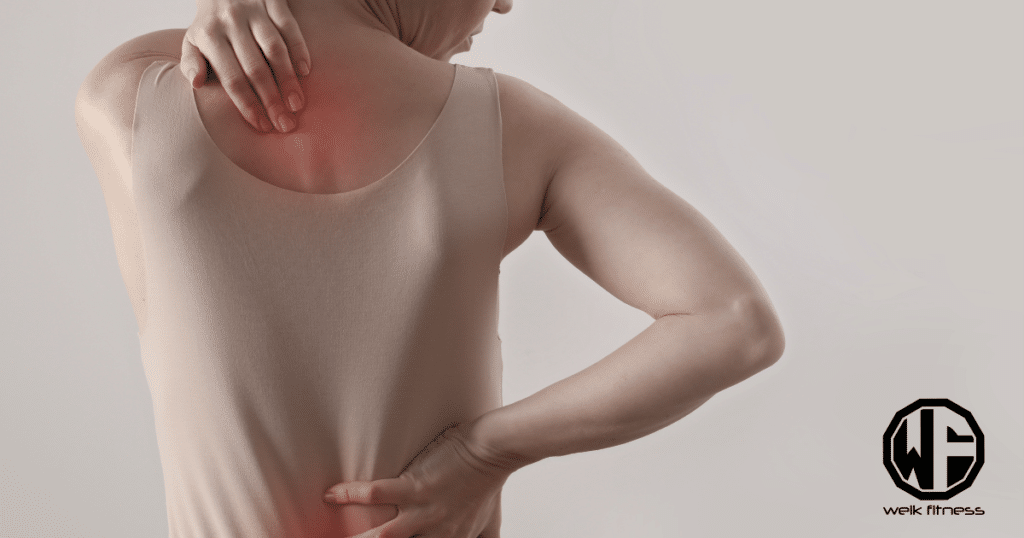
Pain in your neck, knees, and back can originate from a variety of sources, and it’s something you should never ignore. While individual experiences differ, many common culprits are tied directly to our daily habits.
Everyday Pain in the Neck
One of the most frequent causes of neck pain today is “tech neck.” This condition arises from the strain placed on your neck muscles by constantly looking down at phones, tablets, and laptops. For every inch your head shifts forward, it adds about 10 pounds of pressure to your neck muscles.
Other common causes include:
- Muscle Strain: Overuse, poor posture while sitting, or even sleeping in an awkward position can lead to strained neck muscles.
- Worn Joints: Like other joints, the neck joints can wear down with age. Osteoarthritis in the neck, known as cervical spondylosis, causes the cartilage to deteriorate.
- Nerve Compression: Herniated discs or bone spurs in the vertebrae of your neck can press on the nerves branching out from the spinal cord, causing pain.
- Whiplash: This injury, often from car accidents, involves a rapid back-and-forth motion of the head that strains the neck’s soft tissues.
Everyday Pain in the Knees
Knee pain affects about 25% of adults in the U.S. and is often caused by injury, overuse, or arthritis. Because the knee is the largest joint and supports much of your body weight, it’s particularly susceptible to strain.
- Osteoarthritis: This is the most common cause, where the protective cartilage in the knee wears down over time.
- Tendonitis: Repetitive stress, common in activities like running or basketball, can lead to inflammation of the tendons, such as patellar tendonitis, also known as “runner’s knee.”
- Bursitis: Inflammation of the small, fluid-filled sacs called bursae that cushion the knee joint can cause pain and swelling.
- Injuries: Acute trauma can result in ligament tears (like the ACL), meniscus tears, or fractures.
- Excess Weight: Carrying extra body weight significantly increases pressure on the knee joints, which can worsen pain from other conditions.
Everyday Pain in the Back
Lower back pain is a massive global issue, affecting an estimated 619 million people in 2020. The World Health Organization identifies it as the single leading cause of disability worldwide. Often, it’s not due to a serious condition but rather the result of daily habits.
- Muscle or Ligament Strain: This can happen from improper lifting, sudden awkward movements, or cumulative stress from poor posture.
- Bulging or Herniated Discs: The soft cushions between your vertebrae can bulge or rupture, sometimes pressing on a nerve.
- Arthritis: Osteoarthritis can affect the lower back. In some cases, arthritis in the spine can lead to a narrowing of the space around the spinal cord, a condition called spinal stenosis.
- Poor Posture: Slouching at a desk puts immense strain on your back muscles and spinal discs over time.
- Sciatica: This is pain that radiates along the path of the sciatic nerve, which branches from your lower back through your hips and down each leg. It’s often caused by a herniated disk or bone spur pressing on the nerve.
If you experience persistent pain, it’s always best to consult a healthcare professional for a proper diagnosis and treatment plan.
What Can Be Done to Alleviate Some of The Everyday Pain You May Suffer From?
You can effectively treat many types of everyday pain right at home with simple, targeted strategies. Here are some of the best approaches for common trouble spots.
Neck Discomfort
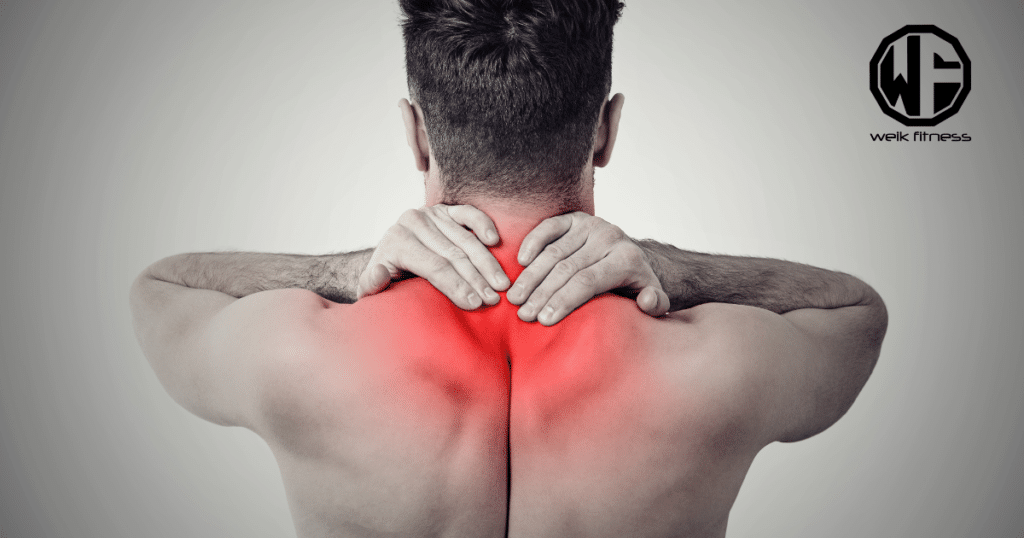
Stiff and sore necks are incredibly common. Sometimes the pain is a dull throb from tension, while other times it’s stiffness from inactivity, like sitting at a desk for hours. While rest helps, a more active approach is often better.
For sharp, throbbing pain, an ice pack can be a powerful analgesic, or pain reliever. Applying cold numbs nerve endings and reduces inflammation by constricting blood vessels. Use it for 15-20 minutes at a time.

Prevention is key for neck stiffness. I always advise my clients to focus on two things: ergonomics and movement. Simple ergonomic adjustments, like positioning your computer monitor at eye level, prevent you from craning your neck forward. Regular movement is also critical. Try some simple preventative exercises like these recommended by the Mayo Clinic. Set a reminder on your computer to get up and stretch every 30-60 minutes to combat everyday pain before it starts.
Knee Discomfort
Whether it’s a twinge from mild arthritis or a low-grade sprain, knee pain is a firm reminder that something isn’t right. If it’s not severe enough for a doctor’s visit, several at-home strategies can provide significant relief.
- Tai Chi: This gentle Chinese martial art is proven to be effective for osteoarthritis pain. Research, including a notable 2009 study from Tufts Medical Center, shows it reduces pain and improves physical function by focusing on balance and range of motion. The mental focus involved also helps reduce the perception of chronic pain.
- Hot/Cold Therapy: Alternating between ice and heat can be very effective. Ice reduces swelling and numbs pain, while heat increases blood flow and improves range of motion. For an acute injury, use ice primarily for the first 48 hours.
- Weight Management: Reducing pressure on your knees is one of the most impactful things you can do. Studies have found that for every pound of body weight you lose, you reduce the load on your knee joint by four pounds.
- Anti-Inflammatory Ointments: While many over-the-counter creams like Aspercreme contain salicylates, some natural options can also be effective. Look for topical creams containing arnica, a plant known for its anti-inflammatory properties, or capsaicin, which can help block pain signals.
Back Pain
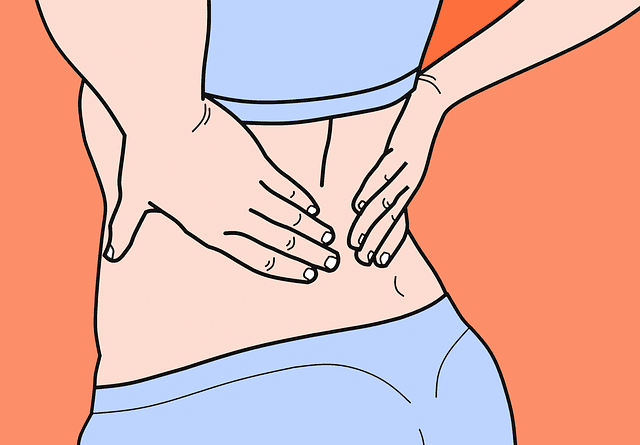
Lower back discomfort is one of the most common types of everyday pain. While it might seem like rest is the answer, modern research overwhelmingly shows that gentle activity is far more effective.
A landmark 2024 study published in The Lancet found that a walking program could nearly double the amount of time people with low back pain remained pain-free. Activities like walking, swimming, or jogging increase blood flow, strengthen supporting muscles, and help you stay flexible. The original article mentioned a 2004 study showing advice was as good as physical therapy, and this newer research reinforces the power of simple, consistent movement.
Pro-Tip from a Coach: Build your “internal back brace” by strengthening your core. Exercises like the plank, bird-dog, and pelvic tilts stabilize your spine, reducing strain on your lower back.
If you have some lingering soreness after activity, an ice pack or a heating pad can provide relief. But if your pain worsens or doesn’t improve, it’s always best to consult a doctor.
FAQs
When should I see a doctor for my pain?
You should see a doctor if your pain is severe, doesn’t improve after a week of home care, or is accompanied by other symptoms like numbness, weakness, tingling in your limbs, or fever. For back pain specifically, seek immediate care if you have trouble with bowel or bladder function.
Can diet really make a difference in managing everyday pain?
Absolutely. Chronic inflammation is a major driver of pain, especially in conditions like arthritis. Eating a diet rich in anti-inflammatory foods can make a real difference. Focus on incorporating foods like:
- Fatty Fish: Salmon and tuna are high in omega-3 fatty acids, which are known to reduce inflammation.
- Leafy Greens: Spinach and kale are packed with antioxidants and vitamins that protect your joints.
- Berries and Cherries: These fruits contain compounds called anthocyanins, which have strong anti-inflammatory effects.
- Nuts and Spices: Walnuts, along with spices like turmeric and ginger, contain chemicals that can help reduce joint pain and swelling.
Is it better to use ice or heat for pain?
It depends on the type of pain. A good rule of thumb is to use ice for acute injuries and heat for chronic muscle soreness.
- Ice (Cold Therapy): Best used for the first 48 hours after a new injury, like a sprain or strain. It helps numb the area and reduce swelling and inflammation.
- Heat Therapy: Ideal for chronic stiffness and sore muscles, like the kind you get from a long day at a desk. Heat relaxes aching muscles and increases blood flow to the area, which helps the healing process.


*Disclosure: This article may contain affiliate links or ads, which means we earn a small commission at no extra cost to you if you make a purchase through these links. These commissions help support the operation and maintenance of our website, allowing us to continue producing free valuable content. Your support is genuinely appreciated, whether you choose to use our links or not. Thank you for being a part of our community and enjoying our content.
PLEASE CONSIDER SHARING THIS ON YOUR SOCIAL MEDIA TO HELP OTHERS LEARN MORE ABOUT THIS TOPIC.