
Is Erythritol Found in Your Supplements Increasing Your Weight?
Do you consume erythritol? A better question may be if you even know you’re consuming erythritol in your diet.
The fact is, you add high-quality supplements to your routine to get healthier, but what if a popular ingredient is secretly working against your goals? Many brands use sugar alcohols like xylitol or sorbitol to sweeten their products without adding calories from sugar.
One of the most common is erythritol, found in everything from protein bars to keto-friendly snacks.
As a certified sports nutritionist, I’ve seen countless people get frustrated when they can’t figure out why they’re not seeing results. Recent research suggests this sugar alcohol could be a hidden reason, potentially contributing to weight gain and other serious health concerns.
This guide will break down the latest science on erythritol, so you can make an informed decision about the supplements you use every day.
Disclaimer: This article is for informational purposes only and is not meant to treat or diagnose any condition. It is recommended that you speak with your doctor before starting any exercise program, changing your daily nutrition, or adding any supplements to your regimen.
Table of contents
Key Takeaways
- Erythritol is a popular low-calorie sugar alcohol used in many “sugar-free” supplements and foods.
- While it doesn’t raise blood sugar, some research has linked high levels of erythritol in the blood to weight gain.
- A major 2023 study from the Cleveland Clinic also associated high erythritol levels with a significantly increased risk of heart attack, stroke, and blood clots.
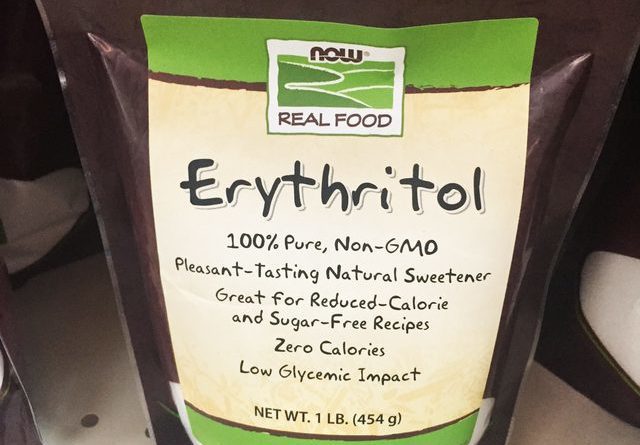
- Always check ingredient labels on protein bars, powders, and keto products for erythritol and other sugar alcohols.
What is Erythritol?
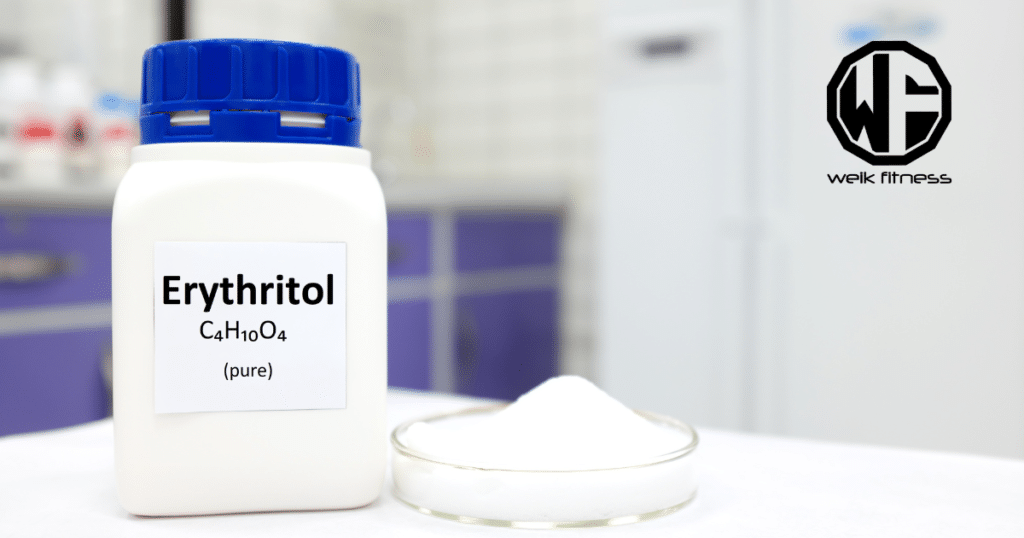
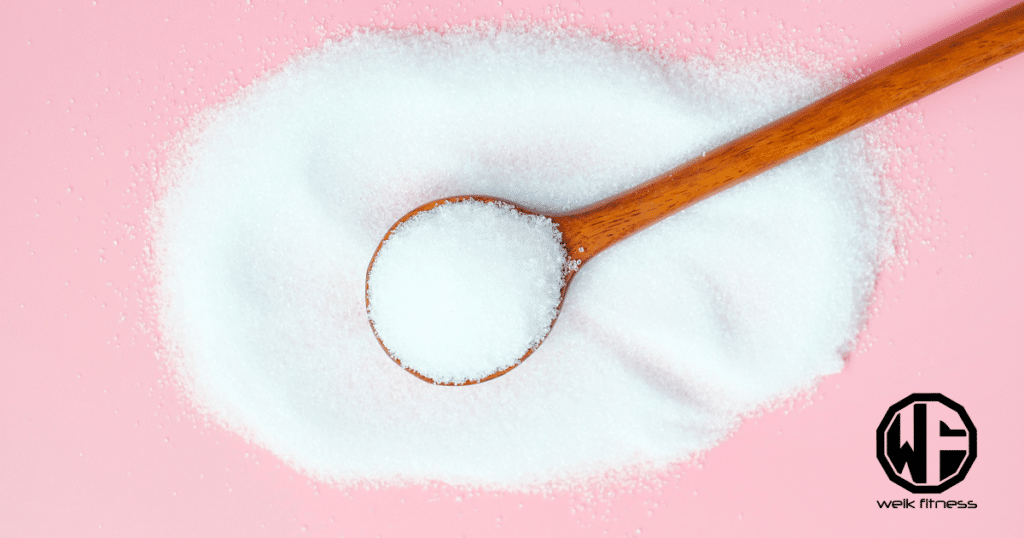
The first thing to know is that erythritol is a type of carbohydrate called a sugar alcohol, or polyol. It’s used as a low-calorie sweetener in many products you see on grocery store shelves. While it does occur naturally in small amounts in fruits like melons and grapes, the version used in commercial foods is typically made by fermenting glucose from cornstarch.
Characteristics
- Low Calorie Count: Erythritol has only about 0.24 calories per gram. For comparison, regular table sugar contains 4 calories per gram.
- Moderate Sweetness: It is roughly 60-70% as sweet as sucrose (table sugar), which is why it’s often combined with other sweeteners.
- Unique Digestion: Unlike other sugar alcohols, most of the erythritol you consume is quickly absorbed into the small intestine and then excreted in the urine. This is why it generally causes less digestive distress, like bloating and gas, compared to sorbitol or xylitol.
- Zero Glycemic Impact: Erythritol has a glycemic index of zero. This means it doesn’t raise blood sugar or insulin levels, making it popular for people with diabetes or those on a low-carb diet.
- Doesn’t Cause Cavities: Since the bacteria in your mouth can’t metabolize erythritol, it does not contribute to tooth decay.
Uses
You can find erythritol in a wide range of products designed to be low in sugar or calories. It’s a common ingredient in:
- “Diet” Foods and Beverages: Think sugar-free candies, baked goods, energy drinks, and even ice creams like Halo Top.
- Keto and Low-Carb Products: It’s a go-to sweetener for brands marketing to the keto community.
- Sweetener Blends: It’s often mixed with high-intensity sweeteners like monk fruit or stevia. Erythritol provides bulk and a more sugar-like taste, masking any potential aftertaste from the other sweeteners. Products like Truvia are a well-known example of a stevia and erythritol blend.
Safety
The U.S. Food and Drug Administration (FDA) lists erythritol as “Generally Recognized as Safe” (GRAS). This means it can be added to foods without extensive pre-market review. For a long time, the main concern was digestive discomfort from consuming very large amounts.
However, recent research has raised more serious questions about its long-term effects, particularly regarding cardiovascular health.
Erythritol is Adding to the Problem
The United States is facing a significant health challenge. According to the latest CDC data from 2021-2023, 40.3% of U.S. adults have obesity. Many people turn to supplements hoping to manage their weight and improve their health.
Protein supplements are a popular choice, including protein bars, powders, and RTD (ready-to-drink) protein shakes. To appeal to health-conscious consumers, brands often use sugar alcohols like erythritol to keep calorie and sugar counts low on the nutrition label.
For some, these sugar alcohols cause immediate gastrointestinal issues. While some people tolerate them well, others experience bloating and an urgent need to find a restroom. But beyond the immediate discomfort, a more hidden issue might be affecting your long-term goals.
Is Erythritol Making You Fat?

The idea that a zero-calorie sweetener could lead to weight gain seems counterintuitive, but some scientific findings suggest a connection. A 2017 study from Cornell University examined college freshmen, a group known for weight gain. Researchers found that students who gained weight and abdominal fat had blood erythritol levels 15 times higher than their peers who maintained a stable weight.
Related Article: Can Short Walks Crush Your Sugar Cravings?
Interestingly, the study also revealed that our bodies can produce erythritol internally from glucose through a specific metabolic pathway. This complicates the picture. It raises the question of whether high erythritol levels are a cause of weight gain or simply a marker of a metabolic disturbance that leads to it.
One of the Cornell researchers noted, “With the finding of a previously unrecognized metabolism of glucose to erythritol and given the erythritol weight gain association, further research is needed to understand whether and how this pathway contributes to weight-gain risk.”
The Risks: More Than Just Weight Gain?
The conversation around erythritol shifted dramatically in 2023 with a landmark study from the Cleveland Clinic published in *Nature Medicine*. This research uncovered a much more alarming potential risk associated with the sweetener.
The study, led by Dr. Stanley Hazen, followed thousands of patients and found that individuals with the highest levels of erythritol in their blood had double the risk of experiencing a heart attack or stroke over three years. The researchers also discovered that erythritol appeared to make blood platelets easier to activate, which can lead to the formation of blood clots.
This has serious implications. Many protein bars and snacks are loaded with erythritol. For example, some flavors of the popular Quest Nutrition bars list erythritol as a key ingredient. While you might be eating them for the protein, you could also be consuming an ingredient linked to significant cardiovascular risks.
It’s a frustrating situation for consumers. Take the MET-Rx brand as an example. Their Big 100 Colossal bars might have a flavor like Crispy Apple Pie with a staggering 29 grams of sugar. You might then choose a MET-Rx Protein Plus bar, which has only 3 grams of sugar but a massive 22 grams of sugar alcohols.
My recommendation? Read every label. If you see erythritol or high amounts of other sugar alcohols, it may be wise to find an alternative. There are many great-tasting bars and powders sweetened with other options like stevia or monk fruit that don’t carry the same potential risks.

FAQs About Erythritol
Is erythritol worse than sugar?
This is a complex question. Erythritol doesn’t raise blood sugar or cause tooth decay like sugar does. However, emerging research from 2023 has linked high levels of erythritol to serious cardiovascular risks, including blood clots, heart attack, and stroke. Because of these findings, some experts now suggest that moderate amounts of real sugar might be a safer choice than regular consumption of erythritol.
What are the main side effects of erythritol?
For many people, consuming large amounts of erythritol can lead to digestive issues like bloating, gas, cramping, and diarrhea. Beyond digestion, the most significant concerns are the potential long-term cardiovascular effects identified in recent studies.
How can I avoid erythritol?
The best way to avoid it is to read ingredient labels carefully. Look for it by name on protein bars, keto products, sugar-free drinks, and candies. Be especially cautious with products labeled “sweetened with monk fruit” or “stevia,” as erythritol is often added as a bulking agent. Choosing whole, unprocessed foods is the surest way to avoid it entirely.
What are good alternatives to erythritol?
There are several other natural, zero-calorie sweeteners available. Good alternatives to look for include:
- Stevia: A plant-derived sweetener that is 200-300 times sweeter than sugar.
- Monk Fruit: Extracted from a fruit, it is 100-250 times sweeter than sugar and has no aftertaste for most people.
- Allulose: A “rare sugar” found in certain fruits. It has about 70% of the sweetness of sugar with minimal calories and doesn’t raise blood sugar.


*Disclosure: This article may contain affiliate links or ads, which means we earn a small commission at no extra cost to you if you make a purchase through these links. These commissions help support the operation and maintenance of our website, allowing us to continue producing free valuable content. Your support is genuinely appreciated, whether you choose to use our links or not. Thank you for being a part of our community and enjoying our content.
PLEASE CONSIDER SHARING THIS ON YOUR SOCIAL MEDIA TO HELP OTHERS LEARN MORE ABOUT THIS TOPIC.