
Eating Healthy on a Budget Isn’t Truly That Difficult
Feeling the pinch at the grocery store? You’re not imagining it. With food prices continuing to climb, it’s easy to think that eating healthy is a luxury you can’t afford. But you can actually get away with eating healthy on a budget if you know the right method.
Many people find themselves caught between buying expensive lean protein or just giving in to the dollar menu. But here’s the truth I’ve shared with my clients for years as a certified sports nutritionist and personal trainer: you don’t have to sacrifice your health for your budget.
The key isn’t spending more, it’s being smarter about how you shop and prepare your food. The single biggest factor in saving money is preparing your own meals instead of eating out, a habit that the Bureau of Labor Statistics found costs the average household over $3,500 a year.
This guide will show you exactly how to make your money work for you, keeping you healthy and fit without draining your bank account. Let’s get started on your journey to eating healthy on a budget.
Disclaimer: This article is for informational purposes only and is not meant to treat or diagnose any condition. It is recommended that you speak with your doctor before starting any exercise program, changing your daily nutrition, or adding any supplements to your regimen.
Table of contents
Key Takeaways
- Cook at Home: The most effective way to save money is to prepare your own meals and stop eating out.
- Shop Smart: Choose budget-friendly stores like Aldi or Lidl, buy generic brands, and purchase staple items in bulk.
- Plan Your Meals: Create a weekly meal plan and a detailed grocery list to prevent impulse buys and reduce food waste.
- Embrace Whole Foods: Focus on inexpensive, nutrient-dense foods like beans, lentils, eggs, oats, and seasonal or frozen produce.

Where to Shop When Eating Healthy on a Budget
Where you buy your groceries can have a massive impact on your final bill. While any store works if you stick to a list, some are structured to save you money.
Discount grocers are your best friend here. Stores like Aldi and Lidl have smaller footprints and carry fewer name brands, which allows them to offer significantly lower prices. A 2022 report from dunnhumby ranked Trader Joe’s and Aldi as top-tier for affordability. For bulk purchases of items you use frequently, wholesale clubs like Costco, BJ’s, or Sam’s Club offer the lowest per-unit prices on things like oats, rice, and frozen chicken. This is key for eating healthy on a budget.
Just be sure to avoid convenience stores at all costs. Their prices are consistently higher across the board for the same items you’d find at a grocery store.
Related Article: Strength & Conditioning on a Budget
What is the Cheapest Way to Eat Healthy?

The cheapest way to eat healthy is by creating a system built on planning, smart shopping, and cooking your own food. It’s not about one magic trick, but a combination of consistent habits that add up to big savings.
Master the Art of Planning
- Plan Your Meals: Before you even think about shopping, plan your meals for the week. This creates your shopping list and is the single best defense against impulse buys. Apps like Mealime can help generate recipes and shopping lists for you.
- Shop Sales and Use Apps: Check weekly flyers for deals. Use digital coupon apps like Ibotta or Flipp to find cash-back offers and discounts on items you already plan to buy.
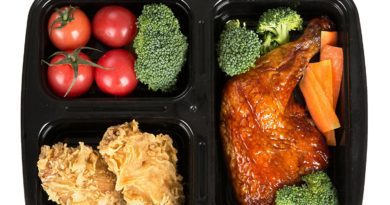
- Cook in Batches: Dedicate a few hours on the weekend to “batch cook” staples like rice, roasted vegetables, and grilled chicken. This ensures you have healthy, ready-to-eat meals and helps you resist the urge for expensive takeout.
Choose Budget-Friendly Foods
Some of the healthiest foods are also the cheapest. Building your meals around these staples is a cornerstone of eating healthy on a budget.
- Utilize Inexpensive Protein: While chicken and beef prices can fluctuate, plant-based proteins are consistently cheap. Lentils, beans, eggs, and canned tuna are incredibly versatile and affordable sources of protein.
- Buy In-Season Produce: Fruits and vegetables are cheapest when they are in season. Buying strawberries in December will cost a premium, but they are a bargain in the summer.
- Don’t Forget Frozen: Frozen fruits and vegetables are just as nutritious as fresh ones, sometimes even more so because they are picked at peak ripeness. They are a fantastic budget-friendly option with a long shelf life.
- Pick Generic Brands: Store brands often use the same manufacturers as name brands but cost 20-25% less. For staples like oats, canned goods, and pasta, the quality is nearly identical.
- Drink More Water: Sugary drinks like soda and juice are expensive and offer no nutritional value. Switching to water is a simple way to improve your health and save money.
How to Shop When Eating Healthy on a Budget

Your strategy inside the store matters just as much as your list. Grocery stores are designed to make you spend more, but you can outsmart them.
A classic tip I always give my clients is to shop the perimeter of the store first. This is where you’ll find the whole foods like fresh produce, dairy, and your lean protein sources. The inner aisles are filled with more processed, expensive items.
When you do go into the aisles, look high and low on the shelves. Retailers pay for premium placement at eye-level, so the more affordable generic brands are often placed on the top or bottom shelves. This is a simple but effective tactic when eating healthy on a diet.
Related Article: 8 Tips to Make Smarter Buying Decisions at the Grocery Store
Prioritize Your Organic Purchases
Organic food is often more expensive, but you don’t need to buy everything organic. A smart approach is to use the guide from the Environmental Working Group (EWG). Each year, they publish the “Dirty Dozen” (produce with the highest pesticide residues) and the “Clean Fifteen” (produce with the lowest).
Focus your organic budget on items from the Dirty Dozen list, like strawberries, spinach, and kale. You can save money by purchasing conventional versions of Clean Fifteen items, such as avocados, sweet corn, and onions.
What Should You Buy When Eating Healthy on a Budget?
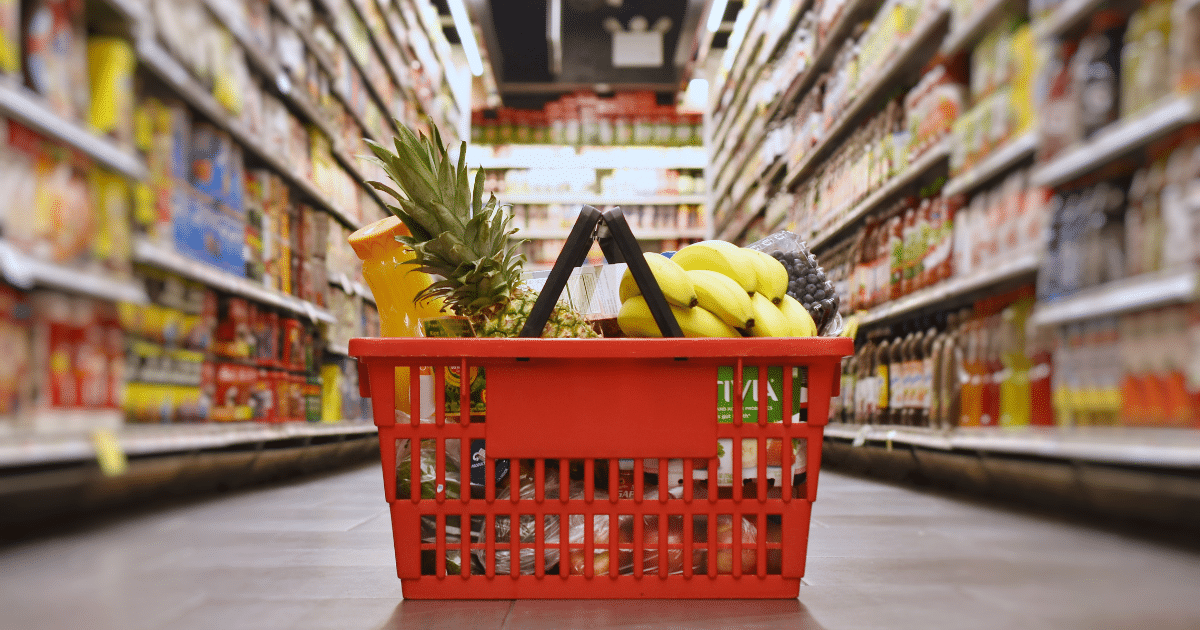
Building a healthy, budget-friendly pantry starts with a solid foundation. But before you even start, here’s the golden rule: NEVER SHOP ON AN EMPTY STOMACH. No matter how perfect your list is, hunger will lead you straight to impulse buys.
Cost-Effective Protein Sources
- Eggs: Eggs are a nutritional powerhouse and one of the most affordable high-quality proteins available.
- Beans and Lentils: Dried or canned, these are incredibly cheap and packed with protein and fiber.
- Ground Meat: Look for 90% lean ground beef or ground turkey on sale. You can save money and drain any excess fat after cooking.
- Canned Fish: Canned tuna or salmon (packed in water) is a great, inexpensive source of protein and healthy omega-3 fats.
- Buy in Bulk: Purchase large family packs of chicken or fish when they are on sale and freeze individual portions for later use.
Smart Carbohydrates and Grains
- Oats: Buy the largest container of plain rolled oats you can find. It’s much cheaper than individual flavored packets. You can add your own fruit, nuts, or cinnamon for flavor.
- Brown Rice: A bag of brown rice is inexpensive, versatile, and provides more fiber than white rice.
- Potatoes: Both regular and sweet potatoes are affordable, filling, and rich in nutrients.
- Whole Wheat Options: Whole wheat tortillas or English muffins can be great, versatile replacements for more expensive breads.
Eating Healthy on a Budget FAQs
Is it actually cheaper to eat unhealthy food?
While a single fast-food meal might seem cheap, a diet based on whole, unprocessed foods is often less expensive over the course of a week. A study from the Harvard School of Public Health found that healthier diets cost about $1.50 more per day, but that cost is easily offset by planning meals around budget staples like beans, rice, and seasonal vegetables, which are far cheaper than processed meals.
What is the number one tip for eating healthy on a budget?
Meal planning. If you do only one thing, make it this. Planning your meals for the week and creating a strict grocery list prevents impulse purchases, reduces food waste, and removes the stress of deciding what to eat each day, which often leads to ordering expensive takeout.
How can I eat healthy if I have no time to cook?
Batch cooking is your solution. Spend 2-3 hours on a Sunday preparing large portions of key ingredients: a big pot of quinoa, roasted vegetables, grilled chicken breasts, or hard-boiled eggs. Throughout the week, you can quickly assemble these components into healthy salads, grain bowls, and wraps in just a few minutes.


*Disclosure: This article may contain affiliate links or ads, which means we earn a small commission at no extra cost to you if you make a purchase through these links. These commissions help support the operation and maintenance of our website, allowing us to continue producing free valuable content. Your support is genuinely appreciated, whether you choose to use our links or not. Thank you for being a part of our community and enjoying our content.
PLEASE CONSIDER SHARING THIS ON YOUR SOCIAL MEDIA TO HELP OTHERS LEARN MORE ABOUT THIS TOPIC.