
Is Duckweed the Next Plant-Based Protein Source?
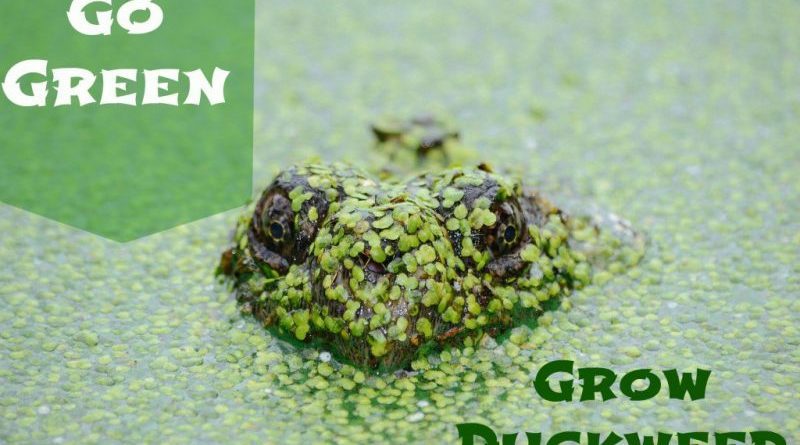
If I told you to eat duckweed, you’d probably tell me to eat dirt, right? But hold on just a sec…
With the ever-rising cost of whey protein, many of us are searching for a new protein source that delivers results without straining our wallets.
Many people in the health and fitness community have already turned to plant proteins. The newest and most intriguing option is one you’ve likely never considered: duckweed.
This guide will break down exactly what this tiny green plant has to offer, how it stacks up against the competition, and whether it’s the right choice to help you build lean muscle.
Disclaimer: This article is for informational purposes only and is not meant to treat or diagnose any condition. It is recommended that you speak with your doctor before starting any exercise program, changing your daily nutrition, or adding any supplements to your regimen.
Table of contents
Key Takeaways
- Duckweed, also known as water lentils, is a highly sustainable plant-based protein that contains all nine essential amino acids.
- It’s a rare plant source of bioactive vitamin B12, a crucial nutrient for energy that vegans often need to supplement.
- With a protein quality score (PDCAAS) of 0.93, duckweed protein is nutritionally comparable to top-tier plant sources like soy and superior to pea protein.
- Companies like Parabel and Plantible Foods are scaling up production, and the global duckweed protein market is projected to reach over $344 million by 2033.

What Is Duckweed and Why Is It a Protein Powerhouse?
Duckweed is a tiny flowering plant that floats on fresh water and is more commonly known by its culinary name, water lentils. While it may be new to the supplement scene, it has been used for culinary purposes across the globe thanks to its impressive nutritional contents.
In my experience as a sports nutritionist, the amino acid profile is what truly defines a protein source. Duckweed stands out because it’s a complete protein, containing all nine essential amino acids required for muscle repair and growth. Some species contain up to 45% protein by dry weight, a concentration that rivals animal-based sources.
A Florida-based company, Parabel, is a major force in this space with its product line called LENTEIN. They have received a “no objections” letter from the FDA, affirming LENTEIN’s status as Generally Recognized as Safe (GRAS) for human consumption. They aren’t alone, as other innovators like Plantible Foods are also expanding production to meet growing demand.
One of the most exciting discoveries is that duckweed is a natural, plant-based source of bioactive vitamin B12. This is a game-changer, especially for my vegan clients who typically need to rely on synthetic B12 supplements for energy metabolism and nerve function.
Can Duckweed Fuel Your Fitness Goals?
A great nutritional profile on paper is one thing, but performance in the real world is what matters. The good news is that duckweed protein holds its own against other popular proteins.
The quality of a protein is measured by its Protein Digestibility Corrected Amino Acid Score (PDCAAS), where a score of 1.0 is the highest. Duckweed scores an impressive 0.93, which is comparable to soy and much higher than pea protein. This means your body can efficiently absorb and use its amino acids.
One early challenge for duckweed protein was its naturally green color, which could be off-putting in shakes or foods. However, Parabel addressed this by developing LENTEIN, a neutral-colored protein powder that is much more versatile. This innovation makes it an easy substitute for other plant proteins like soy or pea in almost any product.
| Protein Source | PDCAAS Score | Key Advantage |
|---|---|---|
| Duckweed (Lentein) | 0.93 | Complete protein, rich in B12 and Omega-3. |
| Whey/Casein | 1.0 | Gold standard for BCAA content and rapid absorption. |
| Soy | 0.92 – 1.0 | Complete protein, widely available. |
| Pea Protein | ~0.70 | Hypoallergenic and easily digestible for most. |
Related Article: Does The Protein Source You Use Really Matter?
The sustainability of duckweed is another huge plus. It can double its biomass in 24-48 hours, uses significantly less water than land crops, and doesn’t require valuable farmland. This makes it one of the most eco-friendly protein sources available today.
The Verdict: Should You Switch to Duckweed Protein?
For those looking for a high-quality, sustainable, plant-based protein, duckweed is an incredibly compelling option. It should do very well, especially as companies have solved the initial color challenge, making it more appealing to a wider audience.
Will dedicated whey protein users make the switch? That’s less likely. As a long-time whey user myself, I know that loyalty is strong. Whey is still considered the gold standard by many for its taste, mixability, and high BCAA content.
However, that doesn’t diminish duckweed’s value. Its amino acid profile is excellent, and for vegans, vegetarians, or anyone with a dairy sensitivity, it offers a nutritionally dense alternative that other plants can’t match. The market for duckweed protein is expanding rapidly, with some reports projecting it to grow at a rate of over 11% annually, reaching a market size of over $246 million by 2035.
I don’t see duckweed protein replacing whey anytime soon, but it is poised to become a major player in the plant-based sports nutrition industry. For anyone on a plant-focused diet, this development is extremely exciting.
Source:
Menayang, Adi. “Parabel to Open New Farm for Increased Duckweed Protein Production by End of This Year.” NutraIngredients-USA.com. N.p., 03 July 2017. Web. 05 July 2017.
FAQs
What does duckweed protein taste like?
Most people describe the taste of fresh duckweed as mild and slightly earthy, similar to spinach or watercress. However, protein powders made from it, like the neutral-colored LENTEIN, have a very subtle flavor, making them easy to mix into smoothies, shakes, and other foods without affecting the taste.
Is duckweed protein safe to consume?
Yes. Commercially produced duckweed protein is safe. Key industry products like LENTEIN have obtained GRAS (Generally Recognized as Safe) status from the U.S. Food and Drug Administration (FDA). This ensures it is produced in controlled, clean hydroponic environments, unlike wild duckweed which can absorb contaminants from ponds.
Is duckweed a complete protein?
Yes, duckweed is a complete protein, meaning it contains all nine essential amino acids that your body cannot produce on its own. Its amino acid profile is often compared to that of whey and is considered superior to many other plant proteins.
Where can I buy duckweed protein?
Duckweed protein is still a relatively new ingredient, but it’s beginning to appear in various protein powders and plant-based foods. You can find it in products from health-conscious brands that focus on superfoods and sustainable ingredients. Look for products that list “water lentil protein” or “LENTEIN” on the label.


*Disclosure: This article may contain affiliate links or ads, which means we earn a small commission at no extra cost to you if you make a purchase through these links. These commissions help support the operation and maintenance of our website, allowing us to continue producing free valuable content. Your support is genuinely appreciated, whether you choose to use our links or not. Thank you for being a part of our community and enjoying our content.
PLEASE CONSIDER SHARING THIS ON YOUR SOCIAL MEDIA TO HELP OTHERS LEARN MORE ABOUT THIS TOPIC.