

Creatine For Neurological Health
Creatine for neurological health has become a major thing here of late with more and more people looking at all the benefits.
Creatine is famously known as the most researched supplement on the market, and for a simple reason: it delivers results.
For years, athletes have used it to build lean muscle and recover faster. In my experience as a certified sports nutritionist, it’s one of the few supplements with undeniable performance benefits.
But the conversation is shifting. New research shows that this simple white powder may hold powerful benefits for our most important organ, the brain. We’re now exploring the exciting potential of using creatine for neurological health.
Disclaimer: This article is for informational purposes only and is not meant to treat or diagnose any condition. It is recommended that you speak with your doctor before starting any exercise program, changing your daily nutrition, or adding any supplements to your regimen.
Table of contents
Key Takeaways
- Dual Benefits: Creatine is proven to support both muscle growth and cognitive function, making it a powerful all-around supplement.
- Brain Fuel: The brain uses about 20% of your body’s energy. Creatine helps replenish ATP, the brain’s primary energy source, which can enhance memory and reduce mental fatigue.
- Neuroprotective Properties: Studies suggest creatine can help protect the brain from injury and may offer support for certain neurological conditions.
- Safe and Affordable: Backed by hundreds of studies and organizations like the International Society of Sports Nutrition (ISSN), creatine monohydrate is safe, effective, and highly affordable.
Creatine Found in Food
You can find creatine naturally in foods like red meat, chicken, and fish. However, you would need to eat impractical amounts to get a clinically effective dose.
For context, a pound of uncooked beef contains only about 1 to 2 grams of creatine, and some of that is lost during cooking. To get the recommended 3-5 grams daily for cognitive benefits, you would have to consume a huge quantity of these foods.
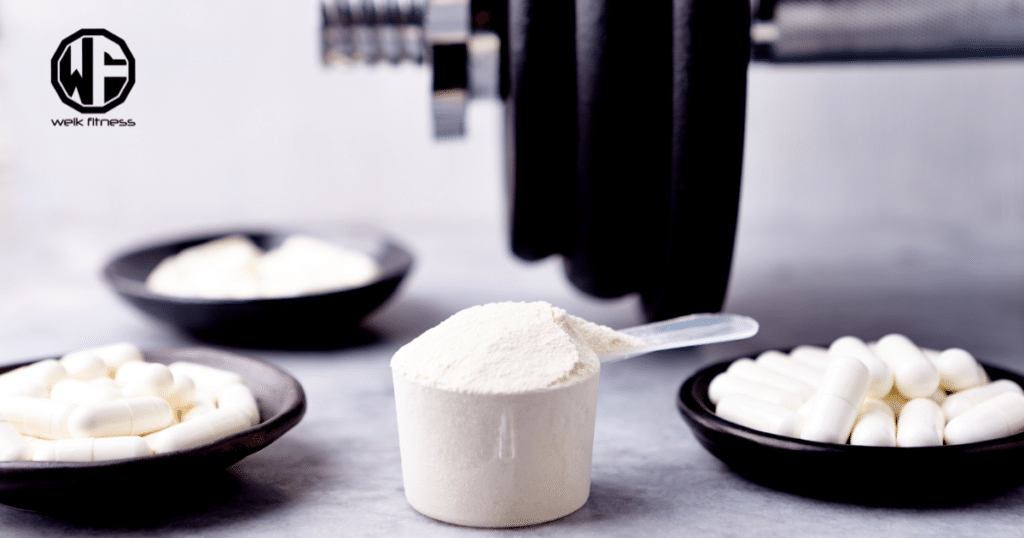
This is why most people turn to supplements in either powder or pill form. While newer forms like creatine HCl exist, creatine monohydrate remains the gold standard. It is the form used in the vast majority of studies, including those on brain health, and it is incredibly cost-effective.
Creatine for Neurological Health Benefits
Your brain is an energy powerhouse. While it’s only 2% of your body weight, it consumes about 20% of your daily energy. This energy comes from a molecule called adenosine triphosphate, or ATP.
Creatine plays a vital role in helping your body rapidly recycle and replenish ATP. When your brain has a readily available pool of creatine, it can maintain energy levels more efficiently, especially during demanding mental tasks. This translates into several tangible benefits for your brain.
Related Article: Maximize Muscle Growth — The Benefits of Creatine CEE
A growing body of research has shown that supplementing with creatine offers “neuroprotective effects in a variety of neurological conditions including traumatic brain injury, Huntington’s Disease, and Parkinson’s Disease.” Researchers believe it helps buffer brain energy, reducing the cellular stress associated with these conditions.
Protecting the Brain from Injury
A traumatic brain injury (TBI) triggers a massive energy crisis in the brain. This “energy crisis” involves mitochondrial dysfunction and an inadequate supply of [adenosine triphosphate] ATP to neurons, leading to secondary damage.
Because creatine helps replenish ATP, researchers have explored its potential to protect the brain. Early animal studies were promising, showing that rodents given creatine before a TBI had significantly less brain damage than those who were not supplemented.
From Lab to Life: Human Studies Confirm Brain Benefits

While animal studies provide clues, human data is what truly matters. Fortunately, the benefits of creatine for neurological health have been demonstrated in human trials.
A landmark 2008 study by Sakellaris and colleagues looked at children and adolescents who had suffered a recent TBI. The group supplementing with creatine showed “significant improvement in communication, cognition, personality/behavior, and self-care.”
The study also found creatine supplementation shortened the length of stay in the intensive care unit, which directly translates to reduced hospitalization costs. This highlights a powerful, real-world benefit.
These findings suggest that using creatine for neurological health isn’t just a preventative measure; it can also play a role in recovery by providing the brain with the energy it desperately needs after an injury.
A Safe and Cost-Effective Brain Booster
One of the most appealing aspects of creatine is its stellar safety profile. The International Society of Sports Nutrition (ISSN) has stated that long-term use is safe for healthy individuals, debunking old myths about kidney damage or dehydration.

Researchers also emphasize that creatine is very inexpensive, especially when compared to prescription drugs or complex nootropic stacks. For just a few dollars a month, you can get a research-backed supplement for both your body and brain.
The combination of proven efficacy, low cost, and an excellent safety record makes creatine an incredibly smart choice for anyone looking to optimize their health.
Not Using Creatine for Neurological Health? You Should!
If you’re already taking this ingredient for its physical benefits, the cognitive advantages are a massive bonus. If you aren’t using it, the compelling research on brain health provides another powerful reason to start.
There’s simply no good reason to avoid creatine if you are active and looking to improve your overall wellness.
From helping you add lean muscle to protecting your brain, the benefits continue to stack up, solidifying its place as a top-tier supplement. Using creatine for neurological health is a smart, science-backed strategy.
Here are some other pieces of content we have created on the topic of creatine:
- The Best Creatine on Amazon [Top 10 Edition]
- Creatine! A Bodybuilding Staple
- Creatine Monohydrate 101: The Research Behind a Phenomeon
- Creatine for Women: Should Women Use Creatine Supplements?
- What Are the Benefits of Creatine and Should You Take It?
Source: International Immunopharmacology
Published online ahead of print, doi: 10.1016/j.intimp.2015.12.034
“Beyond muscles: The untapped potential of creatine”
Authors: Lisa A. Riesberg, Stephanie A. Weed, Thomas L. McDonald, Joan M. Eckerson, Kristen M. Drescher
FAQs About Creatine for Neurological Health
- What is the best type of creatine for brain health? Creatine monohydrate is the most studied and validated form for both cognitive and physical benefits. It is effective, safe, and affordable.
- How much creatine should I take for cognitive benefits? A daily dose of 3-5 grams is the standard recommendation. Consistency is more important than timing, so take it whenever is most convenient for you.
- Is creatine safe to take long-term? Yes. The ISSN and numerous studies have confirmed that long-term creatine supplementation is safe for healthy individuals when taken at recommended dosages.
- Do I need to do a “loading phase” for brain benefits? A loading phase (taking a higher dose for the first week) can help saturate your muscles faster, but it is not necessary for achieving cognitive benefits. A consistent daily dose of 3-5 grams will saturate brain stores over a few weeks.


*Disclosure: This article may contain affiliate links or ads, which means we earn a small commission at no extra cost to you if you make a purchase through these links. These commissions help support the operation and maintenance of our website, allowing us to continue producing free valuable content. Your support is genuinely appreciated, whether you choose to use our links or not. Thank you for being a part of our community and enjoying our content.
PLEASE CONSIDER SHARING THIS ON YOUR SOCIAL MEDIA TO HELP OTHERS LEARN MORE ABOUT THIS TOPIC.