Coming to America… FREE Fitness Programs?
I heard about free fitness programs being offered in other parts of the world and it started to get the wheels turning in my head.
The United States is facing a serious health challenge. According to the latest CDC data released in February 2026, a staggering 40.3% of American adults have obesity. This isn’t just a number, it’s a nationwide obesity epidemic that carries a massive economic weight, with physical inactivity costing the nation an estimated $192 billion in annual healthcare expenses.
As a certified strength coach and nutritionist, I’ve seen firsthand how overwhelming it can feel to start a fitness journey. But what if there was a way to remove one of the biggest barriers, the cost?
Countries like Brazil are taking bold steps to improve public health by offering free fitness programs to their citizens. This guide explores their successful model and breaks down how we could bring similar, life-changing free fitness programs to communities across the U.S.
Disclaimer: This article is for informational purposes only and is not meant to treat or diagnose any condition. It is recommended that you speak with your doctor before starting any exercise program, changing your daily nutrition, or adding any supplements to your regimen.
Table of contents
- Brazilian Government Created Free Fitness Programs
- How Could We Start Free Fitness Programs Here in the US?
- 1. Planning and Research
- 2. Designing the Free Fitness Programs
- 3. Location and Equipment Needed for the Free Fitness Programs
- 4. Partnerships and Sponsorships
- 5. Instructors and Volunteers
- 6. Marketing and Promotion
- 7. Registration and Attendance
- 8. Legal and Safety Considerations
- 9. Feedback and Improvement
- 10. Sustainability
- Would Free Fitness Programs Work in the United States?
- FAQs About Free Fitness Programs
Key Takeaways
- The U.S. faces a significant health crisis, with over 40% of adults having obesity and physical inactivity costing the nation $192 billion annually.
- Brazil’s “Academia das Cidades” (City Academies) program has successfully increased physical activity, particularly among women, by offering free classes in public spaces.
- Launching similar programs in the U.S. requires strategic planning, including defining a target audience, securing partnerships with local businesses or health organizations, and recruiting qualified instructors.
- Successful examples of free fitness movements in the U.S., like the November Project, prove that community-based, no-cost programs can thrive and build strong, active communities.
- Overcoming challenges like funding and weather requires a hybrid approach, using indoor spaces like community centers in colder months and seeking grants from organizations dedicated to public health.
Brazilian Government Created Free Fitness Programs
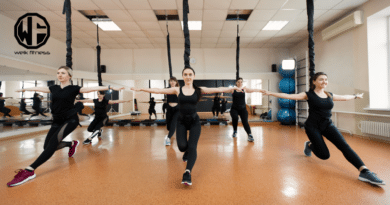
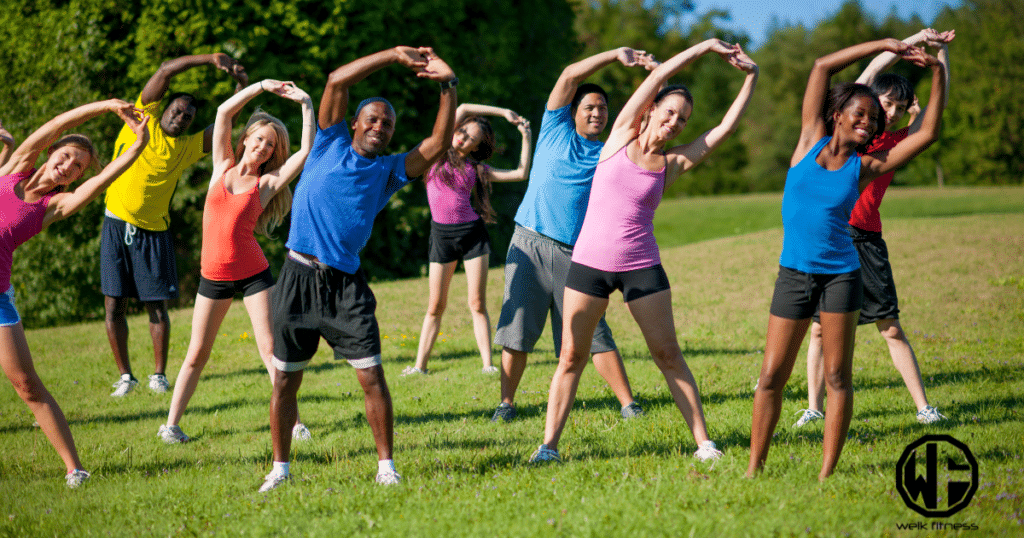
To directly combat rising health issues, the Brazilian government created a powerful initiative called the Academia das Cidades program, or “City Academies.” The goal was simple: give all residents free access to fitness facilities and certified instructors. Launched in 2002, the program is now active in hundreds of cities.
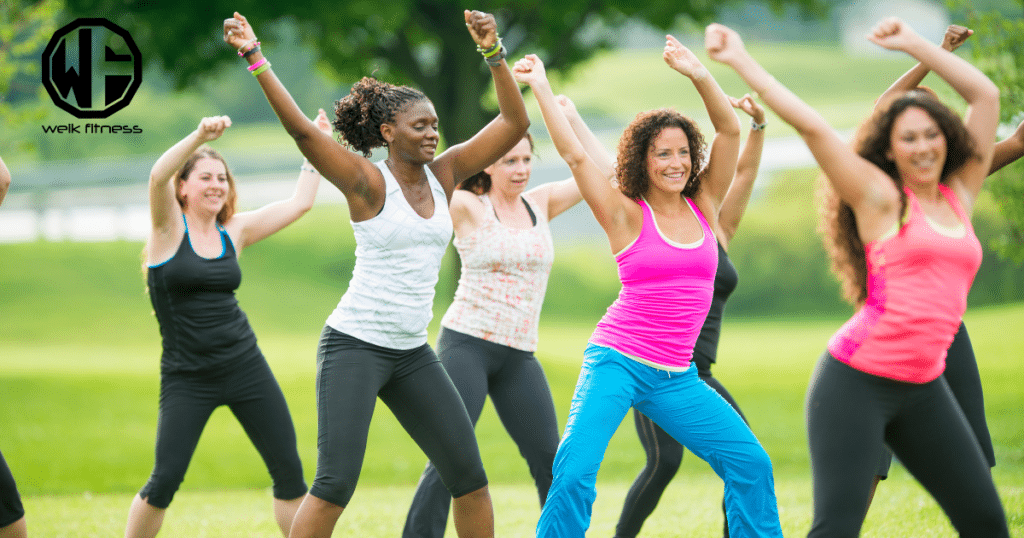
Classes are held in scenic public spaces like parks and plazas, creating an inviting and accessible environment. One of the key reasons for its success is this community-focused approach. Participants not only get to exercise in the sunlight but also receive free dietary guidelines to support their weight loss and health goals.
A researcher on the project noted its impact: “Our study shows that these exercise programs help reduce those inequalities in physical activity. They may serve as a model for other communities and countries around the world to tackle the pandemic of physical inactivity.”
The program has been particularly effective at increasing physical activity rates for adult women, a demographic that surveys often show is less active than men. By removing cost and location barriers, the City Academies have successfully engaged people who might not otherwise join a traditional gym, making a real dent in public health challenges.
How Could We Start Free Fitness Programs Here in the US?
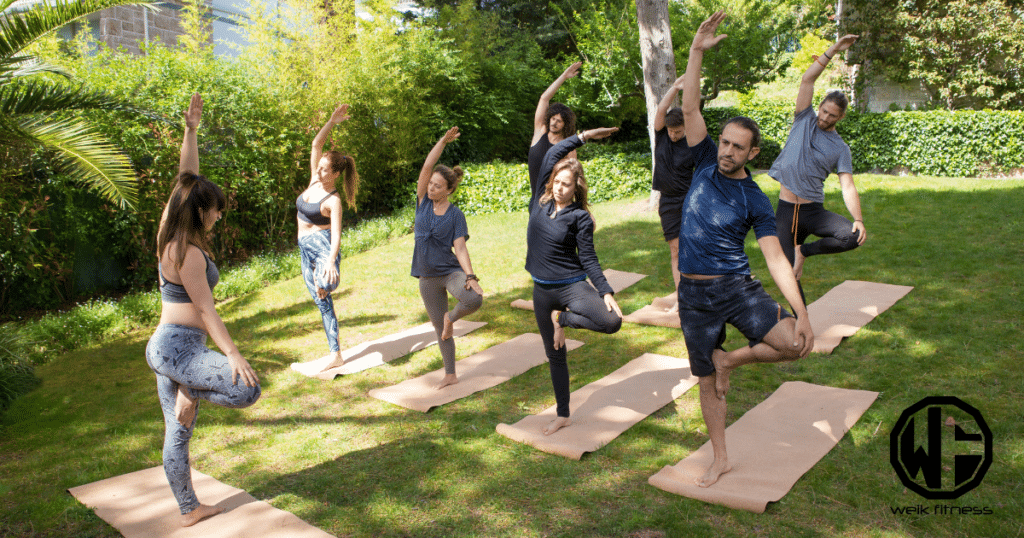
Bringing free fitness programs to the U.S. is an ambitious but achievable goal that could transform community health. As a fitness professional, I know it takes more than just good intentions. It requires a clear, actionable plan. Here’s a breakdown of the essential steps we’d need to take.
1. Planning and Research
First, you need to know who you’re serving. Are you targeting seniors who need low-impact exercise, working parents who need evening classes, or the general public? According to the American Heart Association, less than half of U.S. adults get the recommended 150 minutes of weekly activity, so the need is widespread.
You can also learn from existing successful models. Look at groups like 3 WINS Fitness, a program started by California State University, Northridge, that offers free exercise classes in public parks led by kinesiology students. This model not only serves the community but also gives students valuable hands-on experience.
2. Designing the Free Fitness Programs
Your program design should be based on your audience. The key is offering a variety of activities that appeal to different fitness levels and interests. You can’t go wrong with options like:
- Yoga or stretching
- Zumba or dance fitness
- Boot camp or bodyweight circuits
- Community walking or running groups
Scheduling is just as important. Polling the community to find the best times is crucial. Evening and weekend classes often work well for adults, while morning sessions might be perfect for seniors or stay-at-home parents.
3. Location and Equipment Needed for the Free Fitness Programs
Accessibility is everything. Public parks, community centers, and school tracks are excellent low-cost or free venues. The National Fitness Campaign is one organization helping to build “Fitness Courts,” which are free outdoor gyms, in communities across the country.
In my experience, the best programs often start with minimal equipment. Bodyweight exercises are incredibly effective and require nothing more than space. If you do need equipment, look for donations or focus on low-cost items like resistance bands or cones.
4. Partnerships and Sponsorships
You don’t have to do it alone. Partnering with local organizations can provide funding, resources, and credibility. Consider reaching out to:
- Local businesses: Health-focused businesses like hospitals, clinics, or even grocery stores may be willing to sponsor a program.
- Non-profits: Organizations like the YMCA or Jewish Community Centers often have existing infrastructure and a mission to support community health.
- Government Grants: Look for grants focused on community wellness. The Aspen Institute and local government programs sometimes offer grants between $5,000 and $25,000 for public health initiatives.
5. Instructors and Volunteers
Credibility is built on quality instruction. Recruit certified fitness instructors who are passionate about giving back. Look for professionals with certifications from respected organizations like the American Council on Exercise (ACE) or the National Academy of Sports Medicine (NASM).
A great pro-tip is to connect with local universities. Kinesiology and exercise science departments are often looking for internship or volunteer opportunities for their students, creating a win-win scenario.

6. Marketing and Promotion
A great program is only effective if people know about it. Use a multi-channel approach to spread the word.
- Digital Outreach: Create social media pages on platforms like Facebook and Instagram. Post engaging content, including class schedules, instructor bios, and success stories. The app Nextdoor is also a powerful tool for reaching specific neighborhoods.
- Community Engagement: Distribute flyers at local libraries, coffee shops, and community centers. Partner with schools to send information home with students.
7. Registration and Attendance
Make it easy for people to sign up. Use free online tools like Google Forms or Eventbrite for simple online registration. Always offer on-site registration for those who aren’t tech-savvy. Tracking attendance helps you understand which classes are popular and allows you to measure the program’s impact over time.
8. Legal and Safety Considerations
Protect yourself and your participants. It is essential to have every participant sign a liability waiver. You should also ensure the environment is safe and have a first-aid kit readily available. Having instructors or volunteers with CPR and AED certifications is a standard practice and highly recommended.
9. Feedback and Improvement
The best programs evolve. Regularly ask for feedback from participants to understand what’s working and what isn’t. You can use simple online surveys from tools like SurveyMonkey or have informal conversations after class. This input is invaluable for making adjustments and keeping the program relevant and engaging.
10. Sustainability
Think long-term from day one. Securing ongoing funding and strong community partnerships is the key to sustainability. The CDC’s Active People, Healthy Nation initiative is one example of a larger effort aimed at increasing physical activity, and aligning your program with such goals can help attract support. Regularly review your program’s goals and impact to ensure it continues to meet the community’s needs effectively.
Would Free Fitness Programs Work in the United States?
Absolutely, and in many places, they already are.
While it’s true that motivation can be a major hurdle, the idea that most Americans wouldn’t try a free program overlooks the thriving fitness communities that already exist. We have a powerful model to look at in the November Project. What started as a simple pact between two friends in Boston to stay active during the winter has exploded into a free fitness movement in 57 cities worldwide.
The November Project thrives on community, accountability, and making fitness fun. They meet early in the morning, rain or shine, in public spaces like the Harvard Stadium, for challenging bodyweight workouts. It proves that when you remove the cost and build a supportive environment, people show up.
The argument that common excuses like “no time” or “no money” would prevent participation is exactly why free programs are so critical. They eliminate the financial barrier, one of the most common obstacles people face. By offering accessible free classes, we can empower people to take that first step.
Of course, there are logistical challenges. The weather in much of the U.S. isn’t like Brazil’s. An outdoor-only program wouldn’t be feasible year-round. This is where partnerships become vital. Collaborating with schools for gym access after hours, community centers, or even local businesses with large indoor spaces can provide a solution during colder months.
Success isn’t guaranteed, but it is entirely possible. It requires dedicated leaders, strong community ties, and a smart, adaptable plan. The evidence is clear: when people are given a supportive and free opportunity to improve their health, many will embrace it.
FAQs About Free Fitness Programs
How do free fitness programs get funding?
Funding often comes from a mix of sources. This includes sponsorships from local businesses (especially in the health and wellness sector), partnerships with hospitals or health insurance companies, and grants from community foundations or government health initiatives. Some programs, like the National Fitness Campaign, help communities secure public-private funding to build outdoor fitness courts.
What qualifications should instructors have?
Instructors should ideally be certified by a nationally recognized organization, such as the American Council on Exercise (ACE), the National Academy of Sports Medicine (NASM), or the Aerobics and Fitness Association of America (AFAA). This ensures they have a solid understanding of exercise science, safety, and how to modify exercises for different fitness levels. CPR and AED certifications are also essential.
Are there any successful free fitness programs in the US I can look at?
Yes, the November Project is a prime example. It’s a free, grassroots fitness movement in dozens of cities across the U.S. and the world. Another model is 3 WINS Fitness, a university-based program in California that provides free classes to the public. Many local YMCAs and community centers also offer free or low-cost introductory programs.
What are the biggest challenges to starting a free fitness program?
The primary challenges are securing sustainable funding, finding consistent and free locations (especially during bad weather), and recruiting and retaining qualified volunteer instructors. Building community awareness and keeping participants motivated over the long term are also significant hurdles that require consistent effort in marketing and engagement.


*Disclosure: This article may contain affiliate links or ads, which means we earn a small commission at no extra cost to you if you make a purchase through these links. These commissions help support the operation and maintenance of our website, allowing us to continue producing free valuable content. Your support is genuinely appreciated, whether you choose to use our links or not. Thank you for being a part of our community and enjoying our content.
PLEASE CONSIDER SHARING THIS ON YOUR SOCIAL MEDIA TO HELP OTHERS LEARN MORE ABOUT THIS TOPIC.