

Bum to Beauty: The Cost of InstaFAME Frauds
As a certified strength and conditioning coach with years in the trenches, I pay close attention to the fitness personalities trending on social media. Frankly, many of them are some of the fakest people you’ll ever find. They build massive followings by projecting a perfect life, a flawless physique, and an engaging personality. It looks amazing on the surface. But it’s all smoke and mirrors, a carefully constructed illusion designed to make you believe in an impossible ideal. This guide will break down the true cost of “InstaFAME” and show you how to spot the frauds.
Table of contents
Key Takeaways
- Digital Deception is Rampant: Many fitness influencers use photo editing apps and strategic angles to create unrealistic body standards, which can negatively impact followers’ mental health and body image.
- Monetization Over Authenticity: The pursuit of “InstaFAME” is often driven by money. Influencers can earn thousands per post, leading some to promote products they don’t use or sell generic, ineffective fitness plans.
- Red Flags of a Fake Influencer: Be cautious of those who promise rapid, unrealistic transformations, lack credible certifications, or whose physique seems unattainable without performance-enhancing drugs. A famous example is Brian “Liver King” Johnson, who promoted a raw-meat diet while secretly spending over $11,000 a month on steroids.
- Build a Sustainable Brand with Integrity: True success comes from providing genuine, evidence-based value. Building a following based on expertise and trust, like respected educators Jeff Nippard or Jeremy Ethier, creates a lasting impact that fame alone cannot.
Social Media & Instafame
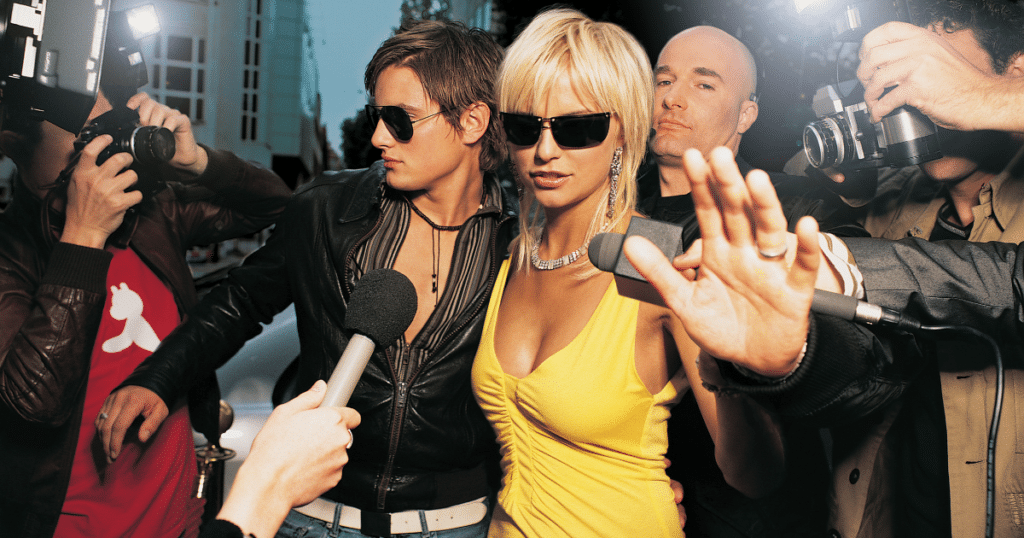
When we talk about social media, we’re focusing on the major platforms: Snapchat, Instagram, Facebook, and Twitter. These platforms have become the easiest way to fake your way to Instafame. You can go from an unknown to a fitness icon overnight, and many online personalities have done just that.
We now live in a world where our phones are high-powered cameras, and the once-private bathroom has become a photo studio. Your social media feed is likely flooded with selfies taken next to a toilet, all for the sake of showing off a physique. But what you see is rarely what you get.
Hiding behind a phone screen provides the perfect cover. Digital editing tools allow anyone to craft a new reality and catapult themselves to Instafame status. A study by Case24 found that a staggering 71% of people use apps like FaceTune before posting a picture on Instagram. These tools make it terrifyingly easy to reshape bodies, shrink waists, and enhance muscles with a few swipes.
The problem is that most followers believe these altered images are real. You can often spot the edits if you look closely for warped backgrounds or bent lines near the body, but the deception is usually subtle enough to go unnoticed. This is why you rarely see these same influencers in video, where digital alterations are far more difficult.
In my experience, I’ve seen a now-famous female fitness personality who faced so much criticism for her edited photos that she underwent extensive plastic surgery. Overnight, her body completely changed. Her physique suddenly matched her doctored images, and her facial structure was different.
This individual now uses her surgically-enhanced and digitally-polished image to sell her brand, including generic personal training programs. These “cookie-cutter” plans are not personalized and show a complete lack of understanding of actual fitness and nutrition principles. She used plastic surgery as a business expense to cash in on her Instafame.

This isn’t just a female issue, either. Many men in the industry have been caught using photo editing to appear bigger, leaner, and more muscular than they are in reality. They harden their abs and inflate their muscles with digital tools, creating an impossible standard for their followers.
YouTube Personalities
Streaming platforms like Netflix and YouTube have replaced traditional television for many, which is both a good and a bad thing for the fitness world. You have incredible experts sharing science-backed, educational content. Then you have the clowns trying to fake their way to Instafame stardom.
When someone who heavily Photoshops their images on Instagram tries to create YouTube videos, the difference is immediately obvious. I’ve seen guys who appear massive in their photos look half the size in their videos, with a thicker waist and underdeveloped legs. It’s a jarring disconnect that exposes the lie.
In one case, an influencer known for his doctored images was filming a workout for YouTube, attempted to lift a weight that was clearly too heavy for his actual strength level, and tore his pectoral muscle on camera. Of course, he later posted the injury video to monetize the views.
InstaFAME Monetization
The ultimate goal of Instafame for these personalities is monetization. With a large following, they can charge for appearances, sell product mentions on their social media, and earn ad revenue from videos. Influencers with over 100,000 followers can earn anywhere from $1,000 to $5,000 per sponsored post. Those with over a million can command over $10,000 for a single post.
The problem arises when making money becomes more important than helping people. They become “sell-outs.” You’ve seen the videos that start with “this video is sponsored by…” Initially, you might trust their recommendation. But then the next video has a different sponsor, and the one after that has another. You start to question their authenticity.
To protect consumers from these deceptive practices, the Federal Trade Commission (FTC) has established clear guidelines. These rules require influencers to disclose any “material connection” to a brand, which includes payments, free products, or even family relationships.
According to the FTC, simple hashtags like #ad or #sponsored must be placed where they are easy to see, not buried in a long list of other tags. For videos, the disclosure must be made verbally, not just in the description box where it can be missed.
I get it, this is a business. But there is a fine line between being an educator and being a salesperson who only cares about the payday.
Fake It Until You Make It or Fake It Until You Get Instafame Busted?
The “fake it until you make it” mantra only gets you so far. If you follow the path of digital deception and empty promises, you will eventually be called out by people who actually know the industry. The risk of becoming a laughingstock is incredibly high.
Many influencers end up faking it until they get busted. This was famously the case with the “Liver King,” who attributed his extreme physique to a diet of raw organs while documents later revealed he was spending over $11,000 a month on performance-enhancing drugs. Using photo editing and making false claims are sure ways to lose all respect from your followers.
Many of the people who follow these accounts for the “T&A” show are not the ones who will become loyal customers or trust your advice. They bring no real value to your platform. They are there for one thing, and it isn’t genuine fitness guidance.
Do It the Right Way from the Beginning and it Will Get Noticed
In my professional opinion, true respect belongs to the creators who prioritize education over monetization. They are doing it to genuinely help people. Too often, these Instafame personalities only want the spotlight on themselves, not on solving real problems for people who want to live longer, healthier lives.
I built my career on providing value. How many people get excited when they hear the name “Matt Weik?” Probably not many. But the private emails and messages I receive from people telling me my work has changed their life, that is the real reward.
I am not in this for the fame. In fact, I don’t want it. I prefer to be the guy who can walk down the street without anyone giving me a second look. People rarely remember the writer; they remember the headline and the information that helped them. And I’m perfectly okay with that.
My fulfillment comes from helping people, not from getting thousands of likes on a social media post. Don’t do things for fame. Fame is temporary. Someone else will always come along who can edit photos better or find better lighting in their bathroom. You’ll eventually be forgotten.
Build your brand the right way, with integrity and expertise. The long-term value you get from truly bettering someone’s life is worth far more than the five minutes of fame you get from a social media post.
FAQs About InstaFAME
1. How can you spot a fake fitness influencer?
Look for red flags. These include promising unrealistic transformations (like gaining 20 pounds of muscle in a month), promoting extreme diets, and having a “perfect” physique without any visible flaws or bad angles. Also, check their credentials. Many top influencers lack formal certifications in personal training or nutrition.
2. Are all fitness influencers who sell programs scams?
No, not at all. Many qualified and ethical professionals sell excellent, well-structured programs. The difference lies in transparency and personalization. A scammer often sells a “one-size-fits-all” plan that isn’t tailored to individual needs, as was the case in the lawsuit against influencer Brittany Dawn, who was accused of selling generic plans as personalized coaching.
3. How much money do these influencers actually make?
The income varies wildly. Nano-influencers (1,000-10,000 followers) might make $150 to $600 per post. Mega-influencers can earn over $10,000 for a single sponsored post and build multi-million dollar empires through apps and product lines. This huge financial incentive is a major driver behind the deceptive practices.
4. Who are some reliable, science-based fitness experts to follow?
To avoid the hype, look for creators who emphasize science and education. Experts like Jeff Nippard, who has a BSc in biochemistry, and Jeremy Ethier, a kinesiologist, are widely respected for their evidence-based content that breaks down complex topics into actionable advice. They focus on teaching the “why” behind their methods, not just showing off results.
*Disclosure: This article may contain affiliate links or ads, which means we earn a small commission at no extra cost to you if you make a purchase through these links. These commissions help support the operation and maintenance of our website, allowing us to continue producing free valuable content. Your support is genuinely appreciated, whether you choose to use our links or not. Thank you for being a part of our community and enjoying our content.
PLEASE CONSIDER SHARING THIS ON YOUR SOCIAL MEDIA TO HELP OTHERS LEARN MORE ABOUT THIS TOPIC.