

Is Brand Loyalty More Powerful Than Price?
Is brand loyalty a stronger motivator for customers than a lower price? For many business owners, this is the million-dollar question. In my 20-plus years in the fitness and supplement industry, I’ve seen firsthand that people who connect with a brand will stick with it, even when cheaper options are available.
Thinking about brand loyalty often brings shipping companies to mind, like FedEx or UPS. Personally, I’m a UPS guy. It’s not about a deep relationship, but rather a history of reliable service and positive experiences. They’ve consistently delivered on time, and their customer service has been helpful when I’ve needed it.
This same principle applies directly to the supplement industry. With countless brands on the market, understanding what truly builds loyalty is critical for business growth. The data is clear: loyal customers are the bedrock of a sustainable business.
In fact, research from Bain & Company, referenced in multiple business analyses, shows that increasing customer retention by just 5% can increase profits by an incredible 25% to 95%. This guide will break down what brand loyalty really means and give you actionable strategies to build it.
Related Article: Who Shows More Loyalty These Days? Brands or Retailers?
Table of contents
Key Takeaways
- Brand loyalty is a deep customer commitment that often outweighs price, driven by trust, positive experiences, and emotional connection.
- Increasing customer retention by just 5% can boost profits by 25% to 95%, making loyalty a powerful engine for business growth.
- Effective strategies to build loyalty include creating a community, providing exceptional and personalized customer service, and implementing a rewarding loyalty program.
- For supplement companies specifically, building a sense of belonging, offering value beyond the product, and creating a comprehensive product line are crucial for fostering long-term loyalty.

What Exactly is Brand Loyalty?
Brand loyalty is the positive and powerful connection a customer feels toward your business. It’s the reason they choose your products or services repeatedly, even when competitors offer similar items at a lower price. This loyalty is built on a foundation of trust, consistent satisfaction, and a genuine emotional connection.
The financial impact of this connection is significant. Loyal customers spend 67% more than new ones, and a staggering 65% of a company’s revenue often comes from repeat business from existing customers. This makes fostering loyalty one of the most profitable investments you can make.
Key aspects of brand loyalty include:
- Repeat Purchases: Loyal customers consistently choose your brand because they trust its quality and performance.
- Resistance to Competitors: They are far less likely to be swayed by a competitor’s sale or promotion.
- Emotional Connection: Strong loyalty often comes from an alignment with your brand’s values and image.
- Positive Experience: Every positive interaction, from product use to customer service, strengthens their commitment.
- Brand Advocacy: Loyal customers become your best marketers, recommending you to friends and family.
- Reduced Price Sensitivity: They are often willing to pay more because they perceive greater value and have trust in your brand.
Building this deep-seated loyalty requires a continuous effort to ensure every customer interaction is positive. When you succeed, you create a stable and growing foundation for your business.
What Are Some Examples of Brand Loyalty?

Brand loyalty is all around us, demonstrated by companies that have built unshakable connections with their customers. Here are a few powerful examples:
- Apple: Apple is a masterclass in brand loyalty, with iPhone loyalty rates consistently exceeding 90%. Customers remain committed due to the seamless ecosystem, user-friendly design, and the sense of being part of an innovative community.
- Starbucks: The Starbucks Rewards program is a huge driver of its success, boasting over 28 million active members in the U.S. alone. Through gamified challenges and personalized offers in its app, Starbucks turns a daily coffee purchase into a rewarding experience.
- Amazon Prime: Amazon has built an empire on loyalty. The proof is in the spending, as Prime members spend an average of $1,400 per year, more than double the $600 spent by non-members. The convenience of fast shipping and a wide array of services makes the membership indispensable for millions.
- Nike: With its iconic “swoosh” and powerful athlete endorsements, Nike has cultivated a following that identifies with its message of performance and determination. Their loyalty program, Nike Membership, offers exclusive access to products and experiences that deepen this connection.
- Harley-Davidson: The Harley Owners Group (H.O.G.) is one of the oldest and most successful brand communities, founded back in 1983. It transforms the act of buying a motorcycle into joining a global tribe united by a passion for freedom and the open road.
- Patagonia: This brand attracts fiercely loyal customers by aligning with their values. Patagonia’s commitment to environmental sustainability and ethical practices creates a powerful bond with consumers who want their purchases to reflect their beliefs.
These examples show that loyalty is built on more than just a good product. It’s created through shared values, exceptional experiences, and a sense of belonging.
What Are the 5 Characteristics of Brand Loyalty?
Brand loyalty isn’t a single action, but a collection of behaviors and attitudes that signal a deep connection between a customer and a brand. Here are five key characteristics that define a truly loyal customer:
- Repeat Purchases: This is the most visible sign of loyalty. Customers consistently choose your brand over others, often without considering alternatives. This reliable purchasing behavior forms a stable revenue base for your business.
- Emotional Connection: Loyal customers feel a sense of belonging with the brand. They often align with its values and purpose, making their support more than just a transactional relationship. A 2023 study confirmed that purchase decisions are becoming more emotional.
- Consistent Engagement: Beyond just buying, loyal customers actively interact with the brand. They might follow and engage on social media, subscribe to newsletters, or participate in loyalty programs. This ongoing dialogue keeps the brand top-of-mind.
- Reduced Sensitivity to Price: While everyone loves a good deal, loyal customers are less likely to switch to a competitor for a small discount. In fact, 86% of buyers are willing to pay more for a great customer experience. They trust the value and quality they receive from your brand, which justifies a higher price point.
- Brand Advocacy: This is the ultimate level of loyalty. Customers become vocal supporters, recommending the brand to friends, family, and online networks. This word-of-mouth marketing is incredibly powerful, as 86% of loyal customers will recommend a brand to others.
When you see these characteristics in your customer base, you know you are building a strong, resilient brand that can thrive in a competitive market.
How to Build Brand Loyalty with Customers?
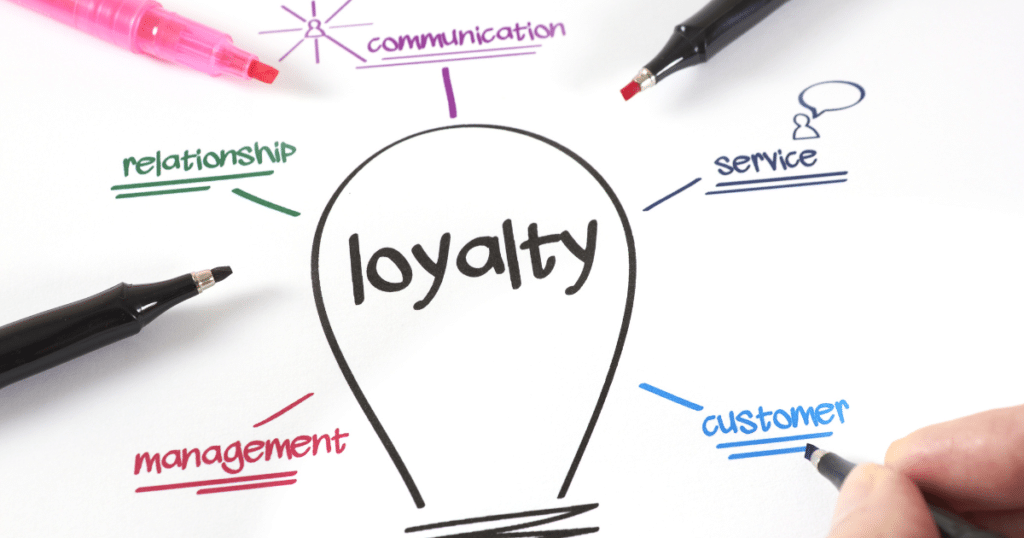
Building brand loyalty is an ongoing process that requires a strategic focus on creating value and fostering positive connections. It doesn’t happen by accident. Here are some of the most effective, data-backed strategies to turn first-time buyers into lifelong fans.
Deliver Exceptional Customer Experience
The foundation of loyalty is a great experience. Research from PwC shows that one in three customers will leave a brand they love after just one bad experience. Go the extra mile by providing prompt, friendly, and knowledgeable support. Using helpdesk software like Zendesk or Intercom can help you manage inquiries efficiently and ensure no customer feels ignored.
Personalize the Journey
Customers are more loyal to brands that make them feel understood. In fact, 80% of customers are more likely to do business with a company that offers personalized experiences. Use a CRM or email platform like HubSpot or Klaviyo to track purchase history and send targeted recommendations, birthday offers, or helpful content that adds real value.
Implement a Rewarding Loyalty Program
Loyalty programs are a proven strategy, with over 90% of companies now having some form of rewards initiative. These programs can deliver an average return of 4.8 times the investment. You can use platforms like Smile.io or Yotpo to create a program that offers points, exclusive access, or tiered benefits. The key is to make it simple to understand and redeem rewards.
Build a Thriving Community
Creating a space for customers to connect with each other and your brand fosters a deep sense of belonging. This could be a Facebook Group, a Discord server, or an online forum. The power tool company DEWALT, for example, saved a reported $6 million in research costs by leveraging its online community for feedback and ideas.
Remember, building brand loyalty is a long-term investment. By focusing on creating positive experiences and genuine connections, you can build a customer base that will advocate for your brand and support you for years to come.
Brand Loyalty: You Like What You Like — Period

A few years ago, during the economic downturn, many people became more price conscious, especially for non-essential items like supplements. Shoppers compared prices relentlessly to save every penny. However, as the economy has improved, that intense focus on price has softened for many.
Related Article: Why Lowering Your Price is a Terrible Business Move
Even when times were tough, a core group of consumers stuck with their go-to brands. Why? Because they are loyal. This loyalty stems from various factors. Some customers stick with a brand because it’s what they’ve always used and trust. Others have achieved great results with a specific product and see no reason to switch. For many, a positive customer service experience is enough to earn their repeat business.
This trend is very much alive in the supplement market. Research from 2021 shows that 61% of supplement shoppers rarely or never switch brands. We see brands selling protein powders for $10 to $20 more than competitors, yet customers continue to buy them. The reason is simple, loyalty.
People are willing to invest more in a brand if they feel a connection. No matter what a competitor does, these customers may experiment with other products, but they almost always return to the brand they trust.
Does Price Mean Anything Today?
Yes, price still matters, but it’s often not the deciding factor for a loyal customer. In my experience, it really comes down to preference and perceived value. Think about the coffee debate. A loyal Starbucks customer will happily wait in a long drive-thru line and pay a premium because they love the taste and the experience. They could get a cheaper, faster coffee at Dunkin’, but it wouldn’t be the same for them.
Related Article: Retail Experience is the ONLY Way Supplement Stores Survive
While executives often believe price is a top reason customers switch brands, consumer surveys tell a different story. A recent PwC report found that the number one reason people leave a brand is a bad experience with the product or service itself, not price. People are willing to pay for quality and reliability.
However, price is a powerful tool for attracting new customers. Someone just starting their fitness journey is more likely to try a $20 protein powder than a $50 one. This entry-level pricing can be a great way to introduce your brand, but long-term success depends on converting that new user into a loyal fan through quality, results, and a great customer experience.
How Can a Supplement Company Build Brand Loyalty?
Building brand loyalty in the competitive supplement market isn’t as daunting as it seems. It requires a clear strategy and consistent execution. From my perspective as a sports nutritionist and fitness professional, here are the most effective ways to create a loyal following.
1. Create a belonging
People love to feel like they’re part of something bigger. Your brand needs to build a community where customers feel accepted and understood. Not everyone wants a hardcore, “skull and crossbones” brand, and not everyone wants a soft, mainstream one. Define your identity and build a tribe around it.
Many successful direct-to-consumer brands, like Ghost, have excelled at this by creating vibrant communities on platforms like Facebook and Discord. They host live events, collaborate with fitness influencers, and create a space where fans can engage with the brand and each other. This sense of community turns customers into advocates.
2. Create a better customer experience
A great customer experience goes beyond just having a good product. It’s about adding value at every turn. This can be as simple as offering fast shipping or as thoughtful as including a handwritten thank you note in a customer’s first order.
A study found that 61% of consumers would switch to a competitor after just one poor experience, so every interaction counts.
For supplement brands, this also means providing free, valuable content. Think articles, workout guides, or nutrition tips that help customers on their fitness journey. This positions your brand as a trusted resource, not just a seller of powders and pills. When issues arise, resolving them quickly and generously by offering a refund or free product can turn a negative situation into a loyalty-building moment.
3. Create a strong brand
While having one great product is a good start, building a comprehensive product line makes it easier for customers to stick with you. If a customer loves your protein but has to go to another brand for their pre-workout, multivitamin, and creatine, you’re missing an opportunity to deepen that loyalty.
Having a well-rounded portfolio in key, best-selling categories gives your brand more credibility. It signals that you are an established and serious player in the industry. I’m not suggesting you need to produce every supplement under the sun, but covering the foundational categories encourages customers to make you their one-stop shop.
4. Create a solid marketing campaign
You can’t build loyalty if no one knows who you are. A smart marketing campaign is essential to get your brand in front of the right audience. This means being strategic with your budget and focusing on channels where your target customers spend their time.
Instead of just placing an ad in a fitness magazine, consider partnering with micro-influencers on TikTok or Instagram who have an engaged following. Their authentic endorsements can be incredibly effective. Likewise, educational content marketing, such as blog posts or YouTube videos explaining the science behind your ingredients, can build trust and attract a knowledgeable customer base. Fish where the fish are, and put your marketing dollars where they will have the most impact.
Brand Loyalty FAQs
How do you measure brand loyalty?
You can measure brand loyalty through several key metrics. Customer Lifetime Value (CLV) shows how much revenue a customer generates over time. The Net Promoter Score (NPS) measures how likely customers are to recommend your brand. You can also track your customer retention rate, which is the percentage of customers who stay with you over a given period, and the repeat purchase rate.
Can a small business compete with large brands on loyalty?
Absolutely. Small businesses have a unique advantage in building personal connections. Strategies like providing memorable first experiences, sending personalized thank-you notes, and engaging directly with customers on social media can create a level of loyalty that large corporations struggle to replicate.
How long does it take to build brand loyalty?
Building true brand loyalty is a gradual process. While a customer’s loyalty can be won early on through a great product experience, it is solidified over time through consistent, positive interactions. There is no set timeline, as it depends on the consistency of your product quality, customer service, and brand engagement efforts.

*Disclosure: This article may contain affiliate links or ads, which means we earn a small commission at no extra cost to you if you make a purchase through these links. These commissions help support the operation and maintenance of our website, allowing us to continue producing free valuable content. Your support is genuinely appreciated, whether you choose to use our links or not. Thank you for being a part of our community and enjoying our content.
PLEASE CONSIDER SHARING THIS ON YOUR SOCIAL MEDIA TO HELP OTHERS LEARN MORE ABOUT THIS TOPIC.