

Your Active Lifestyle Demands a Quality Protein Powder
If you’ve embraced an active lifestyle, you’re asking your body to perform at a high level, and I commend you for that. In my experience as a certified sports nutritionist, I’ve seen firsthand that when you don’t give your body the right fuel, your recovery slows, your energy vanishes, and your workouts suffer. Proper nutrition isn’t a suggestion; it’s a requirement.
Most of us get plenty of carbohydrates and fats, but protein is often the forgotten macronutrient. The International Society of Sports Nutrition recommends that active individuals consume 1.4 to 2.0 grams of protein per kilogram of body weight daily to optimize training adaptations. For a 180-pound person, that’s a significant amount to get from whole foods like meat, chicken, and eggs alone.
This is where the convenience of a quality protein powder becomes a game-changer. But not just any powder will do; you need one that works as hard as you do to match your active lifestyle.
Disclaimer: This article is for informational purposes only and is not meant to treat or diagnose any condition. It is recommended that you speak with your doctor before starting any exercise program, changing your daily nutrition, or adding any supplements to your regimen.
Table of contents
Key Takeaways
- An active lifestyle requires higher protein intake, with experts recommending 1.4-2.0 g/kg of body weight daily for optimal recovery and performance.
- Choosing the right protein, like whey isolate, is crucial for those with lactose sensitivity, while third-party certifications like NSF Certified for Sport ensure product purity.
- Effective protein powders often include digestive enzymes like proteases (bromelain, papain) to enhance absorption and reduce digestive discomfort.
- For muscle repair, aim for a protein source that provides 2-3 grams of the amino acid leucine per serving to effectively stimulate muscle protein synthesis.

What Does It Mean to Live an Active Lifestyle?
Living an active lifestyle means making physical activity a regular and integral part of your daily routine. It’s more than just hitting the gym occasionally; it’s about consistently incorporating movement into your life.
A great benchmark comes from the Centers for Disease Control and Prevention (CDC), which recommends adults get at least 150 minutes of moderate-intensity aerobic activity or 75 minutes of vigorous-intensity activity per week. On top of that, they suggest muscle-strengthening activities involving all major muscle groups on two or more days a week.
- Structured Exercise: This includes planned activities like running, swimming, cycling, or lifting weights.
- Daily Movement: Making active choices like taking the stairs, walking to the store, or even doing yard work all contribute.
- Recreational Activities: Engaging in sports, hiking, or dancing combines fitness with fun and social interaction.
- Minimizing Sedentary Time: It also means being mindful of how much you sit, whether at a desk or on the couch. Tools like an Apple Watch or Fitbit can be fantastic for tracking activity and providing reminders to move.
Why Would You Want to Live an Active Lifestyle?
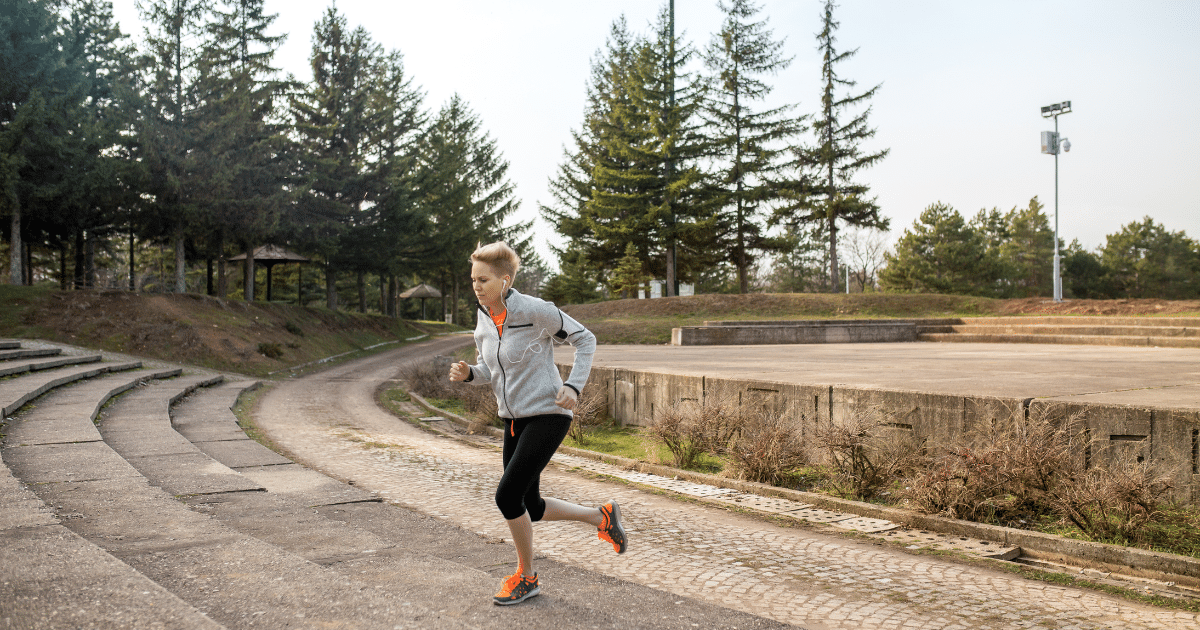
Committing to an active lifestyle unlocks a powerful range of benefits that impact nearly every aspect of your well-being. The positive changes are both immediate and long-term.
- Boosts Mental Health: Exercise is a proven stress-reducer. It stimulates the production of endorphins, which act as natural mood elevators and can reduce feelings of anxiety and depression.
- Improves Physical Health: Regular physical activity strengthens your heart, helps manage weight, and significantly reduces the risk of chronic conditions like type 2 diabetes and cardiovascular disease.
- Increases Energy Levels: It might sound counterintuitive, but using energy through exercise actually boosts your overall energy. It improves circulation and endurance, making daily tasks feel easier.
- Enhances Brain Function: Studies published in journals like Neurology have shown a strong link between physical activity and improved cognitive function, helping to keep your mind sharp as you age.
- Promotes Better Sleep: Consistent activity helps regulate your sleep patterns, leading to higher quality, more restorative rest.
Ultimately, an active lifestyle is a proactive investment in a healthier, more vibrant life.
You Need a Quality Protein Powder to Support Your Active Lifestyle
When it comes to recovery, protein is king. For fast-acting fuel to kickstart muscle repair, a rapidly digesting protein like whey is an excellent choice. A slow-digesting protein like casein, on the other hand, is great before bed to provide a steady supply of amino acids overnight.
Related Article: Do You Really Know What You’re Putting in Your Body?
The market is filled with options, but understanding the main types of whey helps you make a smarter choice.
| Whey Protein Type | Protein Content | Lactose & Fat | Best For |
|---|---|---|---|
| Concentrate (WPC) | 70-80% | Higher | General use and budget-conscious buyers. |
| Isolate (WPI) | 90%+ | Very Low | Lactose-sensitive individuals and those wanting purer protein. |
| Hydrolysate (WPH) | Variable | Lowest | Athletes needing the fastest possible absorption and recovery. |
A quality protein powder like a whey isolate gives you flexibility. It’s typically low in carbs and fat, allowing you to add ingredients like fruit for energy or natural peanut butter for healthy fats to meet your specific macro goals.

One of the biggest insider tips I can offer is to look for third-party certifications. Seals from organizations like NSF Certified for Sport or Informed-Choice verify that the product contains what the label says it does and is free of banned substances. This is a crucial step for competitive athletes and anyone serious about what they put in their body. Many trusted brands like Optimum Nutrition and Dymatize often carry these certifications.
While many whey protein isolate powders have fantastic flavor systems, their real value lies in digestibility, which ensures your muscles get the fuel they need.
Are You Really Absorbing ALL of the Protein?
Consuming protein is only half the battle; your body has to be able to absorb and use it to fuel you active lifestyle. If you’re investing in a quality protein powder, you want every gram to count toward your recovery.
This is why digestive enzymes are a key feature in premium protein powders. These enzymes help break down the protein into usable amino acids that can be shuttled to your muscles.
Look for powders that include proteases, which are enzymes specifically designed to break down protein. Common and effective examples include bromelain (from pineapple) and papain (from papaya), which can reduce soreness and improve digestion.
The goal is to get essential amino acids (EAAs) to your muscles. The most critical EAA for triggering muscle repair is leucine. Research consistently shows that a serving should contain around 2-3 grams of leucine to maximize muscle protein synthesis, the process of rebuilding muscle fibers.
Without proper absorption, all those powerful amino acids can’t do their job. Failing to fully recover before your next workout is counterproductive to your progress. An active lifestyle demands smarter recovery.
FAQs
How much protein do I really need for an active lifestyle?
The International Society of Sports Nutrition recommends 1.4-2.0 grams of protein per kilogram of bodyweight (or about 0.6-0.9 grams per pound) for active individuals to support muscle repair and growth.
When is the best time to take protein powder?
While the “anabolic window” idea of needing protein within 30-60 minutes post-workout is popular, research shows that the anabolic effect of exercise lasts for at least 24 hours. The most important factor is meeting your total daily protein goal. For convenience and to kickstart recovery, taking it shortly after a workout is a great strategy.
Can I use protein powder if I’m lactose intolerant?
Absolutely. You should opt for a Whey Protein Isolate (WPI), which has the vast majority of lactose filtered out. Alternatively, high-quality plant-based protein powders from sources like pea, hemp, or soy are naturally lactose-free and excellent options.
What should I look for to avoid bloating from protein powder?
Bloating is a common complaint seen on fitness forums like Reddit. It’s often caused by lactose or artificial sweeteners. To avoid it, choose a whey protein isolate for lower lactose, select a product with added digestive enzymes like protease and lactase, or try a plant-based protein, which many find easier to digest.


*Disclosure: This article may contain affiliate links or ads, which means we earn a small commission at no extra cost to you if you make a purchase through these links. These commissions help support the operation and maintenance of our website, allowing us to continue producing free valuable content. Your support is genuinely appreciated, whether you choose to use our links or not. Thank you for being a part of our community and enjoying our content.
PLEASE CONSIDER SHARING THIS ON YOUR SOCIAL MEDIA TO HELP OTHERS LEARN MORE ABOUT THIS TOPIC.