
The Future of Bodybuilding
When you look at the sport of bodybuilding today, it’s incredible to see just how much has changed over the last two decades. The “mass monster” era that defined the 90s and 2000s pushed the limits of human muscle, but the ground is shifting when it comes to the future of bodybuilding.
As a certified coach and sports nutritionist, I’ve seen the conversation change. The question is no longer just “how big can we get?” Instead, athletes and fans are asking what the ideal physique should even look like. This shift is charting a new course for the future of bodybuilding.
So where is the sport headed? It’s not just about 300-pound physiques anymore. As we’ll explore, new divisions, changing fan interests, and a renewed focus on health are all reshaping what it means to be a bodybuilder.
Table of contents
Key Takeaways:
- The focus in bodybuilding is shifting from pure mass (Men’s Open) to aesthetics, with divisions like Classic Physique gaining immense popularity.
- Social media has changed the game, allowing athletes like Chris Bumstead to build huge followings and influence fan perception of the ideal physique.
- Judging criteria are adapting, with more emphasis on symmetry and conditioning to address concerns like the “bubble gut” that was common in the mass monster era.
- There is a growing conversation around health and longevity, leading to increased interest in natural bodybuilding federations as an alternative to untested leagues.

The Evolution of Muscle in Bodybuilding
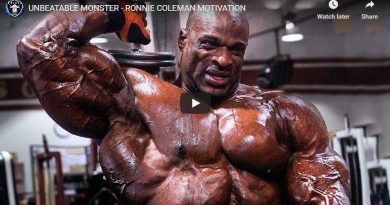
The days of focusing purely on symmetry and a tiny waist, the hallmark of the “Golden Era,” have certainly been challenged. For years, as everything got bigger, the sport seemed to be on a one-way track toward mass above all else. This trend began with Arnold Schwarzenegger, whose size and confidence changed the game. It was then taken to a new level by athletes like Dorian Yates and, most notably, Ronnie Coleman, an eight-time Mr. Olympia winner who redefined what was possible in terms of muscle mass.
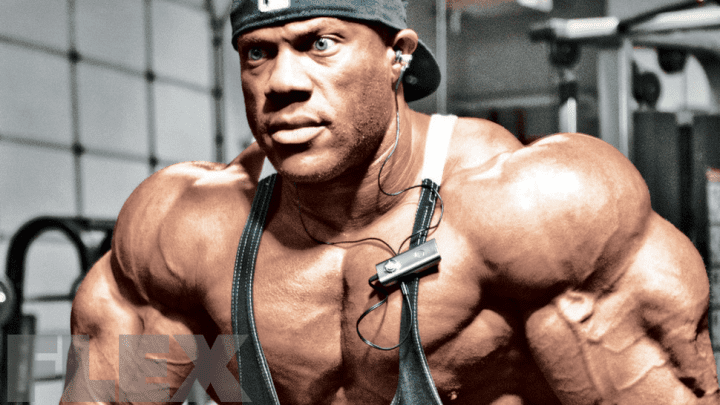
For a long time, the judging seemed to reward these “mass monsters.” Competitors like Phil Heath and Mamdouh “Big Ramy” Elssbiay continued this legacy, pushing stage weights toward an incredible 300 pounds. However, the future of bodybuilding is proving to be more complex than just a linear push for more size.
Today’s landscape is much more diverse. While the Men’s Open division still crowns titans of the sport like the 2025 Mr. Olympia winner Derek Lunsford, much of the fan excitement has shifted. A new generation of athletes is leading this change, not by getting bigger, but by calling back to a different ideal.
A Tale of Two Physiques: Open vs. Classic
The biggest story in modern bodybuilding is the explosive popularity of the Classic Physique division. This category was created to reward the aesthetics, symmetry, and proportions reminiscent of the sport’s Golden Era. No one embodies this shift more than Chris Bumstead, who won a record six consecutive Classic Physique Olympia titles before retiring.
The difference in fan engagement is staggering. Bumstead’s social media following dwarfs that of most Men’s Open competitors, proving that a significant portion of the audience now prefers a more aesthetic and attainable look over pure mass. This shift in popularity has even led to debates about whether Classic Physique could one day become the premier division in the sport.
Flip Flop Judging Could Change the Future of Bodybuilding
The judging criteria in the IFBB Pro League have always been a source of debate, and they play a massive role in shaping the future of bodybuilding. For years, it seemed inconsistent. One show would reward a competitor for being incredibly shredded, while the next would give the top spot to a much larger athlete who lacked the same level of conditioning, sometimes sporting the infamous “bubble gut.”
This inconsistency often favored the mass freaks. A prime example was the dominance of Ronnie Coleman. While undeniably one of the greatest of all time with eight Mr. Olympia titles, his reign solidified the trend of mass over aesthetics. This left supremely conditioned and symmetrical athletes like Dexter Jackson, who holds the record for the most pro wins in IFBB history, often falling short of the top spot against larger competitors.
How Judging Is Adapting to the New Era
The rise of new divisions has forced a clarification in judging. The criteria for Classic Physique, for example, explicitly state that there is “less emphasis on mass” and that judges should not reward physiques that are “overly dense or thick like in body building.” Key factors include:
- Emphasis on V-Taper: A small, controlled waist is critical.
- Symmetry and Flow: The overall shape and balance of the physique are paramount.
- Conditioning without Extremes: Athletes should be lean, but not “overly shredded, vascular or grainy.”
The IFBB Pro League has also adjusted its Olympia qualification system for 2026. For popular divisions like Classic Physique and Men’s Physique, athletes now need to win two shows or rank in the top 25 of a points system to qualify. This encourages more frequent competition and rewards consistency, potentially creating a more exciting season for fans.

Are Aesthetics and Social Media Influence the Future of Bodybuilding?
The future of bodybuilding is being shaped as much on Instagram and YouTube as it is on the Olympia stage. The rise of the fitness influencer has created a new pathway to success that doesn’t solely rely on winning competitions. This has fundamentally changed what kind of physique gets the most attention.
Athletes like Chris Bumstead have demonstrated that a massive, engaged fanbase can be more lucrative and influential than a single competition win. His popularity shows that fans connect with the Classic Physique ideal, one that emphasizes a powerful but balanced and aesthetically pleasing look. This trend is not just about one athlete, it represents a broader shift in what the market values.
Health, Longevity, and the Rise of Natural Bodybuilding
A serious conversation about the health risks associated with professional bodybuilding is becoming more prominent. The “win at all costs” mentality has had tragic consequences, and the community is beginning to address it. Recent studies have highlighted the significant health risks involved, especially at the professional level.
A 2025 study published in the European Heart Journal found that professional male bodybuilders had a five times higher risk of sudden cardiac death compared to amateurs. The average age of sudden cardiac death among competitors was a shocking 34.7 years.
This growing awareness is fueling a counter-movement. Natural bodybuilding federations, which require strict drug testing, are gaining traction. Organizations like the NPC, ANBF, and USBF are seeing increased interest from athletes who want to compete without compromising their long-term health. In a 2024 announcement, the NPC and IFBB Pro League even revealed plans to significantly expand their natural competitions worldwide, signaling a major investment in this growing segment of the sport.
This trend toward longevity and health isn’t just happening in a niche corner of the sport. It’s part of a broader fitness movement in 2026 that prioritizes sustainable practices for a long and active life. For bodybuilding, this means the future may include a much stronger and more popular “natural” track running alongside the untested professional leagues.
FAQs About the Future of Bodybuilding
Is Men’s Open bodybuilding dying?
No, but it is evolving. While divisions like Classic Physique are more popular on social media, Men’s Open competitions like the Mr. Olympia still offer the biggest prize money and are considered the pinnacle of the sport by many. The future will likely see multiple popular divisions coexisting rather than one replacing the other.
What is the most popular bodybuilding division?
In terms of fan engagement and social media following, Classic Physique is arguably the most popular men’s division right now. For women, the Bikini and Wellness divisions have seen enormous growth due to the more attainable look they promote.
Will bodybuilding ever become mainstream?
While the most extreme versions of the sport will likely remain a niche, the principles of bodybuilding, such as strength training for health and aesthetics, are more mainstream than ever. The rise of Classic Physique and Men’s Physique, which present a less extreme look, is making competitive bodybuilding more relatable to a general fitness audience.


*Disclosure: This article may contain affiliate links or ads, which means we earn a small commission at no extra cost to you if you make a purchase through these links. These commissions help support the operation and maintenance of our website, allowing us to continue producing free valuable content. Your support is genuinely appreciated, whether you choose to use our links or not. Thank you for being a part of our community and enjoying our content.
PLEASE CONSIDER SHARING THIS ON YOUR SOCIAL MEDIA TO HELP OTHERS LEARN MORE ABOUT THIS TOPIC.