

Supplement Brands Disrupt the Market When Leaving their Roots
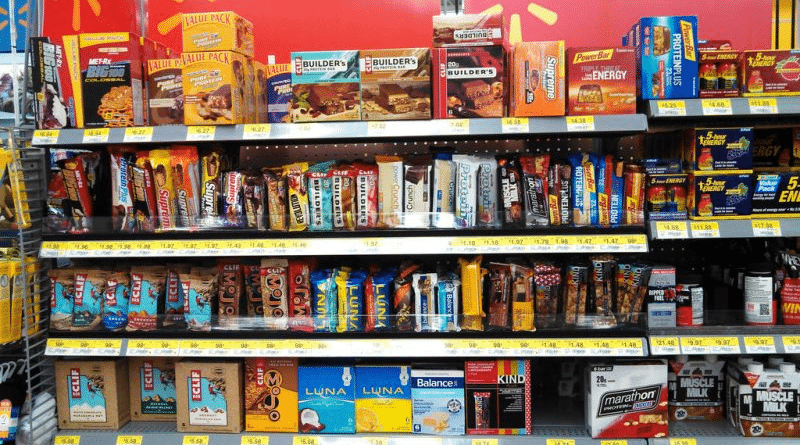
Supplement brands are always looking for ways to increase their business. While gyms and specialty sports nutrition retailers are the foundation, the search for growth is constant.
Many brands are now targeting convenience stores (c-stores) to open a new sales channel. This seems like a smart move on the surface, but it can backfire spectacularly.
As someone who has been in this industry for a long time, I see both the massive potential and the serious risks. Let’s break down what happens when supplement brands leave their roots.
Table of contents
Key Takeaways
- Expanding into convenience stores can offer massive growth but risks alienating the core specialty retailers who built the brand.
- Price undercutting is a major issue. Mass market channels can sell products for significantly less, making specialty stores uncompetitive.
- Successful expansion often requires product differentiation, such as creating unique sizes or flavors specifically for the convenience channel.
- The modern consumer, including blue-collar workers and busy professionals, now seeks grab-and-go health products, driving this market shift.

Supplement Brands Crushing Their Existing Retailers
Your brand’s move into mass-market channels can completely disrupt the ecosystem that built you. In my near-decade working for a large supplement manufacturer, I saw this happen firsthand, and it often damages the specialty channel that provides the educated, loyal customer base.
A classic case study is the brand EAS. Once owned by Abbott Nutrition, they were a giant in specialty sports nutrition. When they decided to chase volume in grocery and drug stores, the specialty retailers who supported them from day one felt betrayed and dropped the line. EAS eventually faded and was discontinued around 2018, a cautionary tale about forgetting your roots.
This conflict still happens as brands enter FDM (food, drug, and mass) markets. These large retailers have immense buying power and demand better pricing, which they receive. This creates an impossible situation for the smaller guys.
Imagine you buy a MET-Rx Big 100 Colossal bar for $3.00 from your local gym. On the way home, you see the exact same bar at a grocery store on sale for 2 for $4.00. You’d never buy that bar from the gym again. This is precisely the problem. Sports nutrition retailers need products that aren’t in a price war with Walmart or 7-Eleven.
I can’t blame them for dropping brands who undercut them and forget who created the initial demand in the market.
Supplementing with some “C”
The move into convenience stores creates the same channel conflict we saw with FDM. The loyalty between brands and their foundational specialty retailers is tested, and often broken. Retailers are forced to “cherry-pick” only the most unique items from a line that won’t be sold cheaper at the gas station down the street.
Glanbia Performance Nutrition, owner of Optimum Nutrition and BSN, was a major player navigating this transition. A sales director noted the shift, saying, “The health and wellness trend, which is now mainstream…[yet] the consumer really wants both snacks and drinks in a grab-and-go, very convenient format.”
They are right, but the execution is critical. In my experience, there needs to be a clear separation. If you sell a large protein bar in gyms, you should create a smaller, different version for the C-store. Glanbia did this with their Optimum Nutrition Cake Bites, launching them in over 1,200 Speedway gas stations. While the product was good, it still risked cannibalizing sales from their loyal accounts.
The modern playbook for this expansion is product differentiation. Brands like Ghost Energy have excelled by creating exclusive flavors or products for specific channels, such as their “Swedish Fish” flavor for 7-Eleven. This strategy allows them to capture C-store growth without directly competing with their specialty partners.
Glanbia also planned to release other products from BSN and Isopure into this channel. A smart move they made was differentiating their Isopure RTD. In gyms, you could buy a 20-ounce bottle. For the convenience market, they launched a smaller 12-ounce version. This is the key, creating different products for different markets to minimize conflict.
“It’s Not Just for Fitness-Minded Individuals…”
The push into convenience is driven by a simple fact: the customer has changed. The market for health and wellness products is no longer limited to dedicated gym-goers.
Glanbia’s own research found that blue-collar workers were using C-stores to find products that offered good nutrition and energy for their physically demanding jobs. This insight revealed a massive, underserved market. According to the NACS State of the Industry Report, healthy snacks and functional beverages are one of the fastest-growing categories in convenience stores, showing this trend has only accelerated.
The goal for these brands is to become a household name, recognized beyond the hardcore fitness community. Brands like Celsius have achieved this spectacularly, with their stock price soaring after securing major distribution deals with gas stations and convenience chains across the country.
So, how does a brand succeed? The results from the last several years are clear.
- Product Differentiation is Non-Negotiable: You cannot just place your gym-focused product in a new market and expect it to work without friction. New sizes, formulas, or flavors are essential.
- Understand the New Consumer: The C-store customer is buying for immediate need, convenience, and energy, not just post-workout recovery. Marketing and product formulation must reflect this.
- Maintain Relationships: Smart brands communicate with their specialty retailers, often giving them exclusive products or first access to new innovations to maintain loyalty.
The brands that follow this path can find incredible new revenue streams. Those that simply chase a quick dollar by putting the same product everywhere often learn a hard lesson about brand loyalty.
FAQs About Supplement Brands
What is the biggest risk for supplement brands moving into convenience stores?
The primary risk is alienating the specialty retail partners who helped build the brand’s credibility. Price undercutting and channel conflict can cause these core partners to drop the product line, damaging the brand’s reputation with its most loyal customers.
Why do convenience stores want to carry more supplement products?
Convenience stores want these products because they offer higher profit margins than traditional snacks and are in high demand. Reports from industry groups like NACS consistently show that functional beverages and healthy grab-and-go options are major growth drivers for the industry.
Are there examples of supplement brands that successfully expanded without alienating their original customers?
Yes. Brands like Ghost have managed this well. They focus on creating exclusive flavors and collaborations for different channels. This allows them to have a huge presence in convenience stores like 7-Eleven while still offering unique products to their specialty partners like GNC, ensuring both channels have a reason to support the brand.
How can specialty retailers compete with mass-market pricing?
Specialty retailers compete by focusing on expertise, customer service, and product curation. They can thrive by carrying more niche, high-end, or complex products that require an educated sales staff to explain. They also benefit from carrying brands that commit to channel exclusivity and don’t compete on price in mass-market outlets.

*Disclosure: This article may contain affiliate links or ads, which means we earn a small commission at no extra cost to you if you make a purchase through these links. These commissions help support the operation and maintenance of our website, allowing us to continue producing free valuable content. Your support is genuinely appreciated, whether you choose to use our links or not. Thank you for being a part of our community and enjoying our content.
PLEASE CONSIDER SHARING THIS ON YOUR SOCIAL MEDIA TO HELP OTHERS LEARN MORE ABOUT THIS TOPIC.