

Sports Foods: The Future of the Supplement Market?
The supplement industry is constantly changing, with trends shifting from popular sports drinks to the rising demand for sports foods. For years, athletes have relied on protein shakes and recovery drinks to boost their performance. Now, a broader range of people are getting active and focusing on their health, driving a major market shift towards sports foods.
This isn’t just a small trend. The global sports food market was valued at an impressive $12.80 billion in 2025 and is expected to grow to $22.53 billion by 2034. This remarkable growth shows that convenient, nutrient-rich foods are becoming essential for everyone from elite athletes to weekend warriors.
In my experience as a sports nutritionist, this guide will break down what these changes mean for you. We’ll explore how to choose the right products and what to watch out for, giving you the knowledge to fuel your body effectively.
Disclaimer: This article is for informational purposes only and is not meant to treat or diagnose any condition. It is recommended that you speak with your doctor before starting any exercise program, changing your daily nutrition, or adding any supplements to your regimen.
Table of contents
Key Takeaways
- The global sports food market is projected to reach $22.53 billion by 2034, driven by a growing interest in health and fitness among the general population.
- Sports foods offer a convenient way to address common nutrient deficiencies in active individuals, such as iron, magnesium, and B vitamins.
- Modern sports foods have moved beyond basic bars to include innovative products like high-protein snacks, functional beverages, and ready-to-eat meals.
- It’s crucial to read nutrition labels carefully, as many products contain hidden sugars or sugar alcohols like maltitol and erythritol, which can cause digestive issues.
- While the FDA regulates the industry, consumers should stay informed about product quality and questionable ingredients to make safe choices.
Macro/Micronutrients
Even when people focus on eating natural and organic foods, they can still miss out on key nutrients. Active individuals, in particular, often have higher needs for certain vitamins and minerals that their diet may not fully provide. For example, athletes often require up to 20% more magnesium than sedentary people due to its role in muscle function and energy production.
Common deficiencies among athletes include:
- Iron: Essential for transporting oxygen to your muscles, a deficiency can cause fatigue and shortness of breath.
- Vitamin D: Crucial for bone health and immune function, low levels can lead to stress fractures and weakness.
- B Vitamins: These help your body produce energy and repair tissue, but can be depleted through sweat.
While a simple fix might seem like a multivitamin, many people forget to take pills daily. This is where sports foods provide a huge advantage. Grabbing a fortified protein bar or a ready-to-drink shake is often much more convenient and appealing.
The Supplement Industry is on the Rise with Sports Foods
The demand for sports nutrition products and sports foods is exploding. This growth isn’t just from elite athletes anymore. It’s driven by everyday active consumers who want to improve their health and performance.
Market data confirms this trend. According to Fortune Business Insights, the global sports food market is projected to grow from $13.45 billion in 2026 to $22.53 billion by 2034, with a steady compound annual growth rate of 6.66%. North America currently leads this charge, accounting for over 46% of the market in 2025.
This boom means more companies are entering the market, leading to more innovation and better products for you. The focus is shifting towards clean-label, plant-based, and functional ingredients that offer benefits beyond basic nutrition.
Out with The Old and In with the New
I’ve been in the fitness world long enough to remember when protein bars tasted like cardboard. Fortunately, those days are long gone. The taste and variety of sports foods today are incredible, but that doesn’t mean you can let your guard down.
A pro-tip I always share with my clients is to become a label detective. Many protein bars are just candy bars in disguise, packed with sugars and unhealthy fats. While they deliver protein, the negatives often outweigh the positives.
To combat high sugar content, many companies use sugar alcohols like erythritol, xylitol, and maltitol. While these reduce the calorie count, they can cause significant digestive problems for many people, including gas, bloating, and diarrhea.

For instance, Pure Protein bars often contain maltitol, which is known to cause digestive distress and can still spike blood sugar levels. Always check the ingredient list before you buy, so you know exactly what you’re putting into your body.
Sports Foods on the Rise
The innovation in sports foods is truly exciting. The market has expanded far beyond just protein bars and powders. Big players like PepsiCo and Glanbia (the parent company of Optimum Nutrition and BSN) are competing with specialized brands like Quest Nutrition and Clif Bar & Company to create unique products.
Today, you can find a huge variety of functional foods designed to fit any lifestyle.
- Convenient Meals: Companies like Huel offer meal replacements that provide balanced nutrition for busy people.
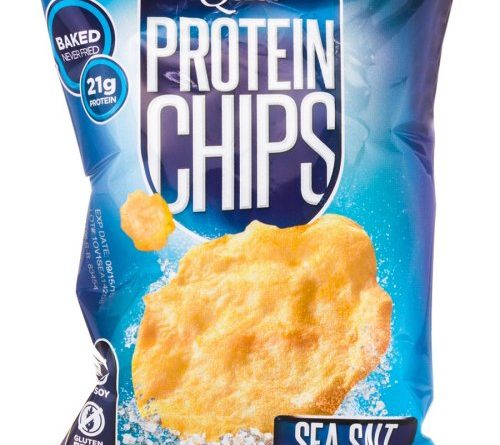
- High-Protein Snacks: Beyond bars, you can now find high-protein chips, cookies, and even chocolate spreads. Grenade’s Carb Killa bars are a popular example of a snack positioned as a healthier alternative to candy.
- Functional Beverages: The market is full of ready-to-drink protein shakes, electrolyte-infused waters, and clean energy drinks that provide sustained performance without the crash.
From what I’ve seen, this is just the beginning. The trend is moving towards personalization, with products designed to support everything from muscle growth and recovery to cognitive function. As a fitness and supplement nerd, I can’t wait to see what comes next.
What Goes Up Must Come Down
Despite all the exciting growth, the journey for the sports food industry isn’t without its challenges. One of the biggest hurdles is consumer trust. Negative perceptions about questionable ingredients, including banned substances, remain a concern for many.
The U.S. Food and Drug Administration (FDA) regulates dietary supplements under the Dietary Supplement Health and Education Act of 1994 (DSHEA). Under this act, manufacturers are responsible for ensuring their products are safe and properly labeled before they go to market. However, the FDA’s enforcement role largely begins *after* a product is already being sold, meaning consumers bear some of the burden for reporting issues.
The FDA does take action, issuing warning letters and recalls for misbranded or adulterated products. In recent years, it has focused on strengthening its oversight, such as clarifying rules around new dietary ingredients. As sports foods become more mainstream, it’s possible we will see increased scrutiny to ensure consumer safety. Only time will tell, but for now, the responsibility falls on us to be smart and informed consumers.
FAQs About Sports Foods
What is the main difference between sports foods and traditional supplements?
Sports foods are designed to look and feel like regular food items, such as bars, snacks, and ready-to-drink beverages, but are fortified with specific nutrients to support athletic performance and recovery. Traditional supplements typically come in forms like powders, capsules, or pills.
Are sports foods healthy for people who aren’t athletes?
Yes, many sports foods can be a healthy choice for anyone with an active lifestyle. They offer a convenient way to get extra protein, vitamins, and minerals. However, it’s important to choose products that are low in added sugars and artificial ingredients and fit your personal caloric needs.
How much protein should I look for in a sports food?
The ideal amount of protein depends on your goals. For a post-workout recovery snack, a product with 20 or more grams of protein is effective for muscle repair. For a general daily snack, 10-15 grams of protein can help with satiety and energy levels.
What should I look out for on the nutrition label?
Always check for three things: sugar content, the amount and type of sugar alcohols (like maltitol or sorbitol), and the source of protein (whey, casein, or plant-based). Avoid products with high-fructose corn syrup and excessive saturated fats.


*Disclosure: This article may contain affiliate links or ads, which means we earn a small commission at no extra cost to you if you make a purchase through these links. These commissions help support the operation and maintenance of our website, allowing us to continue producing free valuable content. Your support is genuinely appreciated, whether you choose to use our links or not. Thank you for being a part of our community and enjoying our content.
PLEASE CONSIDER SHARING THIS ON YOUR SOCIAL MEDIA TO HELP OTHERS LEARN MORE ABOUT THIS TOPIC.