

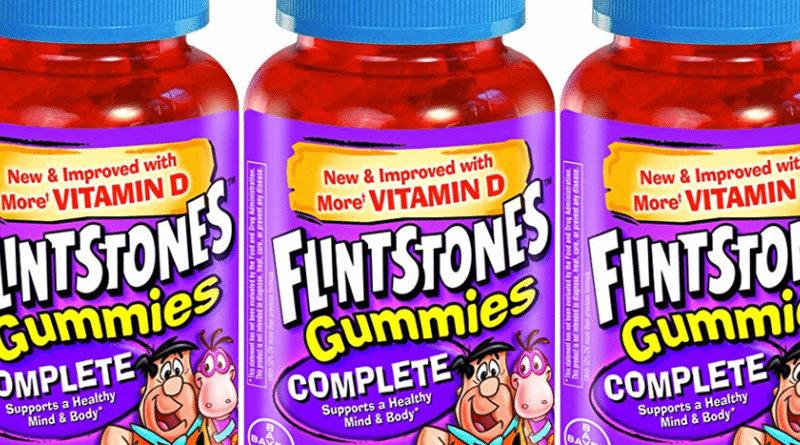
Gummy Vitamins Found to Be Worthless
Finding a quality supplement shouldn’t be a gamble. You want vitamins that actually work. But, how to gummy vitamins stack up?
A few years ago, I almost launched my own gummy supplement brand. As a certified sports nutritionist and fitness coach, I was intrigued by their popularity. But something felt off. I had to ask, are gummy vitamins really as effective as traditional pills?
I put the project on hold, and I’m glad I did. Independent research now confirms my skepticism, showing that many gummy vitamins are inconsistent and often fall short of their claims. That decision saved me a lot of money and protected my reputation.
This guide will break down the research on gummy vitamins, showing you what the labels don’t tell you and helping you choose a supplement you can actually trust.
Disclaimer: This article is for informational purposes only and is not meant to treat or diagnose any condition. It is recommended that you speak with your doctor before starting any exercise program, changing your daily nutrition, or adding any supplements to your regimen.
Table of contents
Key Takeaways
- Nutrient Inaccuracy: Independent tests show up to 80% of gummy vitamins don’t contain the amount of nutrients claimed on the label, with some having far too much and others far too little.
- Added Sugar: Most gummies contain 2 to 8 grams of sugar per serving, which can contribute to cavities and other health issues, especially in children.
- Safety Risks: The candy-like nature of gummy supplements increases the risk of accidental overdose in children, a leading cause of calls to poison control centers for kids under six.
- Better Alternatives Exist: For those who can’t swallow pills, liquid and powdered vitamins offer more accurate dosing and less sugar. Always look for third-party certifications like NSF or USP on any supplement you choose.
Why Are Gummy Vitamins So Inconsistent?
The core problem with gummy vitamins is that you often don’t get what you pay for. The manufacturing process for gummies is notoriously difficult, making accurate nutrient dosing a major challenge. Nutrients are often sprayed onto the gummy, leading to wild inconsistencies from batch to batch.
Just how inconsistent are they? An analysis by ConsumerLab.com, a leading third-party supplement tester, revealed that 80% of the gummy vitamins they tested did not meet the dietary supplement standards. This is a staggering failure rate.
The research uncovered several key issues.
- Wild Nutrient Swings: Some brands contained up to 157% more nutrients than the label claimed, while others had 24% less. This means you could be getting dangerously high doses of some vitamins and not enough of others.
- Added Sugars and Colors: To mask the taste of the natural vitamin ingredients, companies load gummies with sugar and artificial colors like Red 40 and Yellow 5, which have been linked to health concerns.
- Missing Ingredients: In my experience as a sports nutritionist, it’s common for gummies to lack key minerals like iron. Iron has a strong metallic taste that is very difficult to cover up in a gummy format, so it’s often left out entirely.
Related Article: Gummy Supplements vs Pills — What Vitamin Form is Best?
The Hidden Health Risks of Gummy Vitamins
The problems with gummy vitamins go beyond just inaccurate labels. Their candy-like appearance and taste, often marketed to children, create a significant safety risk. It’s a topic I take seriously, especially when advising clients who are parents.
According to America’s Poison Centers, accidental ingestion of vitamins is a leading cause of calls for children under the age of six. Because gummies look and taste like candy, children are more likely to consume dangerous amounts.
This risk is amplified by the high levels of fat-soluble vitamins found in many gummies. Your body stores fat-soluble vitamins like Vitamin A in your organs. Unlike water-soluble vitamins that are flushed out, these can build up to toxic levels over time.
The National Institutes of Health sets the tolerable upper intake level for Vitamin A at 3,000 mcg for adults. With some gummies containing over 157% of the labeled amount, it becomes alarmingly easy to exceed this safe limit, potentially causing health issues.
Should You Buy Gummy Vitamins?
Given the research, I cannot recommend gummy vitamins as a reliable source of nutrition. Your body needs 13 essential vitamins from diet or high-quality supplements, and gummies are too much of a gamble.
However, I understand that for some people, like those who cannot swallow pills, they feel like the only choice. If you must purchase a gummy vitamin, you need to be an educated consumer.
How to Choose a Safer Gummy
Look for a seal from a third-party testing organization on the bottle. These certifications don’t guarantee a product is perfect, but they provide a layer of quality control.
- NSF International: Certifies that the product contains what the label says it does and that there are no harmful contaminants.
- U.S. Pharmacopeia (USP): Verifies ingredient integrity, potency, and good manufacturing practices.
You can also check reports from sites like ConsumerLab.com, which independently test supplements and publish their results. This can help you find a brand that has passed their rigorous testing.
Better Alternatives for Those Who Can’t Swallow Pills
You have better options than gummies. The supplement market has evolved to include several effective alternatives that offer more reliable dosing and fewer additives.
| Alternative | Pros | Cons |
|---|---|---|
| Liquid Vitamins | Easy to absorb, allows for flexible dosing. | Can have a strong flavor, may require refrigeration, shorter shelf life. |
| Powdered Vitamins | Can be mixed into smoothies or water, often contains extra nutrients. | Can be more expensive, some have a gritty texture or unpleasant taste. |
| Pills/Capsules | Most accurate dosing, cost-effective, no added sugar. | Difficult for some people to swallow. |
FAQs About Gummy Vitamins
Are all gummy vitamins worthless?
While not all gummies will fail testing, the category as a whole has major issues with quality control. It’s safer to choose a form with more reliable and accurate dosing, such as pills, liquids, or powders from a reputable brand that uses third-party testing.
Why is it hard to put iron in gummy vitamins?
Iron has a very strong, metallic taste that is difficult to mask with the sugar and flavorings used in gummies. Including the proper dosage of iron would make the product taste unpleasant, so most manufacturers leave it out completely.
Are gummy vitamins better than taking nothing at all?
If it is genuinely your only option, a third-party tested gummy is better than nothing. However, the high sugar content and potential for inaccurate dosing make it a poor choice compared to other available forms like liquids or powders.



*Disclosure: This article may contain affiliate links or ads, which means we earn a small commission at no extra cost to you if you make a purchase through these links. These commissions help support the operation and maintenance of our website, allowing us to continue producing free valuable content. Your support is genuinely appreciated, whether you choose to use our links or not. Thank you for being a part of our community and enjoying our content.
PLEASE CONSIDER SHARING THIS ON YOUR SOCIAL MEDIA TO HELP OTHERS LEARN MORE ABOUT THIS TOPIC.