

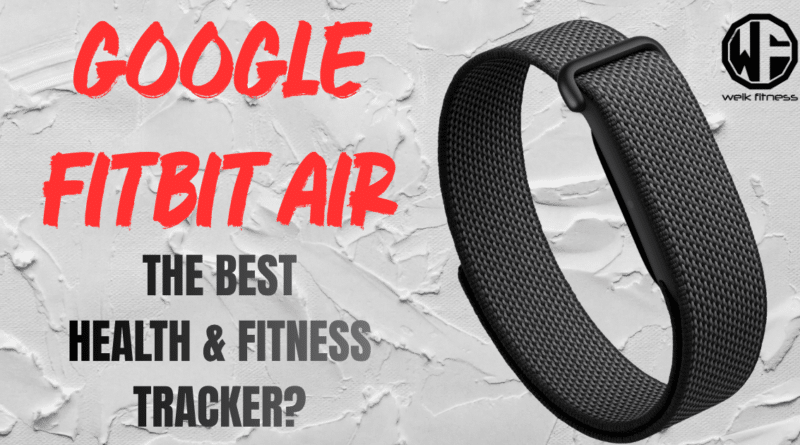
Google Fitbit Air: Best Health & Fitness Tracker?
Google Fitbit Air is a screenless, lightweight health and fitness tracker that costs $99.99 on Amazon and pairs with Android and iOS phones. Fitbit Air is best for people who want quiet, all-day health tracking, while runners who need maps, live pace, or a watch screen should skip it.
Fitbit Air tracks heart rate, SpO₂, skin temperature variation, sleep stages, steps, workouts, and heart rate variability. The tracker works with the Google Health app and Google Health Premium for deeper coaching features.
Google Fitbit Air collects the health data in the background, then puts the details in the Google Health app instead of on your wrist, which I like. I don’t want to sit there scrolling through a tiny screen on my wearable to see my information. I want it sleek and streamlined.
It’s up to 7 days of battery life, which also makes sleep tracking much easier to keep consistent (way better than the Apple Watch’s 24-hour battery, which makes no sense to me).
In this Google Fitbit Air review, I’ll break down the Google Fitbit Air sensors, AI health coach, battery, water rating, missing smartwatch features, and current buying options so you can decide if this screenless fitness tracker fits your routine.
Personally, it’s the best I’ve found when you consider everything, and perhaps it’s exactly what you’re looking for as well.
Table of contents
- Key Takeaways
- Key Features of the Google Fitbit Air
- What is the minimalist, screenless design of Google Fitbit Air?
- What health and fitness metrics does Fitbit Air track?
- How does Google Fitbit Air use AI-powered coaching and wellness plans?
- How long does the Google Fitbit Air battery last and how fast does it charge?
- Is the Fitbit Air water-resistant and to what depth?
- Health Metrics Tracked by Google Fitbit Air
- Pros and Cons of the Google Fitbit Air
- Pricing and Availability
- Conclusion
- FAQs
Key Takeaways
- Tracks heart rate, SpO₂, skin temperature variation, sleep stages, steps, heart rate variability, and common workouts through the Google Health app.
- Battery lasts up to 7 days, and a 5-minute charge can add about 1 day of battery life.
- Water-resistant to 50 meters, so Fitbit Air can handle swimming and showering, though the band should be dried after getting wet.
- Google Fitbit Air has no built-in GPS, altimeter, screen, contactless payments, or onboard music.
- Fitbit Air starts at $99.99. Google Health Premium includes a 3-month trial with the tracker, then requires a separate membership for Google Health Coach features.
Key Features of the Google Fitbit Air
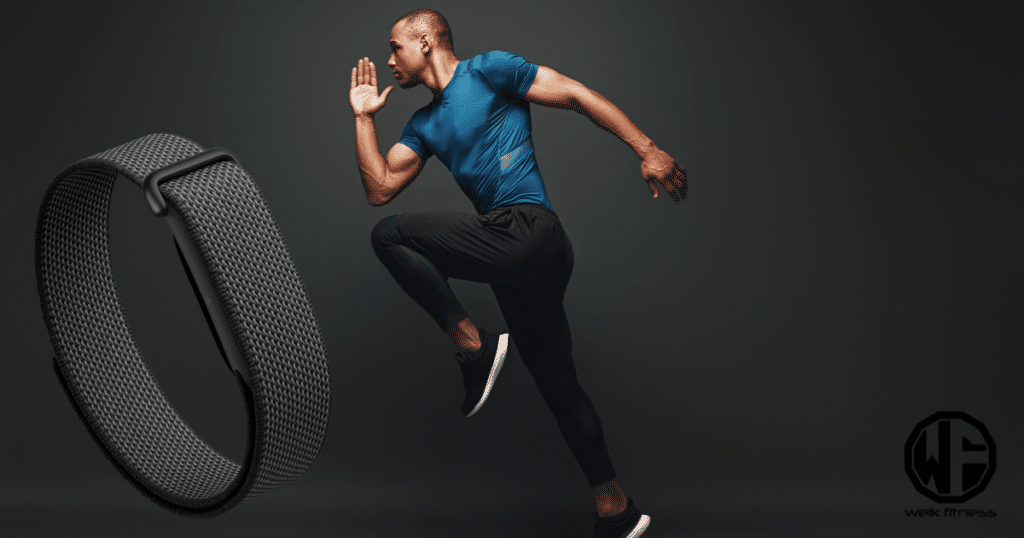
Fitbit Air is a small, screenless wearable built for people who want health tracking without the pull of notifications. The tracker weighs 12 g with its band, making it far lighter than most smartwatches.
Google Fitbit Air uses an optical heart rate monitor, red and infrared sensors for SpO₂, a temperature sensor, a 3-axis accelerometer, and a gyroscope. That sensor set gives you a broad view of daily movement, sleep, and recovery without adding a display.
I will say this: I had an Apple Watch in the past (an old version), and I ended up absolutely hating it because of all the notifications I would get on it and the fact that it had one day of battery life (that makes zero sense to me in today’s age and technology). I wanted something simplistic that I could wear along with my watch collection rather than having them sit there and collect dust.
And no, I’m not Mr. Wonderful, so I have no desire to wear a watch on each wrist.
That said, do the Apple Watch Ultra and other versions have great features? Absolutely. The fitness and health trackers on it are great. I simply find the Apple Watch no longer suits my needs.
To be fair, I also have a Garmin Instinct Tactical that I love throwing into the mix, but I don’t consider that a health and wellness tracker even though it has some capabilities. With the Garmin, I really like the GPS features for going on hikes and when running tactical classes with Tremis Dynamics.
What is the minimalist, screenless design of Google Fitbit Air?
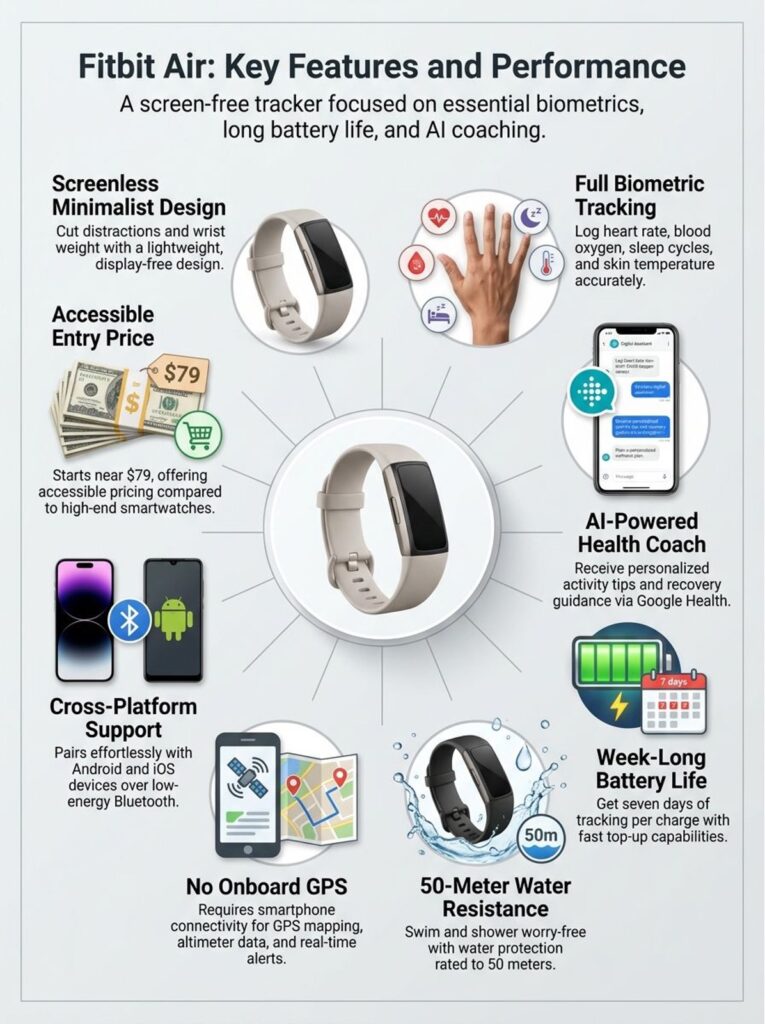
Google Fitbit Air uses a minimalist, screenless design with a small sensor module and a soft wristband. Fitbit Air keeps the screen off your wrist so you can check detailed trends and fitness tracking only when you open the Google Health app.
I will say this: I prefer the Apple Health app over the Google Health app. So, I use Apple Health rather than looking at the data in the Google Health app.
I really like the fact that wearing the Fitbit Air is more like an accessory rather than a wearable with a big screen. It’s very discreet.
Google Fitbit Air measures 1.4 inches long, 0.7 inches wide, and 0.3 inches thick without the band. That low profile helps if a smartwatch feels distracting during sleep, strength sessions, or desk work.
Fitbit Air is available with textile, polyurethane, and special-edition band options (like the Steph Curry model if you care to support a pro athlete — which I’ll never do). The standard band fits wrists from 130 mm to 210 mm, so check sizing before you order a replacement band.
That being said, I like the look of the nylon band that came with my Fitbit Air, but my worry is that with how active I am, it’s going to stink pretty quickly due to all the sweating from workouts and cardio sessions. So, I think I found the perfect solution: StrapsCo bands. I have zero affiliation with StrapsCo and paid out of my own pocket for a Blaze (red), Black, and Tangerine (orange). These rubber straps are made to precisely fit the Google Fitbit Air, seem to be of great quality, can resist sweat and water, and are extremely comfortable. If you exercise, I’d highly recommend you check these out.
What health and fitness metrics does Fitbit Air track?
Fitbit Air tracks heart rate, SpO₂, sleep, skin temperature variation, steps, workouts, and heart rate variability. Google Fitbit Air turns those signals into daily health trends in the Google Health app.
- Optical heart rate monitoring tracks 24/7 heart rate, resting heart rate, workout effort, and heart rate zones. Use the trend to spot whether easy sessions are becoming easier over time.
- Oxygen saturation (blood oxygen or SpO2) is measured with red and infrared sensors. Treat overnight changes as a prompt to review your sleep habits or speak with a clinician, not as a diagnosis.
- Sleep tracking shows light, deep, and REM sleep, wake periods, sleep duration, and bedtime patterns. Check weekly patterns instead of reacting to one rough night.
- Skin temperature variation shows changes from your personal baseline. A large change can reflect your sleep setting, illness, alcohol, travel, or other routine shifts.
- Steps and activity tracking log daily movement and automatically detects common activities. Set a realistic step goal, then use the weekly view to build a steadier routine.
- Heart rate variability and resting heart rate help inform recovery and readiness trends. Compare your own baseline over several weeks instead of comparing your number with someone else’s.
How does Google Fitbit Air use AI-powered coaching and wellness plans?
Fitbit Air uses Google Health Coach to turn your health metrics into personalized fitness plans, sleep guidance, and recovery suggestions.
Google Fitbit Air includes 3 months of Google Health Premium Subscription, while ongoing coach access requires a separate premium membership (which is MUCH less expensive when compared to the insane annual price for a WHOOP).
Google Health Coach uses Gemini-based guidance to explain changes in sleep, activity, readiness, and heart rate trends. The useful part is the next step: the app can suggest a guided workout, a lighter training day, a movement goal, or a bedtime adjustment.
Google Health Coach works best when you give it enough context. Log workouts, wear Fitbit Air overnight, and check the app after several days of data rather than expecting a precise plan on day one.
Google Fitbit Air gives you core tracking without a required membership, but Google Health Premium is the add-on for the deeper AI health coach experience.
Now, do I think most people need the Premium Subscription? No. Personally, I’ll never use it. But if someone isn’t into health and fitness and has no idea what they’re doing but wants results, it’s a fantastic option to have everything planned out for you.
How long does the Google Fitbit Air battery last and how fast does it charge?
Fitbit Air has battery life of up to 7 days and takes about 90 minutes to charge from 0% to 100%. Google Fitbit Air can also gain about 1 day of battery life from a 5-minute quick charge.
Compare that to an Apple Watch, and you’ll probably never put your Apple Watch on ever again. Personally, I found it incredibly annoying that I had to charge my Apple Watch every night. How can you track all of your health scores when you have to take it off every night to charge? It defeats the whole purpose of using it to track health and fitness levels.
Heck, even my Garmin Instinct Tactical allowed me to wear it to bed and track my sleep and recovery scores. Do better, Apple. This isn’t the Stone Age anymore. With all the technology out there, I’d expect to be able to wear an Apple Watch for as long as I’d wear my Google Fitbit Air.
That all being said, the Google Fitbit Air battery life changes with your settings, workouts, phone syncing, and the environment. The official battery estimate uses a typical mix of features, so charge before a trip or hard training block if you want uninterrupted sleep data.
Fitbit Air stores 7 days of detailed motion data and 30 days of daily totals. Sync at least once a week so a low battery doesn’t leave recent activity stuck on the tracker.
Is the Fitbit Air water-resistant and to what depth?
Fitbit Air is water-resistant to 50 meters and has a 5 ATM water rating. Fitbit Air can be worn for swimming and showering, but it’s not waterproof.
Google Fitbit Air should be rinsed or wiped down after sweat, pool water, or lake water, then fully dried before you wear it again. Google states that water resistance can decline through normal wear, damage, or repair.
Personally, I’d just not wear it around water (but that’s my take).
Fitbit Air uses a 50-meter water-resistance rating, but that rating doesn’t mean the band can replace a dedicated dive watch. If swimming is your main sport, review the workout record in the app after each session and make sure the band stays snug.
Health Metrics Tracked by Google Fitbit Air
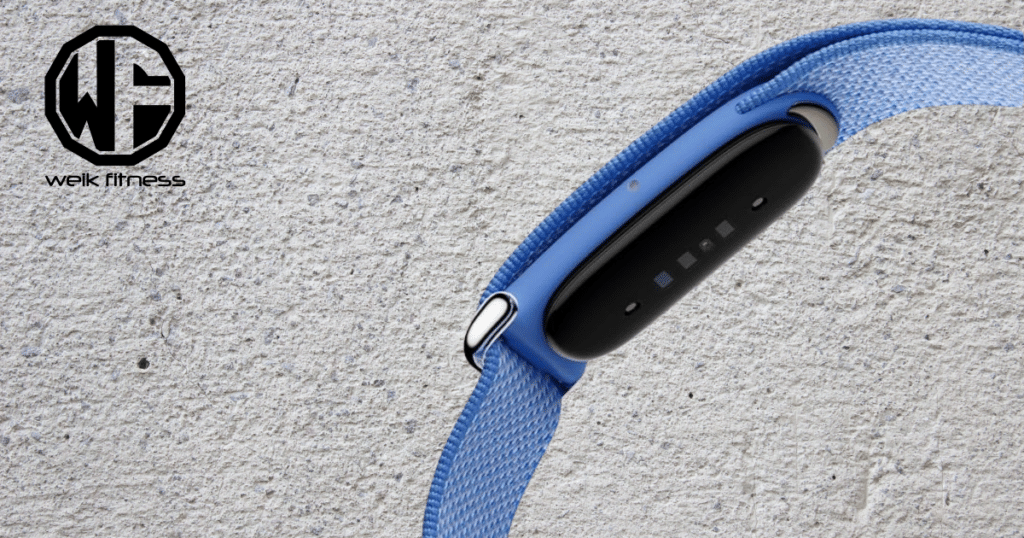
Fitbit Air focuses on health metrics you can use every day: heart rate, blood oxygen, sleep stages, skin temperature variation, steps, and active minutes. Fitbit Air also tracks heart rate variability and can flag possible irregular heart rhythm patterns with supported Afib alerts.
Google Fitbit Air is a wellness tracker, not a medical device. Use the data to notice patterns and bring sustained concerns to a qualified clinician.
How accurate is Fitbit Air’s heart rate and blood oxygen (SpO₂) sensor?
Google Fitbit Air is most useful for heart rate, SpO₂, and skin temperature trends, not clinical decisions. Fitbit Air accuracy can change with your movement, skin contact, body physiology, and where you wear the band.
Fitbit Air uses optical PPG, or light-based pulse sensing, for heart rate. Steady walking, rest, and sleep are easier conditions for wrist sensors than sprint intervals, rowing, or strength work with rapid wrist movement.
Google Fitbit Air uses red and infrared light for SpO₂ monitoring, while its temperature sensor reports variation from your normal skin temperature. Ambient temperature, a loose band, tattoos, sweat, and cold skin can affect readings, so wear the band snugly above your wrist bone.
Fitbit Air shouldn’t replace a fingertip pulse oximeter, ECG device, or medical evaluation. If a trend looks unusual for several days, check it again under normal conditions and contact a clinician if symptoms are present.
What sleep stages and skin temperature does the Google Fitbit Air monitor?
Fitbit Air monitors light, deep, and REM sleep, wake periods, sleep duration, overnight SpO₂ trends, and skin temperature variation. Google Fitbit Air uses heart rate and movement data to estimate those sleep stages.
- Light, deep, and REM sleep help show how your night was structured. Focus on recurring changes in sleep duration and wake time before changing your training plan.
- Overnight blood oxygen trends can add context when you feel poorly rested. Fitbit Air can’t diagnose a breathing disorder or sleep apnea.
- Skin temperature variation compares each night with your usual level. Use it as a clue to review recovery, room temperature, alcohol intake, illness symptoms, or cycle changes.
- Motion tracking records movement and wake periods. A secure fit is important because a loose band can make sleep estimates less reliable.
- Sleep data syncs to the Google Health app through Bluetooth. Review a 7-day view before you decide whether a new bedtime habit is helping.
- Sleep metrics are guidance, not a diagnosis. Talk with a clinician about loud snoring, repeated breathing pauses, severe daytime sleepiness, or low oxygen concerns.
How does Fitbit Air track steps and daily activity?
Google Fitbit Air uses a 3-axis accelerometer and gyroscope to count steps and detect movement. Google Fitbit Air sends activity data to the Google Health app through Bluetooth.
Fitbit Air can automatically detect common activities and provide a workout recap. Start a workout in the app when you want a clearer record, especially for planned runs, gym sessions, or long walks.
Google Fitbit Air has no display, so the app is where you check steps, active minutes, distance estimates, and workout details. That setup suits people who prefer a quiet wrist, but it’s less useful if you need live pace during a run (if you ever see me running, try to keep up because something bad has just happened).
Pros and Cons of the Google Fitbit Air

I look at the Google Fitbit Air as the best pick for someone who wants a light, screenless tracker with long battery life. That said, the Fitbit Air is a weaker choice for athletes who need detailed sport data or phone-free navigation.
What are the advantages of a lightweight, screenless design?
Google Fitbit Air has a lightweight, screenless design that makes continuous wear easier. Fitbit Air weighs 12 g with its band, so it’s easy to keep on through sleep and daily activity.
- Less wrist distraction: Fitbit Air doesn’t show messages, calls, or social alerts, which helps if notifications pull your attention from training or rest.
- Better sleep comfort: Fitbit Air has a low 8.3 mm profile without the band, which is easier to wear overnight than many full smartwatches.
- Longer wear time: Fitbit Air can run for up to 7 days, helping you keep sleep, recovery, and activity records in one timeline.
- Simple health review: Fitbit Air puts all the details in the Google Health app, where you can review daily readiness, heart rate, and sleep without tapping through a tiny watch screen.
- Swim-ready build: Fitbit Air is water-resistant to 50 meters, so you don’t need to remove it for showers or most pool sessions.
- Easy pairing with other gear: Fitbit Air can complement a chest strap, bike computer, or GPS watch when you need more sport-specific data.
What features are missing compared to smartwatches and high-end trackers?
Google Fitbit Air lacks several features found on smartwatches and advanced sport watches. Fitbit Air keeps its price and size down by moving maps, notifications, and detailed controls to your phone.
| Missing Feature | Why It Matters | User Impact | Workaround |
| Built-in GPS | GPS records route and pace without a phone. | Outdoor runs need a phone for mapped routes. | Carry your phone or wear a GPS sports watch. |
| Altimeter / Barometer | Elevation data helps with climbs and stair tracking. | Hikes have less detailed ascent data. | Use a phone or a dedicated outdoor watch. |
| Color Screen / Watch Face | A screen shows live metrics and notifications. | You must check the phone for details. | Open the Google Health app after the session. |
| Contactless Payments (NFC) | NFC lets you pay without a wallet. | You need a phone, card, or another wearable. | Carry a payment card for errands and transit. |
| LTE / Cellular | Cellular supports calls and messages without a phone. | Fitbit Air doesn’t offer phone-free connection. | Bring your phone when you need contact access. |
| Advanced Sports Modes | Sport modes can add detailed training data. | Swim, rowing, and triathlon data is less detailed. | Use a sport watch for race-day data. |
| ECG and Advanced Cardio Tests | ECG can screen for certain rhythm concerns. | Fitbit Air doesn’t provide an on-demand ECG test. | Use a certified ECG device or see a clinician. |
| Onboard Music Storage | Local music can play without a phone. | Long runs still need a phone or music player. | Use connected earbuds and your phone. |
| Third-Party App Ecosystem | Apps can add maps, plans, and sport tools. | Customization stays limited on the tracker. | Use phone-based fitness apps alongside Fitbit Air. |
| Advanced Sensor Suite | Extra sensors can improve navigation and form data. | Complex sport analysis is limited. | Use dedicated sensors when detailed data matters. |
Does the Google Fitbit Air have built-in GPS, an altimeter, or a watch screen?
Google Fitbit Air doesn’t have built-in GPS, an altimeter, or a watch screen. Fitbit Air uses your phone for GPS-based route information and shows all detailed metrics in the Google Health app.
Fitbit Air works well for walks, gym sessions, sleep tracking, and general activity where you can review results later. Google Fitbit Air is less practical for runners who need to see pace, distance, heart rate zones, and turns while moving.
Is Fitbit Air compatible with Android and iOS smartphones?
Google Fitbit Air works with Android 11 or later and iOS 16.4 or later. Fitbit Air requires a Google Account, the Google Health app, Bluetooth Low Energy, an internet connection, and location permission on your phone.
Fitbit Air has a syncing range of up to 30 feet. Fitbit Air can pair with your phone in seconds, then sync activity, sleep, heart rate, and SpO₂ data to the app.
Google Fitbit Air doesn’t display phone alerts because it has no screen. Check app compatibility before buying if your health data depends on a specific third-party service.
Pricing and Availability
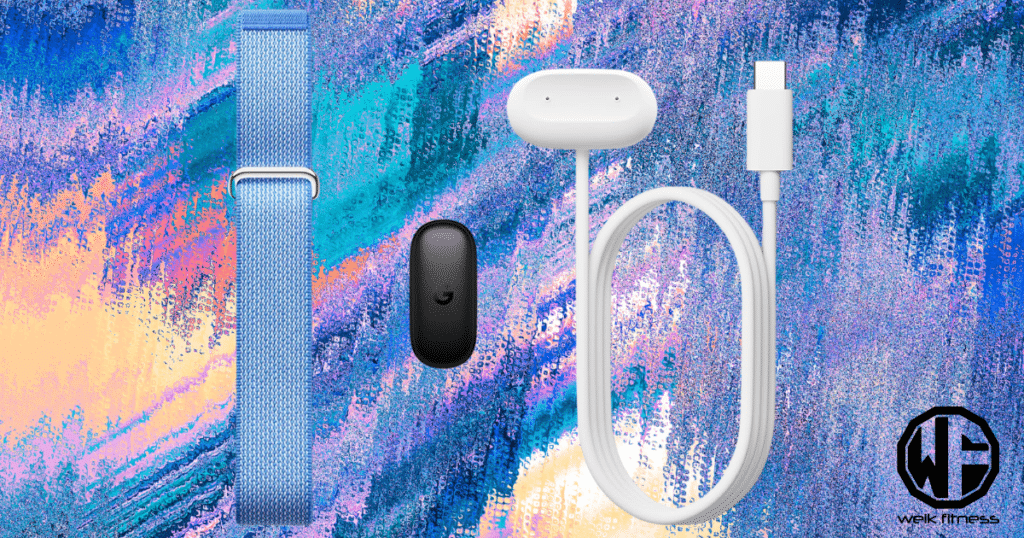
Google Fitbit Air starts at $99.99. Fitbit Air is available in standard colors, while special editions and accessory bands cost more.
The Stephen Curry Special Edition launched at $129.99, and accessory bands start at $34.99.
How much does the Google Fitbit Air cost and where can I buy it?
Google Fitbit Air costs $99.99 for the standard model. Fitbit Air is sold through the Google Store and major retailers such as Best Buy, Target, and Amazon.
| Summary Point | Details |
| Typical cost | Standard Fitbit Air models start at $99.99. Special Edition models launched at $129.99. |
| Official store | The Google Store lists colors, band options, accessories, warranty details, and return terms. |
| Major retailers | Best Buy, Target, and Amazon carry Fitbit Air. Sale prices and delivery options can vary by seller. |
| HSA / FSA eligibility | Standard Fitbit Air models may be eligible for qualifying HSA and FSA purchases. Special Edition models are excluded. |
| App and setup tools | The Google Health app on Android and iOS pairs Fitbit Air and stores health metrics. |
| Google Health Premium | Every Fitbit Air includes 3 months of Google Health Premium. The AI health coach needs a separate membership after the trial. |
| Warranty and returns | Warranty and return windows depend on where you buy. Read the seller terms before opening the box. |
| Buying tip | Buy the standard Fitbit Air if you want the lowest price. Choose a special edition only if the band style is worth the extra cost to you. |
Conclusion
Google Fitbit Air is (in my opinion) the best health and fitness tracker for people who value comfort, sleep tracking, and simple daily health data more than live wrist controls.
Fitbit Air gives you heart rate, SpO₂, sleep stages, skin temperature variation, steps, and readiness-focused insights in a 12 g screenless band.
Fitbit Air also gives you up to 7 days of battery life, a 5-minute quick charge for about 1 day of use, 50-meter water resistance, and Android and iOS support.
Google Fitbit Air isn’t the right tracker for serious runners who need built-in GPS, live pace, a map, or a screen. For a quiet wearable that keeps health tracking in the background, Fitbit Air offers the best value at only $99.99.
FAQs
Fitbit Air is one of the best health and fitness trackers as it blends activity tracking, heart rate, and sleep tracking. It’s the best fit if you want simple, reliable data and a friendly app.
The device uses optical sensors that track heart rate and sleep trends well. Use the data to guide workouts and sleep habits, not as medical proof.
The battery lasts several days on a charge, and the app syncs data quickly. The tracker helps you analyze your progress and gives basic, personalized guidance.
People who want steady activity tracking, clear sleep reports, and easy daily use should consider this tracker. If you need medical-grade accuracy or built-in GPS, choose a specialized tracker instead.


*Disclosure: This article may contain affiliate links or ads, which means we earn a small commission at no extra cost to you if you make a purchase through these links. These commissions help support the operation and maintenance of our website, allowing us to continue producing free valuable content. Your support is genuinely appreciated, whether you choose to use our links or not. Thank you for being a part of our community and enjoying our content.
PLEASE CONSIDER SHARING THIS ON YOUR SOCIAL MEDIA TO HELP OTHERS LEARN MORE ABOUT THIS TOPIC.