
The Essential Guide to Workout Supplements in 2026
Getting all your nutrients from whole foods is always the best goal. But as a certified sports nutritionist with over 15 years in the fitness industry, I know people are looking for an edge. They want workout supplements to fill the gaps and maximize their results.
The global dietary supplements market was valued at over $177 billion in 2024, and it’s flooded with options. This makes it tough to know what works and what’s just marketing hype.
That’s why I’ve created this guide. We’ll cut through the noise and focus only on the supplements that you should consider, based on solid scientific evidence.
Disclaimer: This article is for informational purposes only and is not meant to treat or diagnose any condition. It is recommended that you speak with your doctor before starting any exercise program, changing your daily nutrition, or adding any supplements to your regimen.
Table of contents
Key Takeaways
- Prioritize Whole Foods: Supplements are meant to fill nutritional gaps, not replace a balanced diet.
- Focus on Proven Ingredients: Stick to supplements backed by extensive scientific research, such as Creatine Monohydrate, Whey Protein, Caffeine, Citrulline Malate, and Beta-Alanine.
- Verify with Third-Party Testing: To ensure safety and purity, always choose products certified by organizations like NSF Certified for Sport or Informed-Choice.
- Dosage Is Crucial: A supplement is only effective at its clinically studied dose. Check labels to ensure you’re not getting an underdosed product.
- Avoid the Hype: Be skeptical of products that make unrealistic claims, especially many “fat burners” and “testosterone boosters,” which often lack scientific support.

What Are Workout Supplements?
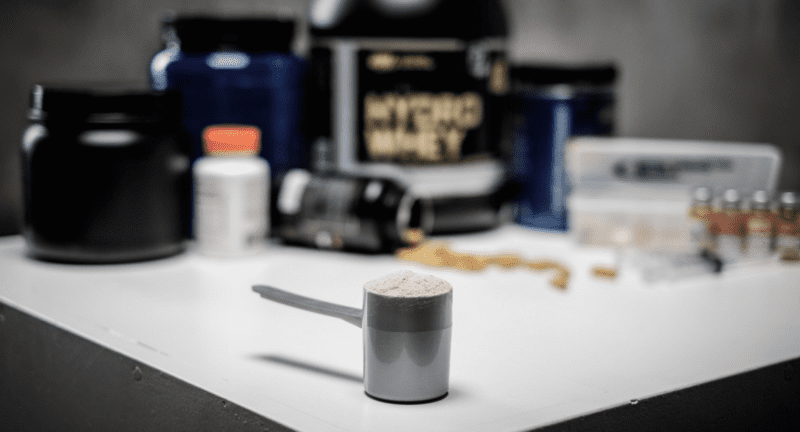
Workout supplements are dietary products used to improve athletic performance, enhance exercise recovery, and support overall fitness goals. These products contain a mix of ingredients like vitamins, minerals, amino acids, and herbal extracts.
They are designed to complement your diet and training, not replace them. The goal is to provide your body with specific nutrients at key times to help you work harder and recover faster.
Workout supplements fall into several key categories:
- For Muscle Growth & Repair: This includes popular options like whey protein and creatine, which directly support muscle tissue development.
- For Energy & Performance: Pre-workout formulas often contain ingredients like caffeine and citrulline malate to boost energy, focus, and blood flow during exercise.
- For Recovery: Post-workout supplements, including branched-chain amino acids (BCAAs) and carbohydrate powders, help replenish energy stores and reduce muscle soreness.
- For General Health: Foundational supplements like multivitamins, vitamin D, and fish oil support the body’s overall function, which is critical for anyone engaging in regular physical activity.
It’s vital to approach supplements with a critical eye. The industry is not as tightly regulated as pharmaceuticals. For this reason, seeking products with third-party verification from groups like NSF International or Informed-Sport is a smart move to ensure what’s on the label is actually in the bottle.
Who Needs Workout Supplements?
Not everyone needs workout supplements, but they can be extremely beneficial for certain groups who want to optimize their performance and recovery. Your individual goals, diet, and training intensity are the biggest factors.
Here’s a breakdown of who benefits most:
- Competitive Athletes and Bodybuilders: These individuals push their bodies to the absolute limit. The increased demand for nutrients often makes it difficult to get everything from food alone. Supplements help ensure they meet their high protein requirements and recover between intense sessions.
- People with Dietary Restrictions: Vegans and vegetarians can particularly benefit. Plant-based diets are naturally low in creatine, and a supplement can help restore muscle stores to levels seen in omnivores. It also makes hitting protein goals much more convenient.
- Individuals with Demanding Fitness Goals: If you’re serious about building significant muscle or strength, certain supplements offer a clear, research-backed advantage. For example, creatine is one of the most effective legal performance enhancers available.
- Older Adults: Research from publications like the *American Journal of Clinical Nutrition* shows that adults over 50 can combat age-related muscle loss, known as sarcopenia, by combining resistance training with adequate protein intake. A protein supplement makes this goal much easier to achieve.
What Are Common Workout Supplements?
The supplement aisle can be overwhelming, but a few key products consistently stand out due to their effectiveness and scientific backing. These are the supplements you’ll most often see used by knowledgeable athletes and fitness enthusiasts.
Here are some of the most common and effective workout supplements.
- Protein Powders: Essential for muscle repair and growth. Whey is popular for post-workout due to its fast absorption, while casein is a slow-digesting protein ideal for before bed. Plant-based options like pea and soy are great for those with dietary restrictions.
- Creatine Monohydrate: The most researched sports supplement on the market. It increases your body’s ability to produce energy rapidly, which is perfect for strength, power, and high-intensity exercise.
- Caffeine: A powerful central nervous system stimulant that improves focus, alertness, and endurance. It’s a cornerstone ingredient in most pre-workout formulas for a reason.
- Pre-Workout Blends: These are multi-ingredient formulas taken before exercise. They typically combine caffeine with other compounds like Beta-Alanine for endurance and Citrulline for improved blood flow, what we call “the pump.”
- Beta-Alanine: This amino acid helps buffer acid in muscles, which delays the onset of fatigue. This allows you to push out more reps during sets lasting 1-4 minutes.
- Fish Oil (Omega-3s): Known for their anti-inflammatory properties, omega-3 fatty acids can help reduce muscle soreness and support joint health, which is crucial for long-term training consistency.
How Do I Know I’m Getting Beneficial Workout Supplements?
Honestly, you have to do your homework to know if you’re getting effective workout supplements. The market is full of flashy labels and exaggerated claims. A good rule of thumb is that if a product sounds too good to be true, it almost certainly is.
I’ve seen brands claim things like “gain 10 pounds of muscle in a month.” That’s simply not realistic. Thankfully, consumers are more educated now, but you still need to know what to look for to avoid wasting your money on junk.
Here is a practical checklist to follow:
- Look for Third-Party Certifications: This is the most important step. Look for logos from NSF Certified for Sport or Informed-Choice on the packaging. These independent organizations verify that the product contains what the label says and is free of banned substances.
- Check for Clinical Doses: Many products include great ingredients but at ineffective, low doses. For example, clinical studies show you need 6-8 grams of Citrulline Malate for performance benefits. If a pre-workout has only 1-2 grams, it’s underdosed.
- Avoid “Proprietary Blends”: If you see this on a label, it’s a red flag. Companies use proprietary blends to hide the exact amount of each ingredient. This often means the formula is filled with cheaper ingredients and underdosed on the effective ones.
Focus on products with transparent labels and proven ingredients. This is the foundation for finding scientifically-backed workout supplements that actually work.
First, What Supplements Are Bunk and Should Be Avoided?
One of the biggest scams in the fitness world is the fat burner category. Do they work? The best-case scenario is a marginal effect. Many fat burners get their apparent results by including diuretics, which cause you to lose water weight. You see the number on the scale go down, but it’s not actual fat loss, and the weight comes right back once you rehydrate.
Some ingredients can slightly increase your metabolism, but this effect is minimal without proper diet and exercise. You can’t take a pill and expect it to undo poor eating habits.
Supplements to be skeptical about: Most herbal “testosterone boosters” often lack strong human clinical data to support their claims. The National Institutes of Health Office of Dietary Supplements provides fact sheets that often show a lack of evidence for many of these ingredients. Similarly, most “mass gainers” are just overpriced powders full of sugar and low-quality protein.
Scientifically-Backed Products and Ingredients
Now, let’s focus on the workout supplements you can trust. These are the ingredients that have been tested time and time again in controlled studies and have proven their worth.
Creatine
Creatine is, without a doubt, the most studied and effective performance-enhancing supplement available. It helps your body produce energy during heavy lifting and high-intensity exercise. With well over 500 studies backing its efficacy and safety, creatine monohydrate is the king of workout supplements. It’s not uncommon for studies to show a 5-15% increase in maximal power and strength.
It helps you perform at a higher level, boosts strength and power, and improves your stamina. The best part is that creatine monohydrate is incredibly affordable. All you need is 3-5 grams per day. The old advice about a “loading phase” is unnecessary for most people to see benefits.
Whey Protein
Protein is the building block of muscle. While you can get enough from whole foods, it often means eating large quantities of meat, eggs, or dairy. A whey protein powder is a much more convenient option.
When you lift weights, you create tiny tears in your muscle fibers. Protein provides the amino acids necessary to repair those fibers, allowing them to grow back bigger and stronger. For optimal muscle growth, research suggests aiming for 1.6 to 2.2 grams of protein per kilogram of bodyweight daily.
Milk-based proteins like whey and casein generally have a more complete amino acid profile than most single plant-based sources. A protein blend that includes both fast-digesting whey and slow-digesting casein can also be very effective for sustained muscle protein synthesis. Whey protein powders usually taste great, mix easily, and are perfect for a quick post-workout shake.
Caffeine
Caffeine is more than just a morning pick-me-up; it’s one of the most effective and reliable workout supplements available. You’ll find it in nearly every popular pre-workout, but taking it on its own is also highly effective.
The Journal of the International Society of Sports Nutrition (JISSN) published a position stand on caffeine, highlighting its benefits for performance. Taking it about 60 minutes before exercise allows for optimal absorption. It boosts focus, mental alertness, and muscular endurance.
An effective dose for performance typically falls between 3 to 6 milligrams of caffeine per kilogram of body weight. For a 150-pound person, that’s roughly 200-400mg. As a pro-tip, many athletes cycle their caffeine intake, taking a 1-2 week break every few months to reset their tolerance and maintain its effects. Always check with your doctor before using high-dose caffeine supplements.
Citrulline Malate
Citrulline Malate is an amino acid compound that is excellent for enhancing what we call the “pump.” It is naturally found in foods like watermelon and works by increasing the body’s production of nitric oxide (NO).
That pump isn’t just for looks. Increased nitric oxide widens your blood vessels, which improves blood flow to your working muscles. This process delivers more oxygen and nutrients while also helping to clear out metabolic waste products like ammonia. The result is reduced muscle fatigue and improved performance.
Research shows it can relieve muscle soreness and enhance anaerobic performance. A key tip is to look for the clinically effective dose, which is between 6 and 8 grams taken about an hour before your workout. Also, check for a 2:1 ratio of L-Citrulline to Malate, as this is the form used in most performance studies.
Beta Alanine
Last on our list of core workout supplements is beta-alanine. This ingredient works by increasing your muscle’s concentration of carnosine. Carnosine acts as a buffer against the acid that builds up in your muscles during intense exercise.
By reducing this acidity, carnosine helps delay muscle fatigue. This allows you to perform more work and extend your sets before hitting failure, which can lead to greater muscle growth and improved performance over time.
The recommended daily dose is between 2 and 5 grams. A common, harmless side effect of beta-alanine is a temporary tingling sensation on the skin called paresthesia. Many users on fitness forums like Reddit suggest splitting the dose into smaller amounts throughout the day to minimize this feeling.
FAQs About Workout Supplements
Are workout supplements safe?
When purchased from reputable brands and used as directed, the most common workout supplements (like creatine, whey protein, and caffeine) have a strong safety profile. The biggest risk comes from products contaminated with unlisted or banned substances. To minimize risk, always choose supplements that have been third-party tested by organizations like NSF Certified for Sport or Informed-Choice.
Do I need to take supplements on rest days?
It depends on the supplement. For supplements that work by building up in your system, consistency is key. Creatine, for example, should be taken daily (including on rest days) to keep your muscle stores saturated. Protein supplements can also be used on rest days to help ensure you meet your daily protein target for recovery and muscle repair.
How long does it take to see results from supplements?
This varies. Stimulants like caffeine have an immediate effect you can feel within an hour. For supplements like creatine and beta-alanine, it can take 2-4 weeks of consistent use to fully saturate your muscles and experience the full performance benefits. Remember, supplements are aids; noticeable results always depend on consistent training and a solid nutrition plan.
Can I mix different workout supplements together?
Yes, many supplements are designed to be “stacked” or taken together for synergistic effects. A common stack is taking creatine with a protein shake post-workout. Pre-workout formulas are essentially pre-made stacks. However, be mindful of total stimulant intake. Avoid taking a high-caffeine pre-workout and then drinking a lot of coffee, as excessive caffeine can lead to negative side effects.
Sources
- Various studies (search engine). https://scholar.google.com/scholar?q=creatine+monohydrate+supplementation&btnG=&hl=en&as_sdt=0%2C5
- Campbell, Bill, et al. “International Society of Sports Nutrition Position Stand: Protein and Exercise.” Journal of the International Society of Sports Nutrition, BioMed Central, 26 Sept. 2007.
- Tipton, K D, et al. “Ingestion of Casein and Whey Proteins Result in Muscle Anabolism after Resistance Exercise.” Medicine and Science in Sports and Exercise., U.S. National Library of Medicine, Dec. 2004.
- Goldstein, Erica R, et al. “International Society of Sports Nutrition Position Stand: Caffeine and Performance.” Journal of the International Society of Sports Nutrition, BioMed Central, 27 Jan. 2010.
- Spriet, Lawrence L. “Exercise and Sport Performance with Low Doses of Caffeine.” Sports Medicine (Auckland, N.z.), Springer International Publishing, 2014.
- Goubel, F, et al. “Citrulline Malate Limits Increase in Muscle Fatigue Induced by Bacterial Endotoxins.” Canadian Journal of Physiology and Pharmacology., U.S. National Library of Medicine, Mar. 1997.
- Barbul, A. “Arginine: Biochemistry, Physiology, and Therapeutic Implications.” JPEN. Journal of Parenteral and Enteral Nutrition., U.S. National Library of Medicine.
- Pérez-Guisado, J, and P M Jakeman. “Citrulline Malate Enhances Athletic Anaerobic Performance and Relieves Muscle Soreness.” Journal of Strength and Conditioning Research., U.S. National Library of Medicine, May 2010.
- Wax, B, et al. “Effects of Supplemental Citrulline-Malate Ingestion on Blood Lactate, Cardiovascular Dynamics, and Resistance Exercise Performance in Trained Males.” Journal of Dietary Supplements., U.S. National Library of Medicine.
- Harris, R C, et al. “The Absorption of Orally Supplied Beta-Alanine and Its Effect on Muscle Carnosine Synthesis in Human Vastus Lateralis.” Amino Acids., U.S. National Library of Medicine, May 2006.
- Harris, Roger C, et al. “Carnosine and Taurine Contents in Individual Fibers of Human Vastus Lateralis Muscle.” Taylor & Francis, Journal of Sports Sciences, 2010.


*Disclosure: This article may contain affiliate links or ads, which means we earn a small commission at no extra cost to you if you make a purchase through these links. These commissions help support the operation and maintenance of our website, allowing us to continue producing free valuable content. Your support is genuinely appreciated, whether you choose to use our links or not. Thank you for being a part of our community and enjoying our content.
PLEASE CONSIDER SHARING THIS ON YOUR SOCIAL MEDIA TO HELP OTHERS LEARN MORE ABOUT THIS TOPIC.