

New Way to Combat Muscle Loss Due to Type 1 Diabetes
If you have Type 1 diabetes, you understand the toll this disease can take on your skeletal muscle. Research confirms that a loss of muscle stem cells, starting in the early stages of the disease, often leads to some degree of muscle loss down the road.
This reality has pushed researchers to find new ways to stop or even prevent this from happening.
A groundbreaking study offers new hope. This guide will explain the science behind a new way to combat muscle loss and what it means for everyone managing Type 1 diabetes.
Disclaimer: This article is for informational purposes only and is not meant to treat or diagnose any condition. It is recommended that you speak with your doctor before starting any exercise program, changing your daily nutrition, or adding any supplements to your regimen.
Table of contents
Key Takeaways
- Type 1 diabetes directly impacts muscle health by reducing protein synthesis and increasing muscle breakdown, a process often accelerated by high blood sugar.
- In my experience as a sports nutritionist, a higher protein intake, specifically 1.2 to 1.6 grams per kilogram of body weight, is crucial for preserving muscle mass.
- New research focuses on inhibiting a hormone called myostatin. Drugs in development, like Scholar Rock’s apitegromab, show promise in protecting muscle and improving insulin sensitivity.
- Consistent strength training, at least 2 to 3 times per week, is a powerful and proven strategy to build and maintain muscle, which helps with blood sugar management.
What is Type 1 Diabetes?
Type 1 diabetes is a chronic autoimmune condition where the pancreas produces very little or no insulin. Insulin is the hormone responsible for letting glucose, or sugar, enter your cells to be used for energy. When you don’t have enough insulin, that glucose gets stuck in your bloodstream, causing high blood sugar levels.
According to the CDC’s 2024 data, around 1.7 million adults and 304,000 youth in the United States are living with this disease.
Causes
- Autoimmune Reaction: This is the primary cause. The body’s immune system mistakenly identifies the insulin-producing beta cells in the pancreas as foreign invaders and destroys them.
- Genetic Factors: Having specific genes, like the HLA-DR3-DQ2 and HLA-DR4-DQ8 genes, can increase your risk. However, having the genes doesn’t guarantee you’ll get the disease.
- Environmental Triggers: Researchers believe certain viruses or other environmental factors may trigger the autoimmune response in genetically susceptible people. Organizations like TrialNet are actively studying these triggers to find ways to prevent the disease.
Symptoms
The symptoms of Type 1 diabetes often appear suddenly and can be severe. A major warning sign is Diabetic Ketoacidosis (DKA), a life-threatening condition where the body starts breaking down fat for fuel at a dangerous rate.
- Increased Thirst and Frequent Urination: As sugar builds up in your blood, your kidneys work overtime to filter it out, pulling water from your tissues.
- Constant Hunger: Without enough insulin to move sugar into your cells, your muscles and organs are starved for energy, triggering intense hunger.
- Unexplained Weight Loss: Your body starts burning fat and muscle for energy because it can’t use glucose properly.
- Fatigue and Weakness: A lack of fuel for your cells leaves you feeling drained.
- Blurred Vision: High blood sugar can pull fluid from the lenses of your eyes, affecting your ability to focus.
Diagnosis
Diagnosing Type 1 diabetes involves a few key tests that measure your blood sugar and check for signs of an autoimmune reaction.
- A1C Test: This blood test shows your average blood sugar level for the past 2 to 3 months. An A1C level of 6.5% or higher on two separate occasions indicates diabetes.
- Fasting Blood Sugar Test: A blood sample is taken after you haven’t eaten overnight. A level of 126 mg/dL or higher points to diabetes.
- Autoantibody Tests: These tests look for specific antibodies, like islet cell antibodies (ICA) or glutamic acid decarboxylase (GAD) antibodies, which are common markers of the autoimmune attack in Type 1 diabetes.
- C-Peptide Test: This test measures how much insulin your body is producing. Very low levels of C-peptide and high blood sugar are strong indicators of Type 1 diabetes.
Management
Living with Type 1 diabetes requires a daily commitment to managing blood sugar levels. Modern technology has made this more manageable than ever.
- Insulin Therapy: Since the body doesn’t produce it, you must take insulin every day. This can be done through multiple daily injections or with an insulin pump, such as the Tandem t:slim X2 or the tubeless Omnipod system.
- Blood Sugar Monitoring: Frequent monitoring is essential. Many people now use a Continuous Glucose Monitor (CGM) like the Dexcom G7 or Abbott’s FreeStyle Libre. These devices track your glucose levels 24/7 and send alerts to your smartphone.
- Diet and Exercise: A balanced diet and consistent physical activity are pillars of good control. As a trainer, I always emphasize how exercise can improve your body’s sensitivity to insulin.
- Education and Support: Working with a healthcare team, including an endocrinologist and a registered dietitian, is vital for success.
Complications
Poorly controlled blood sugar over many years can damage blood vessels and nerves, leading to serious health issues. A study published in the journal Diabetologia found that consistently high A1c levels significantly increase the risk of these complications.
- Cardiovascular Disease: A higher risk of heart attack, stroke, and high blood pressure.
- Nerve Damage (Neuropathy): Can cause tingling, numbness, or pain, usually starting in the feet and hands.
- Kidney Damage (Nephropathy): The American Diabetes Association notes this can lead to kidney failure and the need for dialysis.
- Eye Damage (Retinopathy): Damage to the blood vessels in the retina can cause vision loss and even blindness.
- Foot Problems: Nerve damage and poor blood flow increase the risk of serious infections that could lead to amputation.
How Does Type 1 Diabetes Cause Muscle Loss?

Muscle loss, or muscle atrophy, happens in Type 1 diabetes because of a perfect storm created by low insulin and high blood sugar. It’s a process where muscle protein breakdown happens faster than muscle protein synthesis.
Mechanisms of Muscle Loss in Type 1 Diabetes
- Insulin’s Anabolic Role is Lost: Insulin is a powerful anabolic, or muscle-building, hormone. It helps push amino acids into muscle cells to build protein. Without enough insulin, this vital process slows down dramatically. Research shows that muscle protein synthesis can drop by as much as 30% in poorly controlled diabetes.
- Energy Crisis and Catabolism: When your cells can’t get glucose for energy, your body panics and enters a catabolic, or breakdown, state. It starts raiding your muscles, breaking down precious protein into amino acids to be converted into glucose in the liver.
- Chronic Inflammation: High blood sugar creates a state of low-grade, chronic inflammation throughout the body. Inflammatory signals directly tell your body to break down more muscle tissue.
- Diabetic Neuropathy: Nerve damage isn’t just about feeling. Your nerves send signals to your muscles to contract and stay healthy. When neuropathy damages these nerves, the muscles receive fewer signals, leading to atrophy over time from disuse.
Preventing Muscle Loss
As a certified strength and conditioning specialist, I can tell you that you have powerful tools to fight back against muscle loss. It all comes down to controlling your blood sugar and giving your body the right building blocks and stimulus.
- Optimize Your Blood Sugar Control: This is non-negotiable. Using your insulin and monitoring system to keep your glucose levels in your target range is the single most important step. This stops the catabolic signals and allows your body to build, not break down.
- Prioritize Protein Intake: You need to supply your body with the raw materials to repair and build muscle. Standard protein recommendations are often not enough. I advise my clients with diabetes to aim for 1.2 to 1.6 grams of protein per kilogram of body weight each day, a target supported by the International Society of Sports Nutrition. Focus on high-quality sources like whey, casein, lean meats, and eggs.
- Embrace Resistance Training: You must give your muscles a reason to grow. Lifting weights is the most direct signal for muscle preservation and growth. The American Council on Exercise recommends at least two to three sessions per week focusing on compound movements like squats, deadlifts, presses, and rows.
- Consider Key Supplements: While not a replacement for diet and exercise, some supplements can help. Creatine monohydrate is one of the most studied supplements for muscle growth and strength. A standard dose of 3-5 grams per day can help improve performance in the gym, leading to better muscle maintenance.
By actively managing your diabetes with these strategies, you can protect your hard-earned muscle and improve your overall metabolic health.
Put Up a Fight Against Type 1 Diabetes
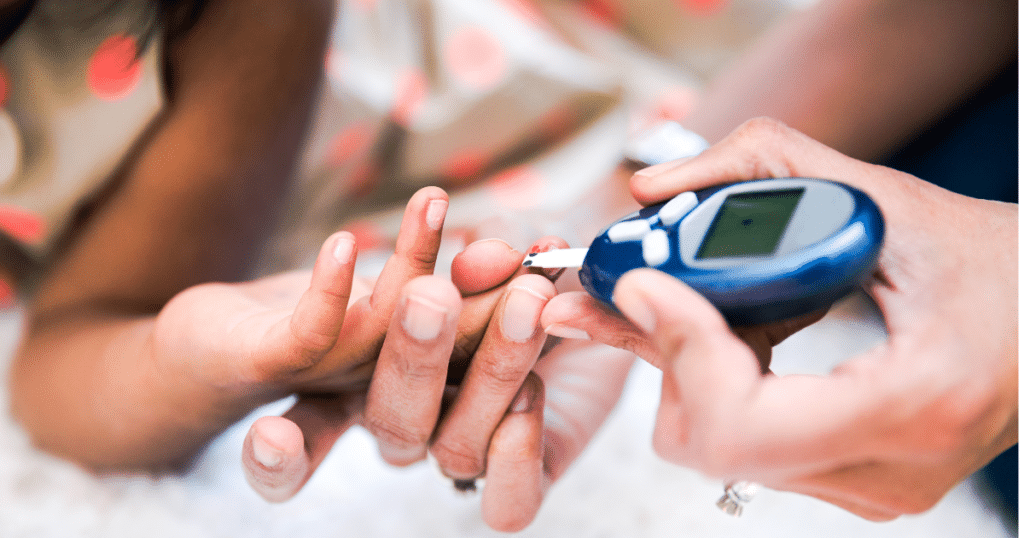
While there is no cure for this disease, researchers at McMaster University have been exploring a new way to protect skeletal muscle. This autoimmune disease typically appears in childhood or adolescence, requiring lifelong insulin injections to manage blood glucose.
Related Article: Muscle Memory is a Thing?
The original research, led by Dr. Thomas Hawke, focused on a hormone called myostatin. Myostatin acts as a natural brake on muscle growth. The team discovered that by reducing myostatin, you could reduce muscle loss, even in the context of Type 1 diabetes.
A lead researcher stated, “through research with both mice and humans, we’ve shown that Type 1 diabetes negatively impacts muscle, and by improving muscle health we can reduce blood sugar levels and improve the response to insulin.”
The most exciting part of their findings was that blocking myostatin did more than just preserve muscle. It also made the muscles more sensitive to insulin and better at absorbing glucose, which helped lower overall blood sugar levels.
That 2016 study laid the groundwork for a new class of drugs. As of 2026, several pharmaceutical companies have myostatin inhibitors in clinical trials. For example, Scholar Rock’s drug, apitegromab, is in late-stage trials for Spinal Muscular Atrophy and has shown significant promise in building muscle. While not yet approved for diabetes, its success shows that blocking this pathway is a viable strategy for combating muscle-wasting diseases.
This research doesn’t dismiss the importance of exercise. As one researcher noted, “While my advice would be to exercise, our work may provide therapeutic options for those who may be unable to.”

These developments offer a new layer of hope. On average, those with Type 1 diabetes have a shorter lifespan due to complications like kidney failure and heart attacks. These new findings provide solid evidence that focusing on muscle health can improve physical ability, whole-body metabolism, and ultimately, the healthy lifespan for those managing this chronic disease.
Help is on the horizon. If these new pharmaceutical drugs can successfully inhibit myostatin, they could become a powerful tool for preserving muscle and helping to regulate blood sugar in people with Type 1 diabetes.
FAQs About Muscle Loss with Type 1 Diabetes
Can you build muscle with Type 1 diabetes?
Absolutely. With well-managed blood sugar, a protein-rich diet, and a consistent strength training program, you can build muscle just like anyone else. It requires more attention to detail, but it is entirely achievable.
What is the best exercise for someone with Type 1 diabetes?
A combination of both resistance training and cardiovascular exercise is ideal. Resistance training (lifting weights) is best for building and maintaining muscle, which improves insulin sensitivity. Cardio is excellent for heart health. The key is consistency and monitoring your blood sugar before, during, and after your workouts.
How does high blood sugar affect muscle growth?
High blood sugar (hyperglycemia) hinders muscle growth in two main ways. It impairs protein synthesis, the process of building new muscle tissue. It also promotes a catabolic state, where your body breaks down existing muscle for energy.
Are myostatin inhibitors available now?
As of early 2026, myostatin inhibitors are still in clinical trials and are not yet approved by the FDA for treating Type 1 diabetes. However, drugs like apitegromab are showing very positive results for other muscle-related conditions, suggesting the technology is getting closer to broader use.


*Disclosure: This article may contain affiliate links or ads, which means we earn a small commission at no extra cost to you if you make a purchase through these links. These commissions help support the operation and maintenance of our website, allowing us to continue producing free valuable content. Your support is genuinely appreciated, whether you choose to use our links or not. Thank you for being a part of our community and enjoying our content.
PLEASE CONSIDER SHARING THIS ON YOUR SOCIAL MEDIA TO HELP OTHERS LEARN MORE ABOUT THIS TOPIC.