
Bodybuilding Is an Individual Sport: Are Bodybuilders Introverts?
Are bodybuilders introverts? I’ve said this to people for years and it makes many of them stop and think.
Many of the most popular sports we watch are built on teamwork. Think about baseball, football, basketball, hockey, and even soccer. They all require a group of athletes working together towards a common goal.
But bodybuilding is different. When you step into the gym, it’s not a team effort. It is you against the iron.
Sure, a training partner can offer a spot, but the lift is yours alone. This raises an interesting question about the personalities drawn to the sport. As a certified strength coach and sports nutritionist, I’ve worked with countless athletes, and I’ve noticed a pattern. The intense, solitary focus required for this lifestyle often attracts a specific type of person. So, are bodybuilders introverts?
Let’s look at the evidence and the psychology behind why so many successful bodybuilders seem to share this common personality trait.
Disclaimer: This article is for informational purposes only and is not meant to treat or diagnose any condition. It is recommended that you speak with your doctor before starting any exercise program, changing your daily nutrition, or adding any supplements to your regimen.
Table of contents
Key Takeaways
- Bodybuilding is an individual sport where success depends entirely on personal effort, which naturally appeals to introverted tendencies.
- Introverts are often energized by solitary activities and process information deeply, traits that are highly beneficial for the focused, repetitive nature of weight training.
- The intense and isolating demands of contest preparation, which require strict control over diet, training, and social life, align well with an introvert’s preference for solitude.
- Research suggests athletes in individual sports often exhibit higher levels of introversion compared to those in team sports.

What Makes People Introverts?
Introversion is not about being shy or antisocial. It is primarily about how a person recharges their energy. Introverts gain energy from spending time alone and can find excessive social interaction draining. This trait is influenced by a mix of genetics, brain chemistry, and life experiences.
It’s a common personality type. Author Susan Cain, in her influential book “Quiet,” highlights that roughly one-third to one-half of the population exhibits introverted traits. This means there’s a good chance you know many introverts, even if they don’t fit a stereotype.
Here are the core factors that define introversion.
- Brain Chemistry: Introverts are often more sensitive to acetylcholine, a neurotransmitter that creates a feeling of contentment and focus during quiet activities. Extroverts, on the other hand, are more driven by dopamine, which is linked to seeking external rewards and excitement.
- Energy Recharge: This is the classic definition. An introvert feels drained after a party and needs alone time to recover. An extrovert feels energized by the same event.
- Processing Style: Introverts tend to process information more deeply. They think before they speak and prefer meaningful, one-on-one conversations over small talk in large groups.
- Genetic Influence: Research suggests that introversion is about 40-50% heritable. This indicates a strong biological component to these personality traits.
Why an Introvert’s Personality Thrives in the Gym

For many bodybuilders, the gym becomes a sanctuary. It is a place where the outside world fades away, and the only things that matter are the weight, the form, and the next set. This environment is perfectly suited for an introverted personality.
Some people find their way to the gym because they never felt like they fit into traditional team sports like basketball or football. They may have been bullied or simply felt uncomfortable in large, loud groups. The gym offers a different path. It is a competitive outlet where the only opponent is your previous best.
Related Article: Is a Bodybuilder Lifestyle Bad?
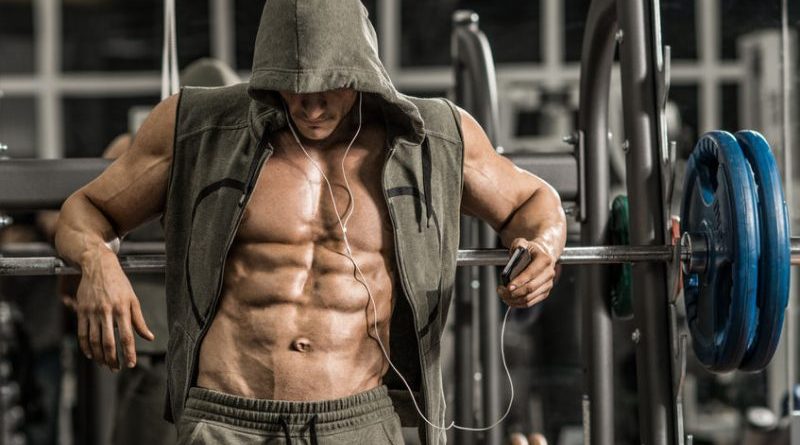
This “you vs. you” mentality is a powerful motivator. A bodybuilder can put on headphones, pull up their hoodie, and achieve what psychologist Mihaly Csikszentmihalyi called a “flow state.” This is a state of complete absorption in an activity, and it is highly rewarding for those who are internally focused.
Consider the legendary six-time Mr. Olympia Dorian Yates. He was famous for his introverted nature, training with brutal intensity in his gritty “dungeon” gym in England, far away from the cameras and crowds. His focus was entirely on his workout, which is a perfect example of an introverted athlete thriving in solitude.
Prepping for the Stage
The bodybuilding lifestyle becomes even more isolated during contest preparation. In my experience as a coach, this is where you truly see an athlete’s discipline, and it’s a phase that strongly favors introverted tendencies. For 12 to 16 weeks, an athlete’s life shrinks to a few core activities: train, eat, sleep, and repeat.
This seclusion is a necessary strategy. It eliminates distractions and temptations that could derail their progress. Many competitors stop going out to eat and avoid social gatherings where “off-limit” foods are present. Some even skip family events to protect their training schedule or avoid stress.
This isn’t just a preference, it’s a professional requirement. A 2022 study in the International Journal of Sport and Exercise Psychology found that bodybuilders in contest prep experience significant mood disturbances. This psychological stress makes social withdrawal a protective mechanism to maintain focus.
The demands of prep include:
- Strict Meal Timing: Eating pre-portioned meals every few hours, making restaurant visits nearly impossible.
- Intense Training: Hours of weightlifting and cardio sessions daily, leaving little energy for anything else.
- No Room for Error: Unlike a team sport, there’s no one else to blame. If you cheat on your diet or skip cardio, the results show on stage. The accountability is 100% individual.
For many pro bodybuilders, this period of hibernation is even written into their sponsorship contracts. They stop doing public appearances and events to place blinders on and focus solely on bringing their best physique to the show. It’s their livelihood, and this solitary dedication is what it takes to win.
Are Bodybuilders a Different Personality Type?
So, do bodybuilders and other individual-sport athletes share a specific personality profile? The research suggests yes. While you can’t generalize for everyone, clear patterns have emerged from scientific studies.
A 2019 study published in the Journal of Sports Sciences examined the personality traits of athletes across various disciplines. It found that athletes who compete in individual sports, like bodybuilding, gymnastics, or tennis, consistently score higher on measures of introversion than athletes in team sports.

This makes perfect sense. The very qualities that define introversion are assets in a sport like bodybuilding.
Traits like high concentration, self-sufficiency, and internal motivation are critical for success. An introverted athlete doesn’t need a cheering crowd to push themselves during a workout. Their drive comes from within, which is essential for the thousands of solitary hours required to build a championship physique.
The iron itself has helped many people through difficult times. It provides a platform to succeed on your own terms. By understanding this connection, we can better guide people who feel “standoffish” in group settings toward an activity that celebrates individual challenge and personal growth.
FAQs About Bodybuilders and Introverts
Are all bodybuilders introverts?
No, not all bodybuilders are introverts. Many extroverted individuals, like Arnold Schwarzenegger, have become icons in the sport. However, the lifestyle and training demands of bodybuilding naturally align well with the personality traits of introverts, such as a preference for solitude and deep focus.
Can an extrovert succeed in bodybuilding?
Absolutely. Success in bodybuilding is determined by discipline, genetics, and work ethic, not personality type. An extrovert can certainly succeed, though they may need to be more deliberate about managing the isolating aspects of the sport, especially during intense contest preparation.
Is bodybuilding a good sport for shy people?
Yes, bodybuilding can be an excellent choice for individuals who are shy or have social anxiety. The gym provides a structured environment where you can focus on yourself without pressure to socialize. Building physical strength and seeing tangible results can also be a major confidence booster that carries over into other areas of life.


*Disclosure: This article may contain affiliate links or ads, which means we earn a small commission at no extra cost to you if you make a purchase through these links. These commissions help support the operation and maintenance of our website, allowing us to continue producing free valuable content. Your support is genuinely appreciated, whether you choose to use our links or not. Thank you for being a part of our community and enjoying our content.
PLEASE CONSIDER SHARING THIS ON YOUR SOCIAL MEDIA TO HELP OTHERS LEARN MORE ABOUT THIS TOPIC.