
Activity Equivalent on Nutrition Labels?
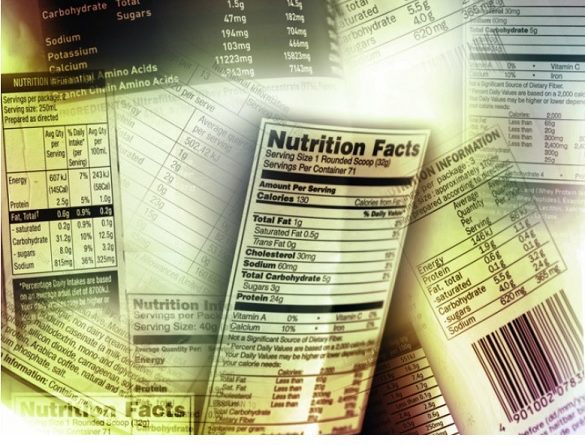
An article came across my desk that made me chuckle and cringe all at the same time when it comes to nutrition labels. A chief executive at the Royal Society of Public Health mentions that she feels “packaging should not only provide nutritional information, but should also help people to change their behavior.” So far I’m agreeing with what she is saying. Here’s where things start to go sideways. She then says, “people find symbols much easier to understand than numerical information and activity equivalent calorie labels are easy to understand, particularly for lower socioeconomic groups who often lack nutritional knowledge and health literacy.” As I sit at my desk reading that comment out-loud I say to myself, “did she really just say that?”
Let’s get this straight… According to this “chief executive,” anyone in general who has a lower household income or holds a lower level of education would need more information on the packaging of consumables to help them fully understand how that food will affect them? WHAT? Maybe this executive needs to take a diversity class?
First of all, I know plenty of rich and highly educated people who can’t read nutrition labels or who doesn’t understand how much exercise would be needed to burn off something they ate. So the statement made by this lady is totally incorrect. Then she goes on to state more comedic gold when she talks about the initial studies on adding an activity equivalent where she says the subjects stated having such on nutrition labels would “positively change their behavior as a result of viewing activity equivalent calorie information—by choosing healthier products, eating smaller portions or doing more physical exercise, all of which could help counter obesity.”