
10 Tips for Your Fitness Journey
Starting a fitness journey is one of the most rewarding things you can do for your health. It is a commitment to transforming poor habits into healthy ones, but it’s a path with inevitable ups and downs that will test your willpower.
There will be challenges, but the destination is worth it. As a certified strength and conditioning coach and sports nutritionist, I’ve guided many people through this process. I’ve also detailed my own experiences in My Journey Through the Fitness Industry.
This guide breaks down actionable strategies to keep you moving forward. We will explore 10 essential tips for your fitness journey that provide a clear roadmap to help you succeed.
Disclaimer: This article is for informational purposes only and is not meant to treat or diagnose any condition. It is recommended that you speak with your doctor before starting any exercise program, changing your daily nutrition, or adding any supplements to your regimen.
Table of contents
Key Takeaways from Your Fitness Journey
- Embrace Variety: Regularly change your workouts to prevent plateaus and boredom. This principle, sometimes called muscle confusion, keeps both your body and mind engaged.
- Focus on Progression: The core principle for getting stronger and fitter is Progressive Overload. You must consistently challenge your body by increasing weight, reps, or intensity.
- Smart Snacking is Fuel: Healthy snacks are not a weakness, they are a tool. Choose options high in protein and fiber, like Greek yogurt or a handful of almonds, to manage hunger and maintain energy.
- Ditch Fad Diets: Sustainable results come from balanced nutrition, not restrictive yo-yo diets. Use a tool like MyFitnessPal to understand your calorie and macronutrient intake for long-term success.
- Mindful Movement Matters: Pay attention to your form and the mind-muscle connection. Feeling the specific muscle work during an exercise is more important than lifting heavy weight with poor form.

What’s It Like to Go Through a Fitness Journey?
Beginning a fitness journey is a rewarding experience that changes you physically, mentally, and emotionally. It starts with defining clear goals. Instead of a vague goal like “get healthy,” use the SMART framework, a method popular in business and fitness, to set targets that are Specific, Measurable, Achievable, Relevant, and Time-bound.
A structured plan is your roadmap. This should include a mix of regular exercise that you enjoy, a balanced diet, and sufficient rest. The U.S. Department of Health and Human Services recommends at least 150 minutes of moderate-intensity aerobic activity per week, plus muscle-strengthening activities on two or more days.
Consistency is where the magic happens. Progress takes time, and building the habit is what leads to long-term success. You will notice physical changes like weight loss, muscle definition, and increased strength. However, you will also face challenges and plateaus where progress seems to stall. This is a normal part of every fitness journey.
The mental benefits are just as significant. Exercise releases endorphins, which improve mood and reduce stress. Achieving your goals boosts self-esteem and builds a resilient mindset. Having a support system, whether it’s a workout buddy or an online community, provides motivation and accountability to help you push through the tough spots.
10 Tips to Use on Your Fitness Journey

Explore these 10 practical fitness tips to guide you!
1. Change is good
One of the best things you can do for your exercise routine is to change it completely. This means adjusting your rep ranges, sets, and exercises. You can even change your workout music.
Starting fresh with something new and exciting helps prevent your progress from becoming stale. When you get bored with a routine, your motivation can decline. Don’t let that be you. By changing what you’re doing, you stay excited to hit your workout each day.
2. Snacking is ok on your fitness journey
If you feel hungry during the day, there’s nothing wrong with having a snack. The problem comes from choosing the wrong foods or resisting the urge to eat, which can lead to overeating at your next meal.
A handful of nuts or an apple with peanut butter are great healthy choices. Other smart options include:
- Greek Yogurt: A typical 6-ounce serving packs around 17 grams of protein.
- A Quality Protein Bar: Look for bars with high protein and low sugar, like those from Quest Nutrition or RXBAR.
- Beef Jerky: A convenient, high-protein option for on-the-go.
- Vegetables with Hummus: Carrots or broccoli provide fiber and nutrients.
Snacking doesn’t have a bad reputation when you make thoughtful, nutrient-dense choices.
3. Stop going through the motions
Do you ever go to the gym and feel like you’re just going through the motions without seeing results? You’re probably right. It’s time to focus on what you are doing. During resistance training, you need to feel the muscle contracting and elongating. This is often called the “mind-muscle connection.”
If you can’t feel the target muscle working, you are likely using a weight that is too heavy, forcing other muscle groups to compensate. Drop the weight and try again. Focus on squeezing the muscle to move the weight. Concentrating on each repetition gives you the best chance to reach your fitness goals.
4. Focus on Execution, Not Just Ideas
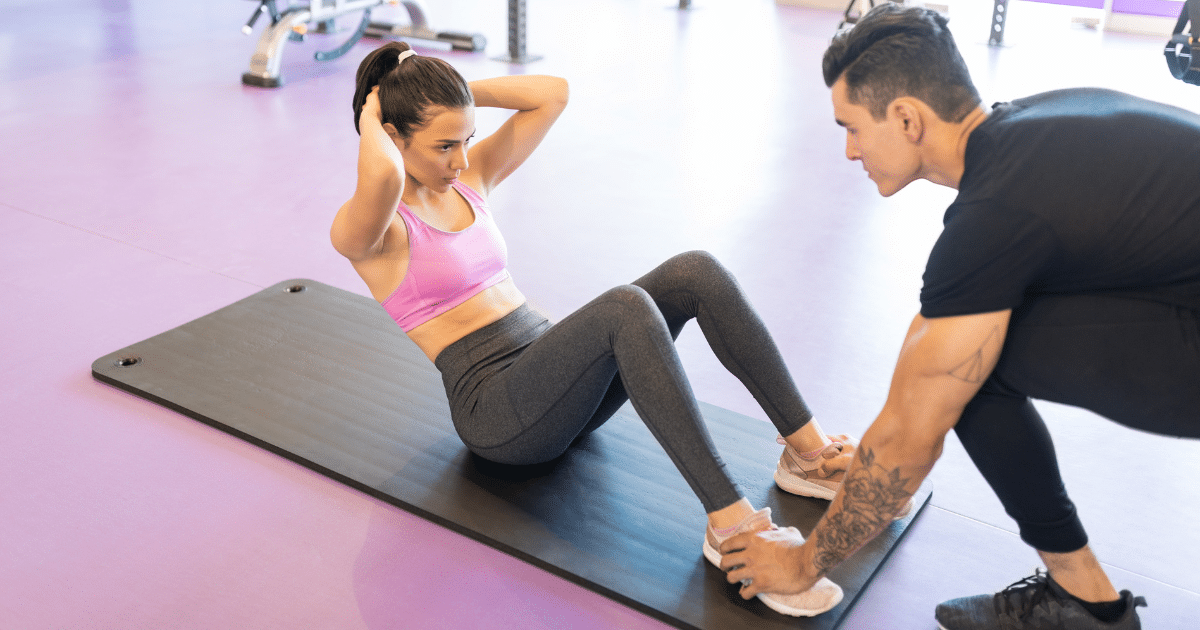
Everyone has an idea of what they want to look like, but not everyone is willing to do the work. This principle applies to your fitness journey, business, and life. It’s all about execution. You must stop brainstorming and start doing.
If you only have a bunch of ideas for weight loss, at the end of the day, that’s all you have. To make real change, you must execute. As author James Clear explains in his book “Atomic Habits,” success comes from small, consistent actions, not from grand ideas alone. Winners do what losers refuse to do. Start acting now.
5. Take a class
If you find yourself in a slump at the gym, try a fitness class. Stepping outside your comfort zone can be the best thing for your progress. Take a high-energy spin class, a structured CrossFit session, or a motivating Orangetheory Fitness workout.
A 2017 study from The Journal of the American Osteopathic Association found that participants in group fitness classes saw a 26% reduction in their perceived stress levels and significant improvements in their emotional and physical quality of life.
Using different training methods can pull you out of a rut and help you get more value from your gym membership.
6. Don’t let the white stuff keep you indoors
Just because there’s snow on the ground doesn’t mean you have to stop running outside. To avoid slipping, take shorter strides, ensuring your foot lands beneath your center of gravity. While not foolproof, this method allows you to enjoy the outdoors safely.
If you’re still hesitant about running in the snow, consider investing in traction devices like YakTrax that slide over your shoes for better grip. Or, try snowshoeing for a fantastic cardiovascular workout that keeps you on top of the snow.
7. Progression is key
You might not be strong enough to do a full pull-up right now, but that doesn’t mean you can’t work toward it. The fundamental principle for getting stronger is called Progressive Overload. This means you must consistently increase the demand on your muscles.
You can apply this principle in several ways:
- Increase Resistance: Add more weight to the bar or machine.
- Increase Volume: Do more repetitions or sets in your workout.
- Increase Frequency: Train a specific muscle group more often per week.
- Decrease Rest Time: Reduce the time you rest between sets to increase intensity.
For pull-ups specifically, you can start by simply hanging from the bar to build grip strength. Then, you can perform negative reps, where you start at the top (using a chair to get up) and slowly lower yourself down. These techniques build the necessary strength to eventually complete a full pull-up.

8. Stop with the yo-yo diets
Fad diets that generate a lot of hype rarely work in the long run. Research consistently shows high failure rates for these types of diets, with some studies indicating that over 80% of people regain the weight they lose. Stop using them.
Nearly all of them rely on one basic principle: consuming fewer calories than your body needs to maintain its weight. So, focus on that. Start tracking your calories and macronutrients using a smartphone app like MyFitnessPal, which has a food database of over 14 million items. This is a reliable way to monitor your intake and ensure you are progressing toward your weight loss goals without needing a fad diet.
9. Compete against yourself, not others
Who cares if the person next to you is lifting more? You don’t get a trophy for lifting the most during rush hour. Your focus should be on bettering yourself.
For some friendly self-competition, track your workouts. Use a dedicated app like Jefit or even a simple notebook to log the weight, reps, and sets for each exercise. The next time you do that workout, try to improve on your previous numbers. Push for one more rep or add a little more weight. This is how you ensure continuous progress on your fitness journey.
10. Use a natural pre-workout source
The supplement industry is flooded with pre-workout products, many of them loaded with stimulants. If you prefer a more natural approach, there are effective options. While peppermint oil has been shown to have some benefits, two of the most research-backed natural performance enhancers are caffeine and beetroots.
- Caffeine: A simple cup of black coffee consumed about 45-60 minutes before a workout can improve power, stamina, and focus. The clinically effective dose for performance is typically 3-6 milligrams of caffeine per kilogram of body weight.
- Beetroot Juice: Beets are rich in nitrates, which your body converts to nitric oxide. This improves blood flow, which can enhance endurance and power. Studies often use around 500ml of beetroot juice to see performance benefits.
FAQs to Help You on Your Fitness Journey
How long does it take to see results from a fitness journey?
Results vary for everyone, but you may start feeling better, with more energy and improved mood, within the first couple of weeks. Noticeable physical changes, like weight loss or muscle gain, typically become more apparent after 4 to 8 weeks of consistent effort.
What’s more important for weight loss, diet or exercise?
Both are crucial, but most experts agree that diet has a greater impact on weight loss. It’s often said that weight loss is “80% nutrition and 20% exercise.” You cannot out-train a poor diet. However, exercise is essential for building muscle, boosting metabolism, and improving overall health.
How do I stay motivated when I don’t see progress?
Plateaus are normal. To stay motivated, focus on non-scale victories, such as your clothes fitting better, having more energy, or lifting heavier weights. Revisit your goals, try a new workout or class to keep things fresh, and remember why you started your fitness journey in the first place.


*Disclosure: This article may contain affiliate links or ads, which means we earn a small commission at no extra cost to you if you make a purchase through these links. These commissions help support the operation and maintenance of our website, allowing us to continue producing free valuable content. Your support is genuinely appreciated, whether you choose to use our links or not. Thank you for being a part of our community and enjoying our content.
PLEASE CONSIDER SHARING THIS ON YOUR SOCIAL MEDIA TO HELP OTHERS LEARN MORE ABOUT THIS TOPIC.