
New Research Shows Some Good News For the Sleep Deprived
Are you one of the millions of people who feel constantly sleep deprived?
Feeling exhausted is incredibly common. In my career as a personal trainer and sports nutritionist, I’ve seen firsthand how a lack of quality sleep sabotages even the best fitness and diet plans. The Centers for Disease Control and Prevention (CDC) reports that over a third of American adults are not getting enough sleep on a regular basis.
This guide breaks down what it means to be sleep deprived, from its causes and serious health effects to practical, evidence-based strategies to help you get the rest you need.
Disclaimer: This article is for informational purposes only and is not meant to treat or diagnose any condition. It is recommended that you speak with your doctor before starting any exercise program, changing your daily nutrition, or adding any supplements to your regimen.
Table of contents
Key Takeaways
- Being sleep deprived means consistently getting less than the recommended hours of sleep for your age group, which is 7-9 hours for most adults.
- Common causes range from medical conditions like sleep apnea to lifestyle factors, including the modern phenomenon of “revenge bedtime procrastination.”
- The long-term effects are serious, with studies linking poor sleep to a higher risk of heart disease, diabetes, obesity, and cognitive decline.
- Improving sleep hygiene through a consistent schedule and cool, dark environment is crucial. For some, supplements like GABA may help reduce the time it takes to fall asleep, but consulting a doctor is essential.
What Does It Mean to Be Sleep Deprived?
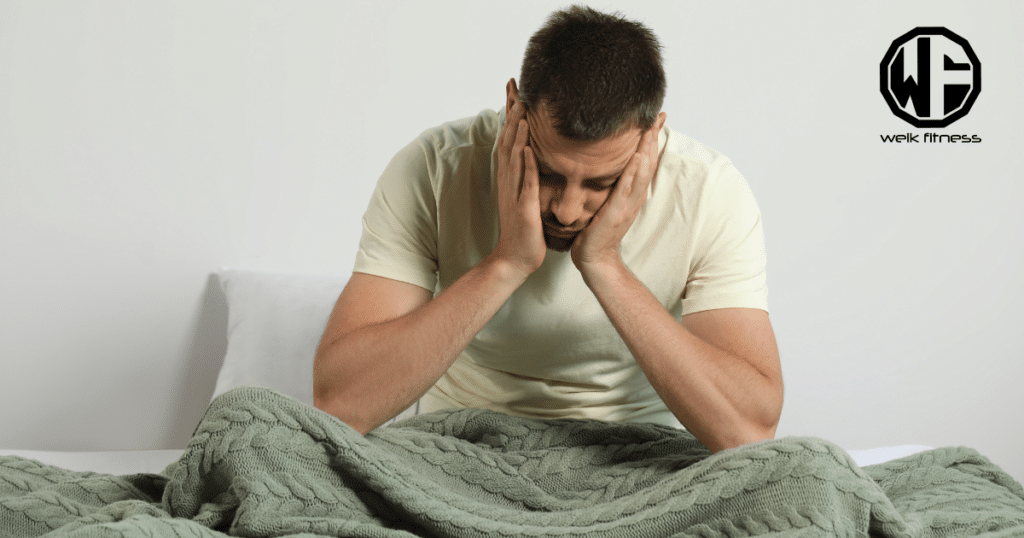
Being sleep deprived means you are not getting the amount of sleep your body needs to function optimally. This deficit can harm your physical health, cognitive abilities, and emotional balance. Understanding the components of sleep deprivation is the first step toward fixing it.
Sleep Deprived Definition
Sleep deprivation happens when you consistently get less sleep than your body requires. The National Sleep Foundation and CDC provide clear guidelines based on age:
- Adults: 7-9 hours per night
- Teenagers: 8-10 hours per night
- Children: 9-12 hours per night
- Toddlers and infants: 12-16 hours per night
Causes of Sleep Deprivation
The reasons for poor sleep are often complex and interconnected. They can range from voluntary choices to serious medical issues.
- Lifestyle Factors: High-pressure jobs, demanding social lives, and parenting duties often cut into sleep time. A newer trend, “revenge bedtime procrastination,” involves sacrificing sleep for personal free time, which is particularly common among those with stressful daytime schedules.
- Medical Conditions: Conditions like obstructive sleep apnea (OSA), which affects an estimated 22 million Americans, cause repeated breathing interruptions during sleep. Restless legs syndrome and chronic insomnia are other major contributors.
- Mental Health Issues: Anxiety and depression are strongly linked to sleep problems. Stress elevates cortisol levels, a hormone that promotes alertness, making it difficult to fall and stay asleep.
- Environmental Factors: A bedroom that is too bright, noisy, or warm can disrupt sleep. According to sleep experts, the ideal temperature for sleep is between 65 and 68 degrees Fahrenheit (18-20°C).
- Substance Use: Caffeine can stay in your system for up to 10 hours. Alcohol, while it may induce drowsiness, disrupts the sleep cycle later in the night, preventing deep, restorative sleep.
Symptoms of Sleep Deprivation
The signs of being sleep deprived go far beyond just feeling tired. They manifest physically, mentally, and emotionally.
- Physical: Constant yawning, fatigue, and muscle weakness are classic signs. A weakened immune system is also a major symptom, making you more susceptible to colds and infections.
- Cognitive: Difficulty concentrating, poor memory, and reduced problem-solving skills are common. Severe deprivation can lead to “microsleeps,” which are brief, involuntary episodes of sleep that can be extremely dangerous when driving.
- Emotional: You may experience heightened irritability, mood swings, and an inability to cope with stress.
- Behavioral: Reduced productivity at work or school, poor decision-making, and an increased risk of accidents are all linked to insufficient sleep.

Short-Term Effects of Being Sleep Deprived
The immediate consequences of a single night of poor sleep can be significant. Research from the AAA Foundation for Traffic Safety highlights these dangers clearly. Their studies show that driving after sleeping for only 5-6 hours nearly doubles your risk of a crash.
Losing just one or two hours of sleep can impair your cognitive performance as much as if you had not slept for a day or two. This affects your judgment, mood, and reaction time in everything you do.
Long-Term Effects of Being Sleep Deprived
Chronic sleep deprivation is not something to take lightly. It is linked to a host of severe health problems that can impact your quality of life and longevity.
- Physical Health Issues: The American Heart Association added sleep duration as one of its “Life’s Essential 8” metrics for cardiovascular health in 2022. Consistent lack of sleep is linked to a higher risk of hypertension, heart disease, stroke, type 2 diabetes, and obesity.
- Mental Health Issues: Long-term sleep deprivation can exacerbate or even trigger conditions like anxiety disorders and major depression.
- Cognitive Decline: During deep sleep, the brain clears out toxins like beta-amyloid, a protein linked to Alzheimer’s disease. Multiple studies have suggested a strong link between chronic poor sleep and a higher risk of developing dementia later in life.
Sleep Deprivation Management and Prevention
You can regain control of your sleep schedule. It starts with building better habits, known as “sleep hygiene,” and seeking professional help when needed.
- Improve Sleep Hygiene: Go to bed and wake up at the same time every day, even on weekends. Make your bedroom a sanctuary for sleep by keeping it dark, quiet, and cool. Avoid screens for at least an hour before bed, as the blue light can suppress melatonin production.
- Adopt Lifestyle Changes: Get regular exercise, but avoid intense workouts close to bedtime. Limit caffeine intake after 2 p.m. and avoid alcohol before sleep. Manage stress with techniques like meditation or the “4-7-8 breathing method” developed by Dr. Andrew Weil.
- Consider Medical Interventions: If you suspect a sleep disorder, talk to your doctor. They may recommend a sleep study or prescribe medication.
- Explore Cognitive Behavioral Therapy for Insomnia (CBT-I): This is a highly effective, drug-free treatment for chronic insomnia. CBT-I focuses on changing the thoughts and behaviors that disrupt sleep. Digital programs like Sleepio and Somryst have made this therapy more accessible, with studies showing success rates of up to 80%.
Could GABA Supplements Help the Sleep Deprived?
Many people who have trouble falling asleep at night turn to supplements for help. If you toss and turn for hours, you might be curious about options that can help you finally get some rest.
The global sleep aid category is massive and continues to grow, with market researchers like Grand View Research projecting it to exceed $125 billion by 2030. One supplement that has gained attention is GABA, or gamma-aminobutyric acid.
A 2016 study published in Food Science and Biotechnology explored the effects of GABA on participants with sleep disorders. The researchers found that GABA was absorbed quickly, within 30 minutes. The results showed that taking GABA helped shorten sleep latency, which is the time it takes to fall asleep. It also increased the amount of time spent in deep non-REM sleep.
Participants noted that when they supplemented with GABA at night, they actually woke up more refreshed compared to not supplementing with GABA.
As a supplement nerd, I always look beyond one study. More recent research, including a 2020 systematic review in *Frontiers in Neuroscience*, has continued to find that GABA supplementation can have a positive effect on sleep. While promising, it is important to know that the study mentioned was conducted by a company that manufactures a GABA product. Always consider the source of research.
Other Supplements for Sleep Support
GABA is not the only option. Many of my clients have asked about other popular sleep aids. Here’s a quick comparison:
| Supplement | How It Works | Typical Dose |
|---|---|---|
| GABA | Acts as an inhibitory neurotransmitter, helping to calm the nervous system. | 100-300 mg |
| Magnesium Glycinate | Binds to GABA receptors and helps regulate melatonin. The “glycinate” form is well-absorbed and less likely to cause digestive issues. | 200-400 mg |
| L-Theanine | An amino acid found in green tea that promotes relaxation without sedation by increasing alpha brain waves. | 100-200 mg |
Before trying any new supplement, including GABA, it is vital to speak with your doctor to ensure it is safe for you and won’t interact with other medications.
FAQs About Being Sleep Deprived
How long does it take for GABA to make you sleepy?
Research suggests that GABA is absorbed by the body relatively quickly. In some studies, its effects were observed within 30 to 60 minutes of ingestion, helping to reduce the time it takes to fall asleep.
Can you take GABA supplements every night?
While some studies have looked at daily use for short periods, the long-term effects of taking GABA every night are not well-established. It is best to consult with a healthcare professional to determine if it is appropriate for you and to discuss the right dosage and duration.
What’s the difference between GABA and melatonin?
GABA and melatonin both promote sleep but work differently. GABA is a calming neurotransmitter that reduces brain activity. Melatonin is a hormone your body produces in response to darkness that regulates your sleep-wake cycle, or circadian rhythm. Melatonin signals to your body that it’s time to sleep, while GABA helps to quiet the mind to allow sleep to happen.
Source: Food Science and Biotechnology Volume 25, Issue 2, pp 547-551 “Effect of oral gamma-aminobutyric acid (GABA) administration on sleep and its absorption in humans”Authors: A. Yamatsu et al.


*Disclosure: This article may contain affiliate links or ads, which means we earn a small commission at no extra cost to you if you make a purchase through these links. These commissions help support the operation and maintenance of our website, allowing us to continue producing free valuable content. Your support is genuinely appreciated, whether you choose to use our links or not. Thank you for being a part of our community and enjoying our content.
PLEASE CONSIDER SHARING THIS ON YOUR SOCIAL MEDIA TO HELP OTHERS LEARN MORE ABOUT THIS TOPIC.